사물·건축 키 비교
일상용품, 차량, 가구, 운동기구, 구조물 등의 실제 크기를 비교하여 실물 감각을 느껴보세요.
비교 캔버스
3 ItemsAccurate, proportional visual comparison for humans and animals on an aligned baseline.
Comparison Summary
Overview of all active comparison items
| Name | Category | Type / Details | Height (Imperial) | Height (Metric) | Relative Diff |
|---|
How 사물·건축 Heights Are Measured
Reference Anchor: Ground / floor to highest rigid structural plane
Objects are measured from their level resting surface, usually the floor or the pavement, straight up to their highest rigid point, which means the top of a chair's backrest, a refrigerator's top hinge, or a car's roofline, but not a soft or adjustable extra such as an antenna or a raised headrest. Standard dimensions describe a common manufactured size rather than a law of nature, so a "standard door" is 80 inches (203 cm) of door slab in the United States but is commonly sold as a 210 cm frame opening elsewhere, and the same door can measure differently depending on whether the frame is included. Always state which point was measured, because two honest measurements of the same object can differ by several centimeters when one includes trim, hinges, or roof rails and the other does not.
Common Reference Heights in 사물·건축
| Subject / Benchmark | Metric Height | Imperial Height | Context & Measurement Note |
|---|---|---|---|
| Dining Table | 75 cm | 2'6" | Floor to tabletop surface |
| Washing Machine | 85 cm | 2'9" | Floor to top panel, standard front-loader |
| Sofa | 85 cm | 2'9" | Floor to top of backrest cushions |
| Dining Chair | 90 cm | 2'11" | Floor to top of backrest |
| Bicycle | 105 cm | 3'5" | Ground to top of handlebars |
| Motorcycle | 115 cm | 3'9" | Ground to handlebars or windshield top |
| Sedan Car | 145 cm | 4'9" | Pavement to roof apex |
| Floor Lamp | 160 cm | 5'3" | Floor to top of lampshade or finial |
| Refrigerator | 175 cm | 5'9" | Floor to top door hinge |
| Bookshelf | 180 cm | 5'11" | Floor to top shelf or crown |
| Pickup Truck | 190 cm | 6'3" | Ground to top of cab roof |
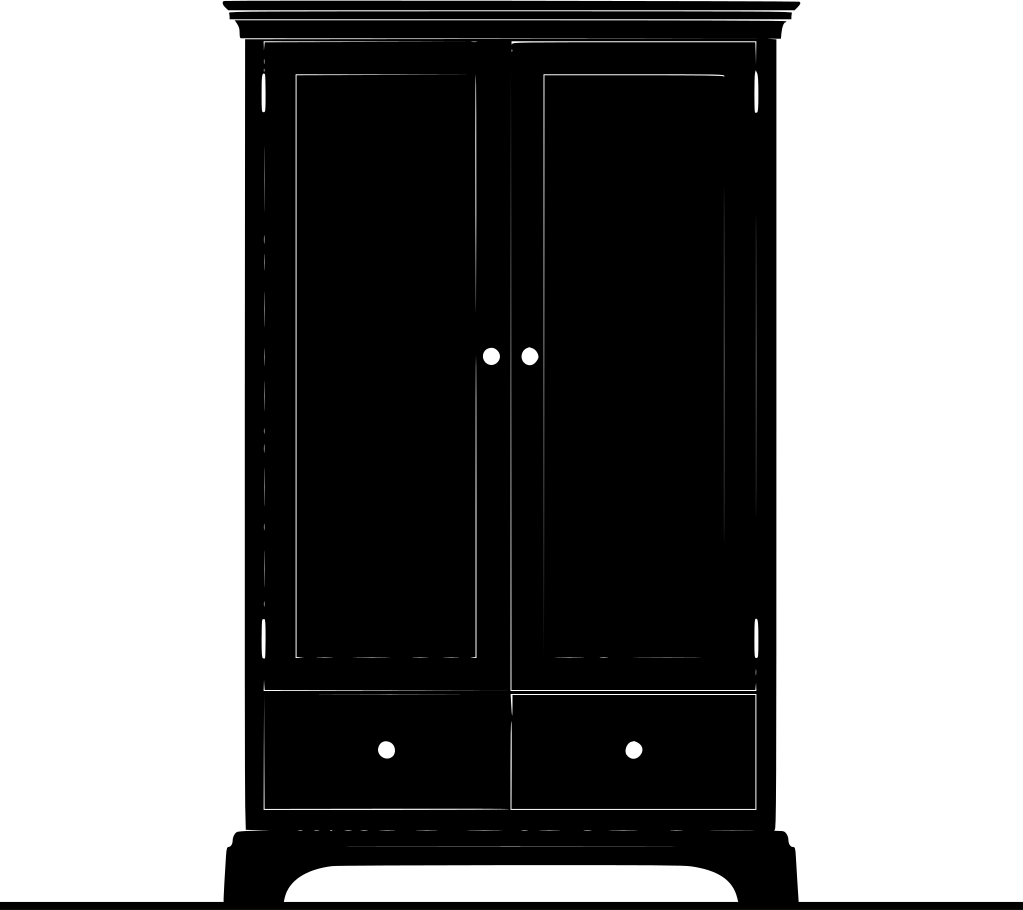
| Wardrobe | 200 cm | 6'7" | Floor to top of cabinet |
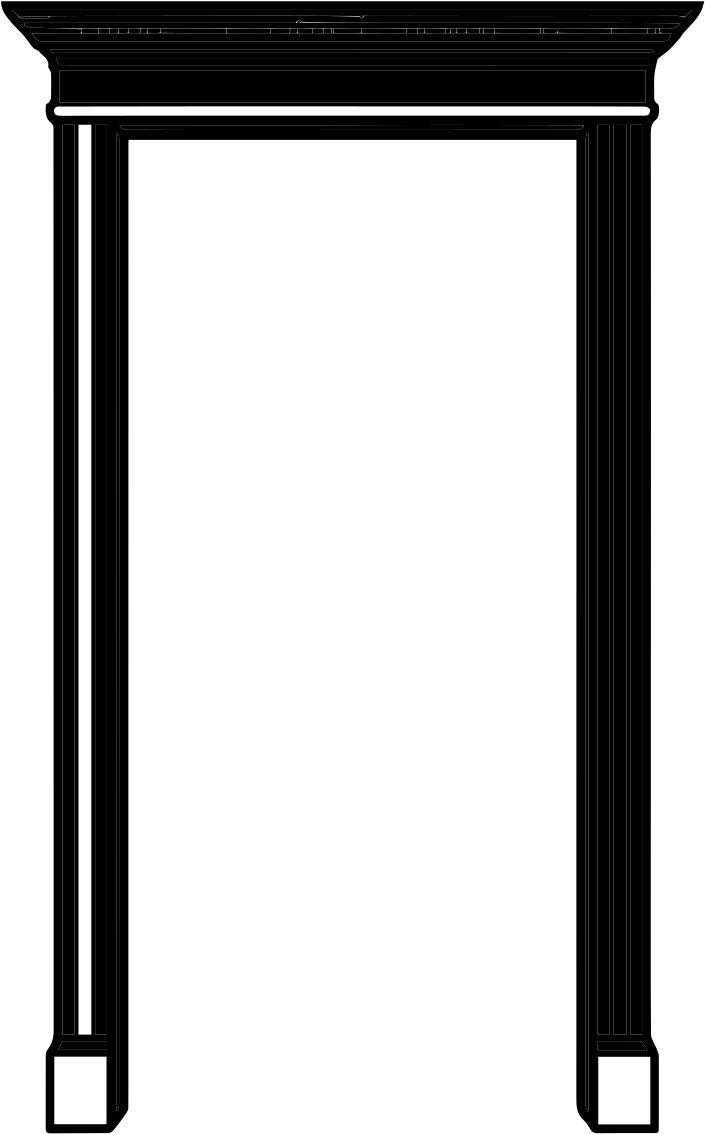
| Standard Door | 210 cm | 6'11" | Floor to top of frame opening |
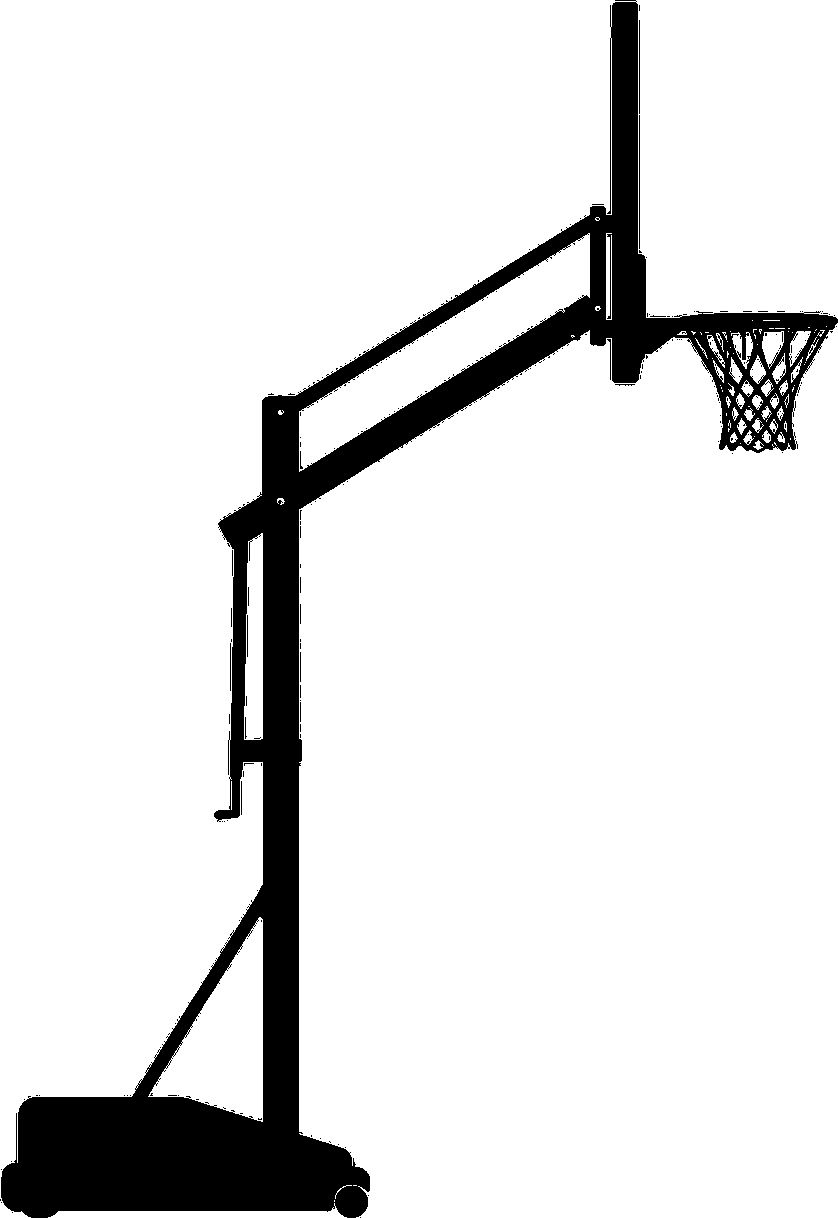
| Basketball Hoop | 305 cm | 10'0" | Court floor to rim surface, regulation |
| City Bus | 320 cm | 10'6" | Road surface to roof deck |
Understanding 사물·건축 Heights
Why everyday objects are the best ruler you already own
People struggle to picture a number like 175 cm in isolation, but they instantly understand a door they walk through every day, a car they drive, and a chair they sit on. That is what makes objects the most useful category on a height comparison tool: the references are already installed in the reader's memory, and the chart only has to arrange them on a common baseline. A human figure beside a 210 cm door frame reads immediately, because everyone knows the feeling of a door that clears their head by a hand's breadth or forces them to duck.
Objects also anchor the rest of the scale. Once you know that a sedan roof sits at about 145 cm, roughly chest height on an adult, you can judge every vehicle on the road against it. Once you know a basketball rim is fixed at 305 cm, you can picture exactly how far above a player's head it hangs. These are not abstract measurements but physical facts that people have bumped into, reached for, and ducked under, which is why they make better mental rulers than any number alone.
How object measurement works, and why two honest numbers can disagree
Measuring an object sounds simple until you decide which point counts as the top. A chair has a seat at roughly 45 cm and a backrest at roughly 90 cm, and both are real heights of the same chair, but only the backrest is its overall height. A refrigerator's body may end at 170 cm while its top hinge reaches 175 cm. A car measured to the roof panel and the same car measured to its roof rails differ by a few centimeters. None of these disagreements mean anyone is wrong; they mean the measurement point was not stated.
The tool follows one rule to keep comparisons honest: floor to highest rigid point, excluding soft, temporary, or optional extras. An antenna does not count, a raised headrest does not count, and a roof box does not count, because those can be added, removed, or adjusted without changing the object itself. Stating the rule matters more than the rule itself, because once the rule is known, anyone can reproduce the measurement with a tape measure and a flat floor, and that reproducibility is what separates a useful reference from a guess.
Standards, and why they vary by country and era
Some object heights are true global constants. A basketball rim is 305 cm on every court in every country, because the sport's rules fixed it and never changed it. Most others are conventions that drift across borders and decades. Door heights are the classic example: the familiar 80-inch American interior door is 203 cm of slab, while many European and Asian markets build around a 210 cm opening, and older houses often have doors shorter than either. Furniture follows the same pattern, with desk heights settling around 75 cm because that suits the average seated elbow, while dining tables vary with style and era.
Vehicles show the same drift in a different direction. A sedan from twenty years ago typically stood lower than a modern one, and the rise of SUVs has pushed the average car roof from around 145 cm toward 170 cm or more. That is why the chart uses typical current values rather than pretending a single number covers all cars ever made. If your car is older or taller than typical, measuring it and entering a custom height takes seconds and is always more accurate than trusting a generic figure.
Common misconceptions, and how to use the tool well
The most common mistake is comparing the wrong points: judging a person against a chair's seat instead of its backrest, or against a car's window line instead of its roof. The chart prevents this by drawing every object to its overall height, so the top of each drawing is the measurement point. Another frequent surprise is how tall ordinary things turn out to be: a refrigerator at 175 cm is exactly average human height, which is why it dominates a kitchen, and a city bus at 320 cm is nearly twice a person, which is why stepping off one feels like descending a small cliff.
To use the tool well, start with objects from your own home. Put a human figure beside a door, then add your car, then your refrigerator, and watch how the familiar world stacks up. Then add something outside daily life, such as a bus or a basketball rim, to stretch the scale upward. If a figure looks wrong, measure the real object before doubting the chart: nine times out of ten, the surprise is real, and the object genuinely is that tall.
Verified 사물·건축 Catalog
Accurately scaled vector and raster figures ready for side-by-side comparison.
Basketball Hoop

ATM Machine

Automatic Ticket Vending Machine

Bench

Bookcase

Bus Stop Sign

Chandelier

Christmas Tree

Coat Rack
Crane Machine

Desk Lamp

Dishwasher
Doorframe
Double Door Wardrobe

Drum Set

Dryer

Electric Vehicle Charging Pile
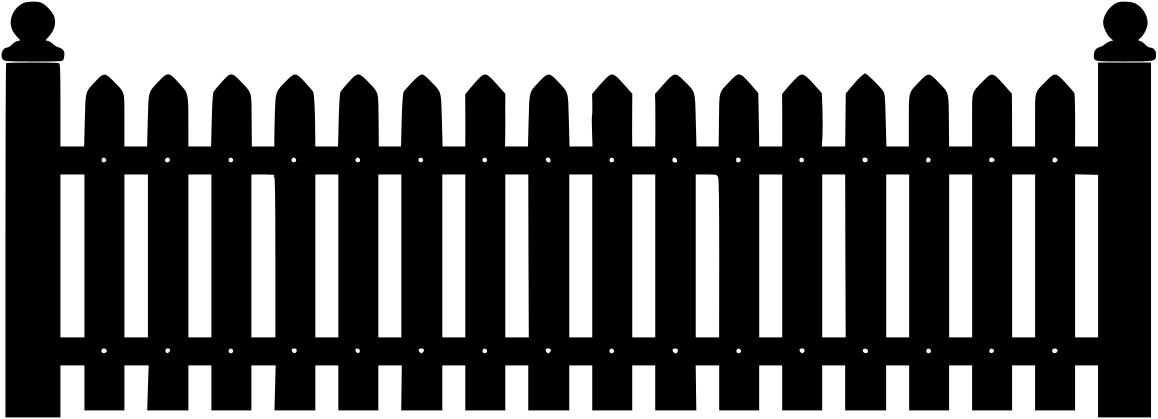
Fence

Fire Hydrant

Fitness Sandbag

Flatbed Trolley

Floor Lamp
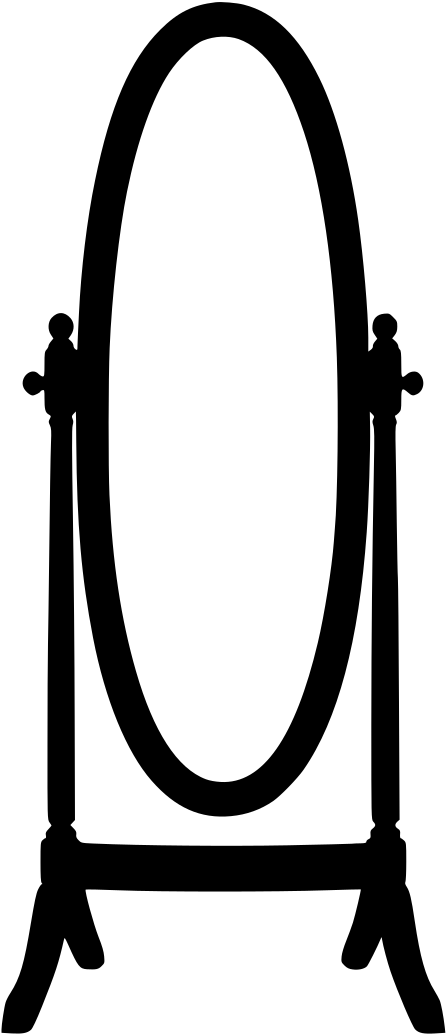
Floor Mirror

Golf Bag

Grandfather Clock

Guitar

Knife


Mailbox

Micro-wave Oven
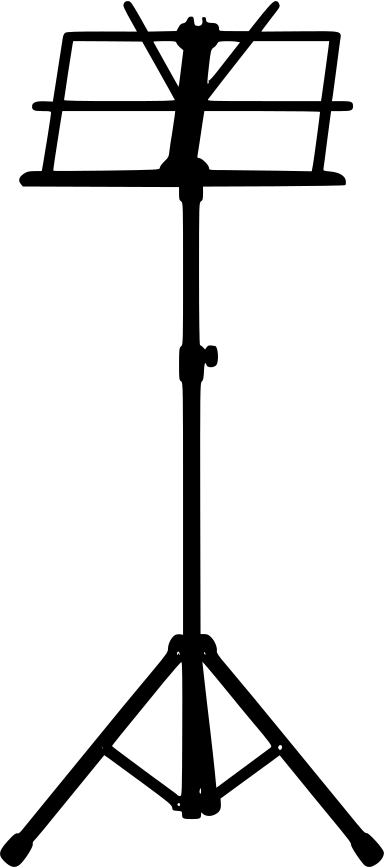
Music Stand

Oil Dispenser
Popular 사물·건축 Comparisons
Compare these figures side-by-side with mathematically aligned scale.
Amitabh Bachchan vs Aamir Khan
Compare the dramatic height difference between Indian cinema legend Amitabh Bachchan (188 cm / 6'2") and Aamir Khan (165 cm / 5'5") on a shared floor baseline.
Dwayne Johnson vs Horse
Visual comparison between Dwayne "The Rock" Johnson (196 cm / 6'5") and a standard riding horse (160 cm at withers).
Average Adult Male vs Elephant
Compare a massive African bush elephant (320 cm shoulder height) with an average adult human (176 cm). Experience true megafauna proportions on scale.
Average Adult Male vs Sedan / Hatchback Car
Visual height comparison between an average adult human (176 cm) and a standard passenger sedan/crossover car (150 cm roofline).
Average Adult Male vs Dog
See how an average adult human (176 cm) compares visually to a standard domestic dog (60 cm withers) on a shared floor baseline with accurate proportions.
Average Adult Male vs Standard Door
Compare an average adult human (176 cm / 5'9") against a standard interior residential door frame (210 cm / 6'11") on a true architectural baseline.
Explore Related Categories
Discover complementary categories to expand your height perspective.
사물·건축 Height Comparison FAQ
Common questions and reference measurement data.
Why does a "standard door" have more than one height?
Because the number depends on country and on what exactly is being measured. In the United States the common interior door slab is 80 inches, which is 203 cm, while the frame opening it sits in is often around 210 cm, and European doors are commonly sold at 210 cm. The tool uses 210 cm for the frame opening because that is the height a person actually walks through, but if your own door measures 203 cm, enter that as a custom height for an exact comparison.
Is a car's height measured to the roof or to the roof rails?
To the highest rigid point of the roof, which for most cars is the roof panel itself, but roof rails or a roof box can add several centimeters and are sometimes included in manufacturer figures. That is why one source may list a sedan at 145 cm and another at 148 cm: the car is the same, but one figure includes the rails. The tool uses the roof apex without accessories, so a car with a roof box will stand slightly taller in real life than on the chart.
Why is a basketball hoop exactly 10 feet high everywhere?
The rim height of 10 feet, or 305 cm, was fixed when the game was invented and has never changed, and every major league in the world uses the same figure. It is one of the few object heights that is a genuine global constant rather than a manufacturing convention, which makes it an unusually reliable reference point. If you can touch the rim, you can reach 305 cm, and comparing yourself to that line instantly tells you how far above your head it sits.
How do I compare my own furniture if it is not a standard size?
Measure it the same way the tool does: put it on a flat floor, hold a tape vertically from the floor to the highest rigid point, and read the number in centimeters. A chair is measured to the top of its backrest, not its seat, and a bookshelf to its top edge, not its tallest book. Enter that number as a custom height and the chart will place your exact piece of furniture beside a human figure.
Why does a two-story building not equal twice a one-story house?
Because a building's height includes floor slabs, roof structure, and parapets, not just two stacks of room height, and ceiling heights vary by era and purpose. A single-story house at 450 cm to its roof ridge and a two-story building at 600 cm to its parapet are typical values, but an old house with tall ceilings can rival a modern two-story block. The chart's building figures are representative, not architectural drawings, so use them for scale intuition rather than construction planning.