애니메이션 키 비교
애니메이션과 만화 캐릭터의 공식 설정 키를 나란히 비교하세요. 인기 작품 속 등장인물들의 실제 크기 차이를 실감나게 느껴보세요.
비교 캔버스
3 ItemsAccurate, proportional visual comparison for humans and animals on an aligned baseline.
Comparison Summary
Overview of all active comparison items
| Name | Category | Type / Details | Height (Imperial) | Height (Metric) | Relative Diff |
|---|
How 애니메이션 Heights Are Measured
Reference Anchor: Official Databook Standing Stature
Anime character heights come from official franchise databooks, manga author notes, and character design sheets published by the rights holders, not from screenshots or fan estimates. Because long-running series follow their casts for years, a single character often has more than one official height: early-series, post-timeskip, and adult figures can all be correct for different points in the story. Fan wikis disagree with each other mainly because they mix these eras, round conversions differently, or repeat outdated guidebook editions, so every figure on this page is tied to a specific version of the character.
Common Reference Heights in 애니메이션
| Subject / Benchmark | Metric Height | Imperial Height | Context & Measurement Note |
|---|---|---|---|
| Edward Elric | 149 cm | 4'11" | Fullmetal Alchemist, early series; grows to about 165 cm by the series end |
| Levi Ackerman | 160 cm | 5'3" | Attack on Titan, official guidebooks supervised by Hajime Isayama |
| Tanjiro Kamado | 165 cm | 5'5" | Demon Slayer, age 15 after joining the Corps; 156 cm at age 13 |
| Yuji Itadori | 173 cm | 5'8" | Jujutsu Kaisen, official fanbook |
| Monkey D. Luffy | 174 cm | 5'8.5" | One Piece, post-timeskip; 172 cm before the timeskip |
| Ichigo Kurosaki | 174 cm | 5'8.5" | Bleach, teenage years; 181 cm as an adult |
| Son Goku | 175 cm | 5'9" | Dragon Ball Z / Super, adult |
| Naruto Uzumaki | 180 cm | 5'11" | Naruto, adult as 7th Hokage; 166 cm as a teenager in Shippuden |
| Roronoa Zoro | 181 cm | 5'11" | One Piece, post-timeskip; 178 cm before the timeskip |
| Eren Yeager | 183 cm | 6'0" | Attack on Titan, post-timeskip; 170 cm in the early seasons |
| Satoru Gojo | 190 cm | 6'3" | Jujutsu Kaisen, fanbook lists him as over 190 cm |
| All Might (Hero Form) | 220 cm | 7'2.6" | My Hero Academia, powered hero form; far shorter in his weakened form |
Understanding 애니메이션 Heights
Why anime heights are worth comparing
Anime is one of the few media where height is a deliberate storytelling tool rather than an accident of casting. A director cannot simply hire a taller actor, so when a character is drawn short or tall, that choice was made on a design sheet and approved by the creator. Levi Ackerman is 160 cm in a cast of soldiers who tower over him, and the story never lets the audience forget it: his lethality is startling precisely because his frame is small. All Might, at 220 cm in his hero form, is the opposite trick, a body drawn to fill a doorway so that his presence feels like a public monument before he ever speaks. Putting these figures side by side on a single baseline turns an impression you half-noticed while watching into a measurement you can actually see.
The range inside a single series is often wider than the range across real human populations. One Piece runs from Chopper-sized comic relief to giants several metres tall, and Attack on Titan places a 160 cm captain in the same army as 183 cm soldiers and Titans fifteen metres tall. A comparison canvas handles that spread better than any paragraph can, because it forces every figure onto the same ground line and the same scale. The moment you see Eren Yeager's post-timeskip 183 cm next to Levi's unchanged 160 cm, the four-year gap between them stops being trivia and becomes something you can feel.
Where the numbers come from, and why sources disagree
The reliable sources are printed, not crowdsourced. Shueisha, Kodansha, and other Japanese publishers release databooks and fanbooks in which each major character gets a profile block listing height, weight, birthday, and blood type. Attack on Titan's INSIDE and OUTSIDE guidebooks, supervised by Hajime Isayama, fix Levi at 160 cm and Eren's final height at 183 cm. Jujutsu Kaisen's official fanbook lists Gojo as over 190 cm, which is why careful tables quote 190 cm as a floor rather than an exact measurement. Demon Slayer's Corps records give Tanjiro as 165 cm at fifteen, with his 156 cm figure from age thirteen preserved in the same record, so both numbers are official and both belong to different birthdays.
Disagreement between websites usually has one of three causes, and none of them is a mystery once you know to look for it. The first is era mixing: a site that quotes teen Ichigo at 174 cm next to adult Naruto at 180 cm is comparing two different life stages without saying so. The second is conversion rounding: Japanese sources publish centimetres, and converting to feet and inches loses a fraction of an inch that different sites round in different directions, which is why 174 cm appears as both 5'8" and 5'8.5". The third is stale data: early fan translations of guidebooks circulated before official English editions, and some of those early numbers were simply wrong and never corrected. The fix is to demand an era label and a named source for every figure, which is the standard this page follows.
Extremes, growth, and the misconceptions they create
The most common misconception about anime heights is that a character's height is a fixed fact like a birth date. In practice it is a snapshot, and the snapshot's date matters more than most fans realise. Edward Elric begins Fullmetal Alchemist at 149 cm and ends it at about 165 cm, and his fury about being called short is a running joke precisely because he is still growing. Naruto's jump from 166 cm as a Shippuden teenager to 180 cm as Hokage is a full 14 cm of adult growth that a single-number table hides completely. Even Luffy's modest move from 172 cm to 174 cm across the timeskip tells you something about how Oda treats his cast: pirates age, and their official profiles age with them.
The other misconception is that short characters are drawn short by accident or by the limits of animation. The opposite is true. Short stature in anime is usually a considered design decision that signals youth, underdog status, or menace in a small package. Tanjiro at 165 cm is unremarkable among Demon Slayer's Hashira, several of whom clear 175 cm, and that ordinariness is the point: he is a normal boy holding his own against demons. Gojo at over 190 cm is the reverse, a mentor drawn to loom over his students so that his authority reads before he acts. When you line up a whole cast, the pattern becomes visible: height in anime is casting, done with a pen instead of a casting director.
How to get the most out of the comparison tool
The tool is most useful when you treat it as an experiment bench rather than a poster. Begin with a single character beside the average male figure of 175 cm, which is close to Goku's 175 cm and makes Goku a useful anchor: almost every other anime character can be described as taller or shorter than Goku. Then add a second character from the same series and the same era, for example post-timeskip Luffy at 174 cm beside post-timeskip Zoro at 181 cm, and the seven-centimetre gap between captain and swordsman becomes concrete. Finally, add an everyday object such as a doorframe at 245 cm or a car, and the fictional scale collides with the real world in a way that no episode screenshot can deliver.
Two habits make the results trustworthy. First, keep eras consistent: do not place teen Eren at 170 cm next to adult Naruto at 180 cm and conclude anything about their series, because you are comparing a fifteen-year-old with a grown man. Second, remember that hero forms and transformations are separate entries: All Might's 220 cm belongs to his powered form, and his weakened form would stand far lower on the same canvas. Used this way, the tool stops being a novelty and becomes the fastest way to settle the arguments anime fans actually have, which are rarely about who is stronger and very often about who is standing taller in the frame.
Verified 애니메이션 Catalog
Accurately scaled vector and raster figures ready for side-by-side comparison.
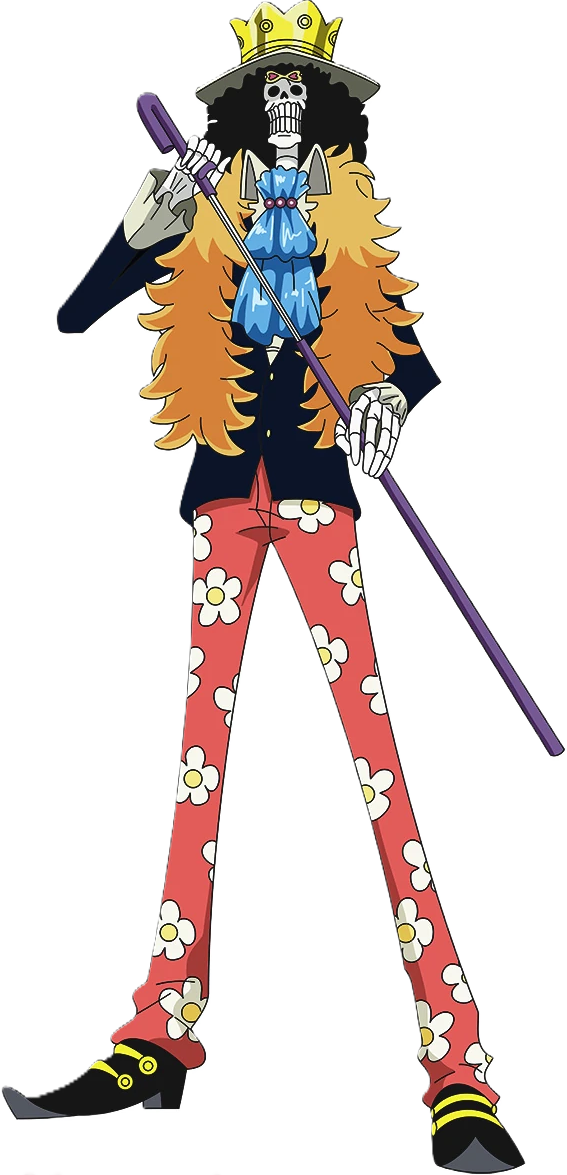
Brook
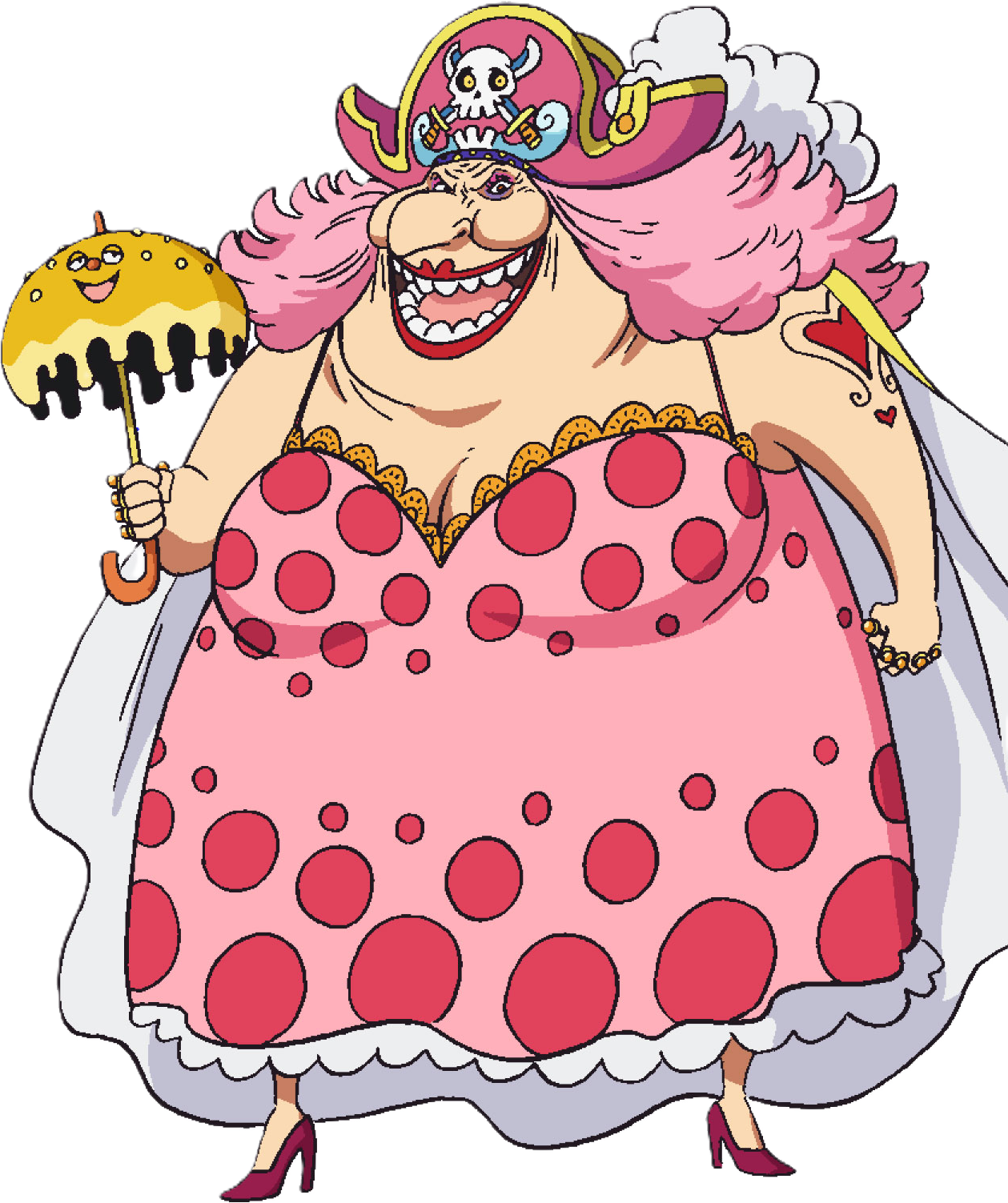
Charlotte Linlin Big Mom

Chopper
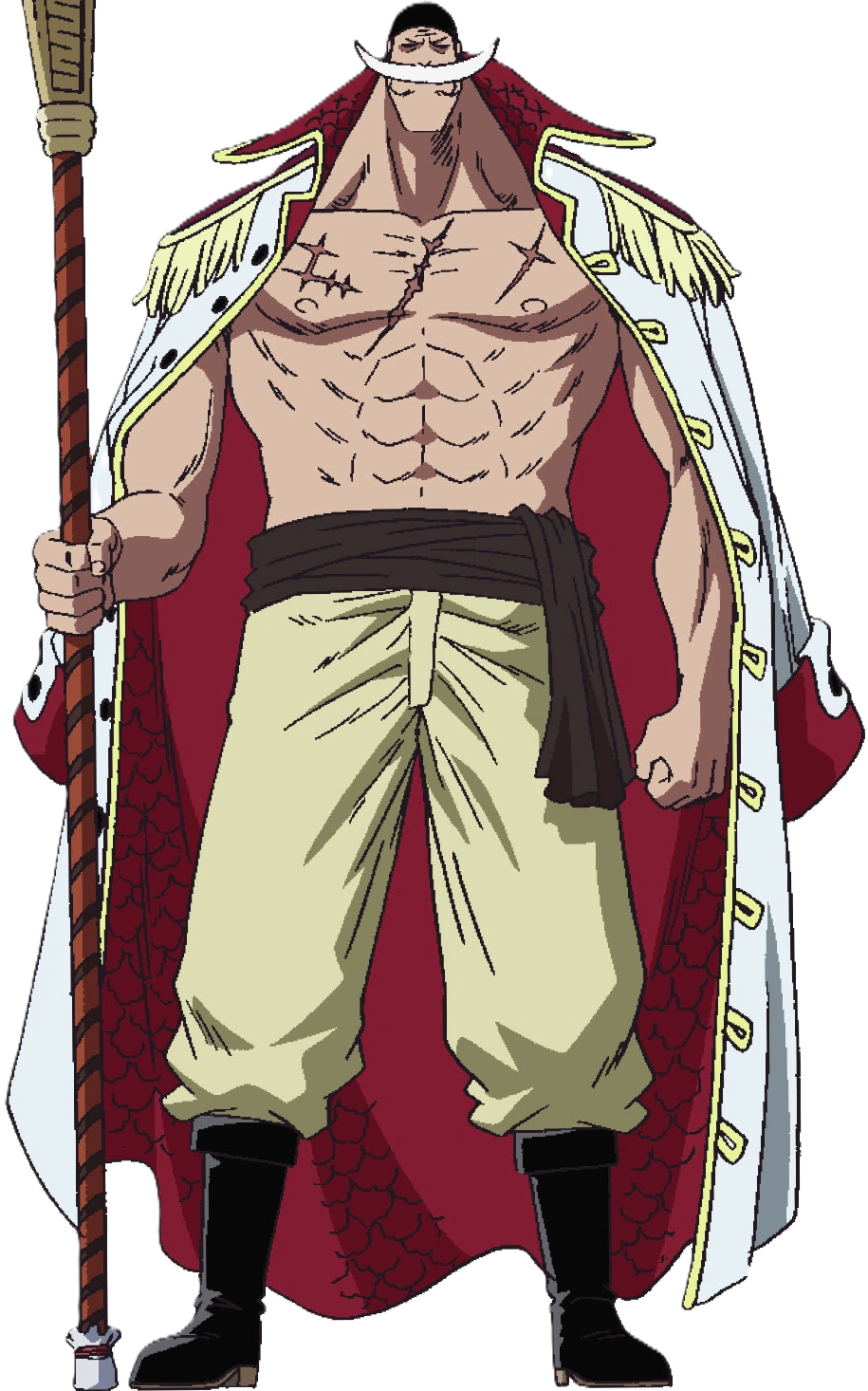
Edward Newgate Whitebeard
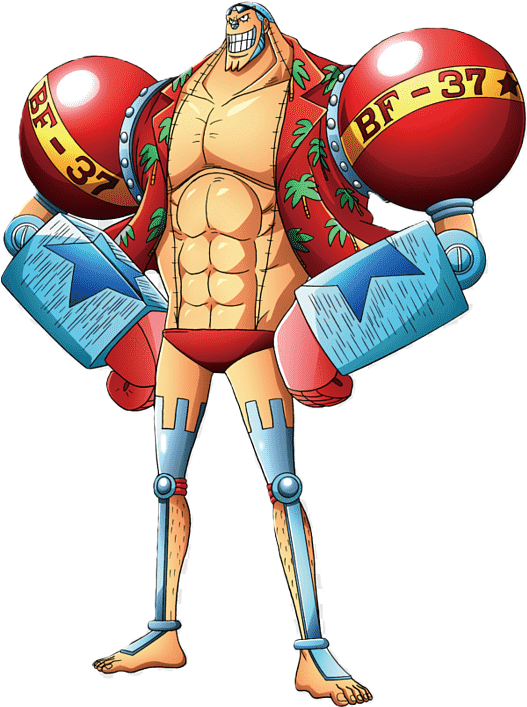
Franky
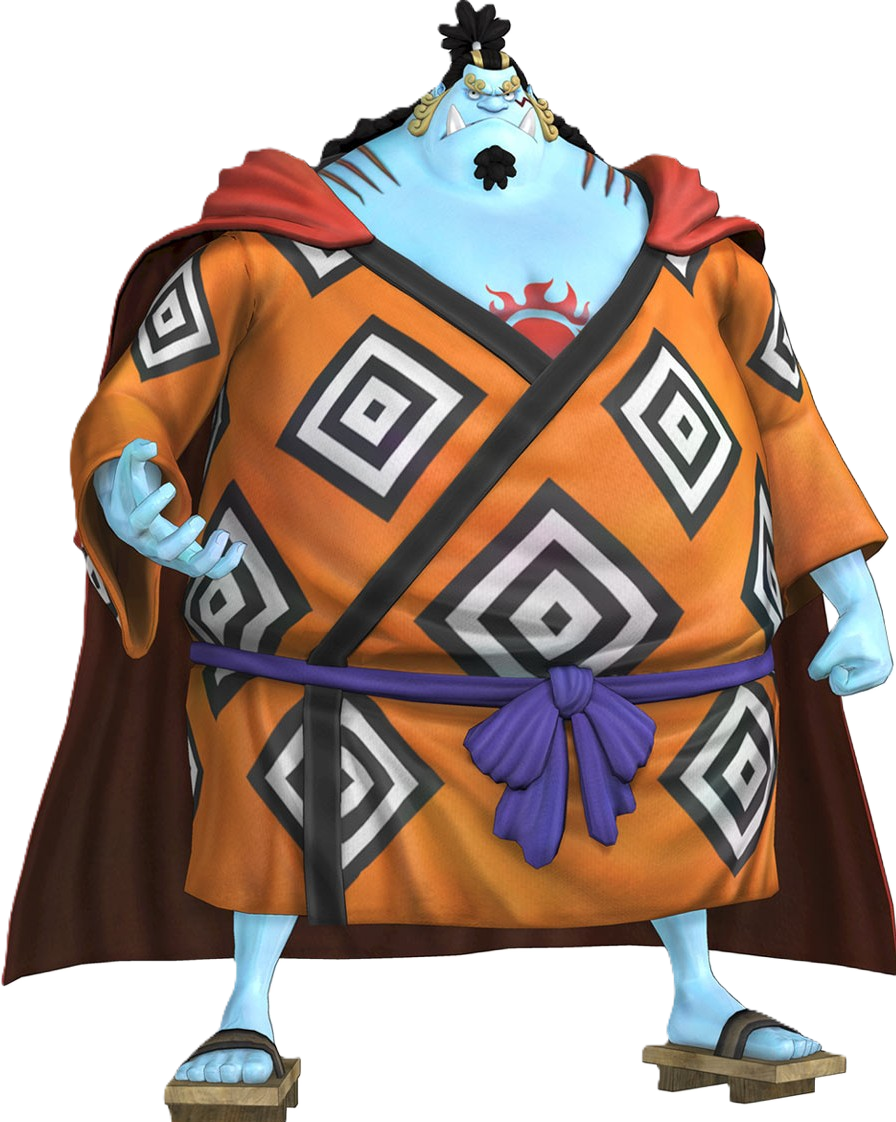
Jinbe
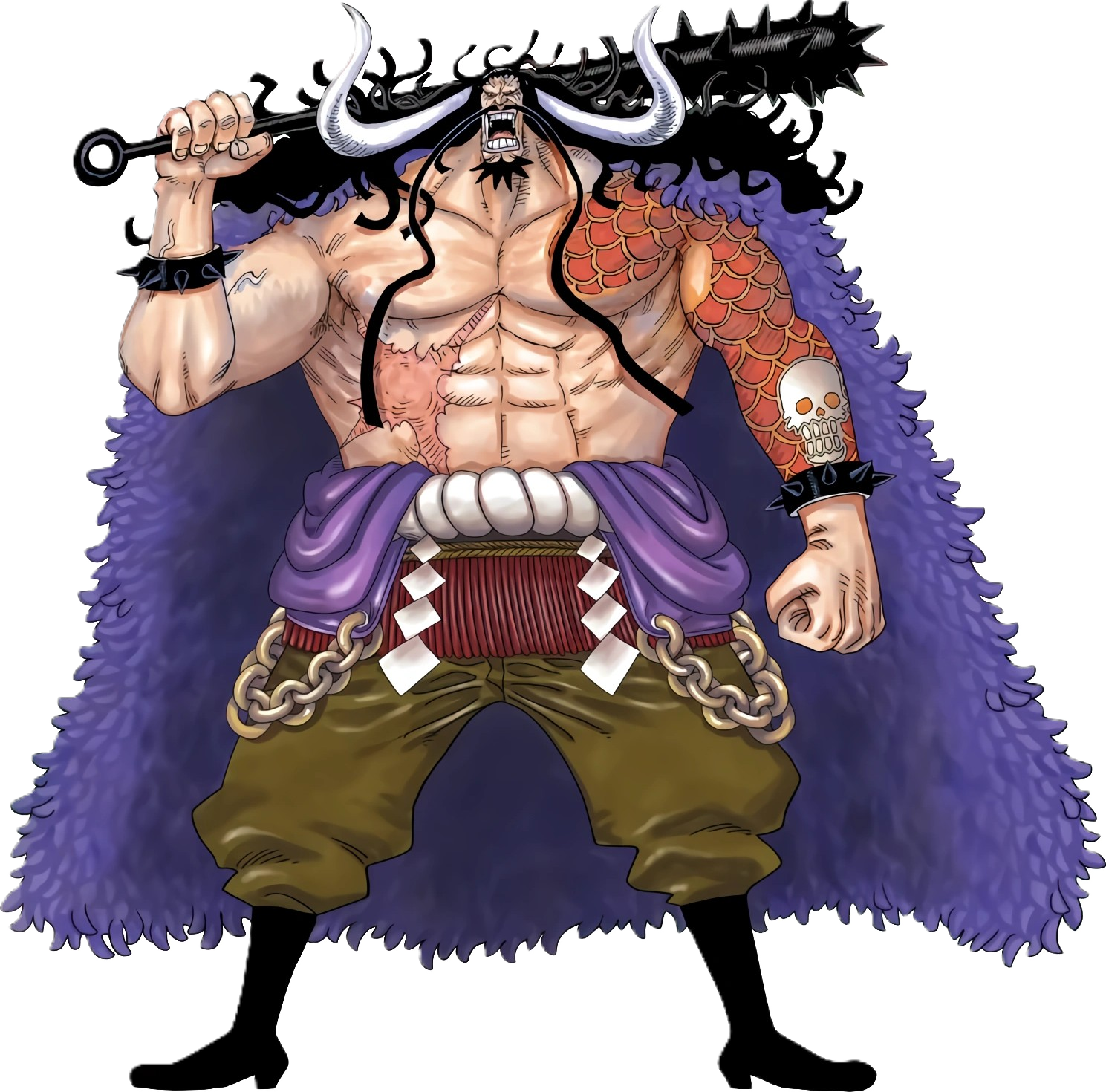
Kaido

Monkey D. Luffy
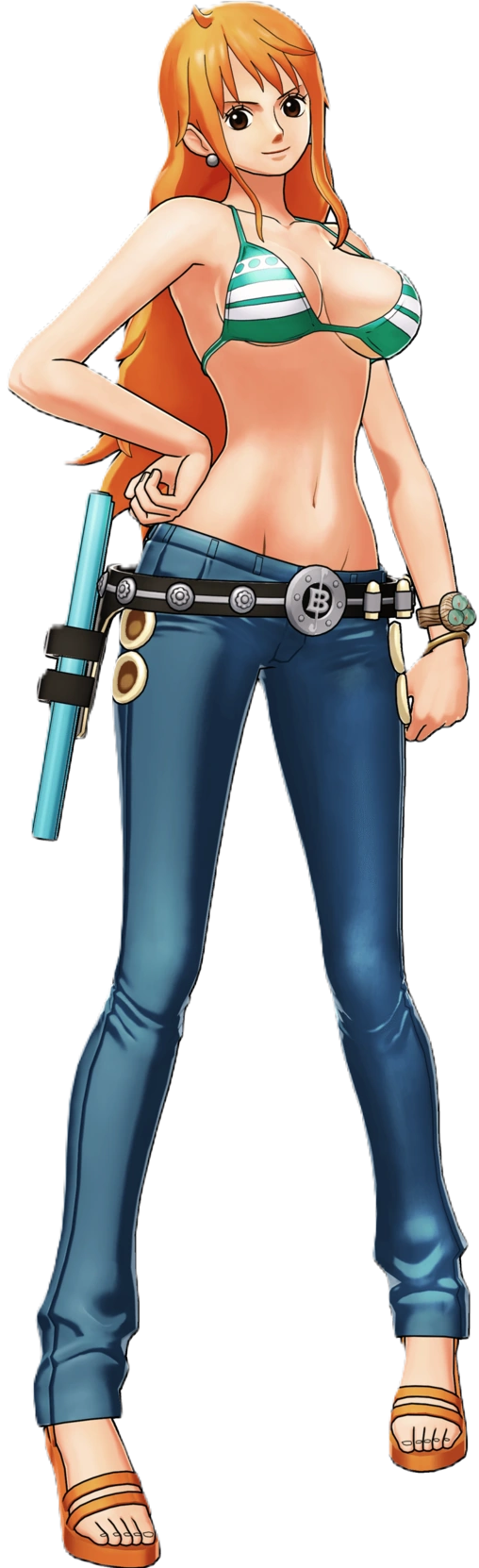
Nami
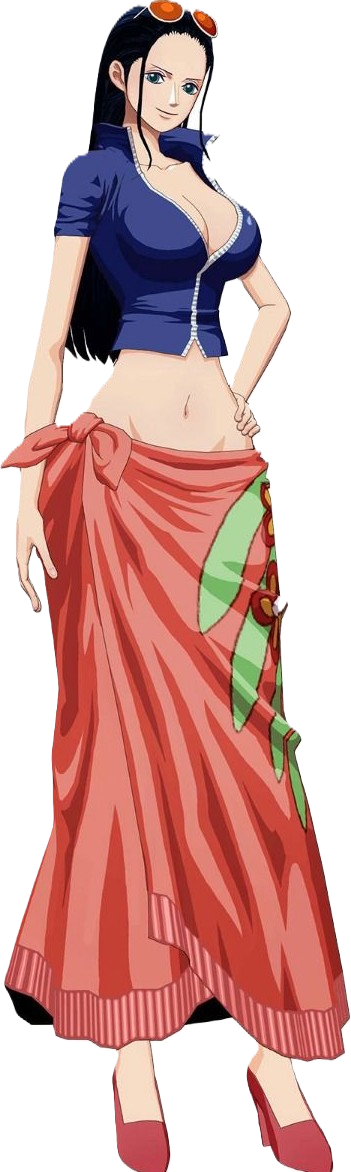
Nico Robin
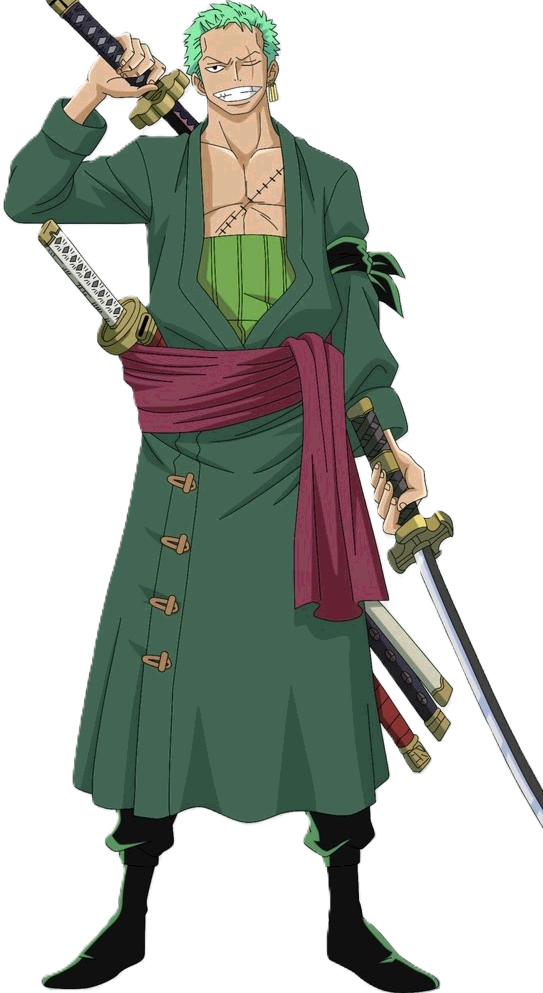
Roronoa Zoro

Sanji
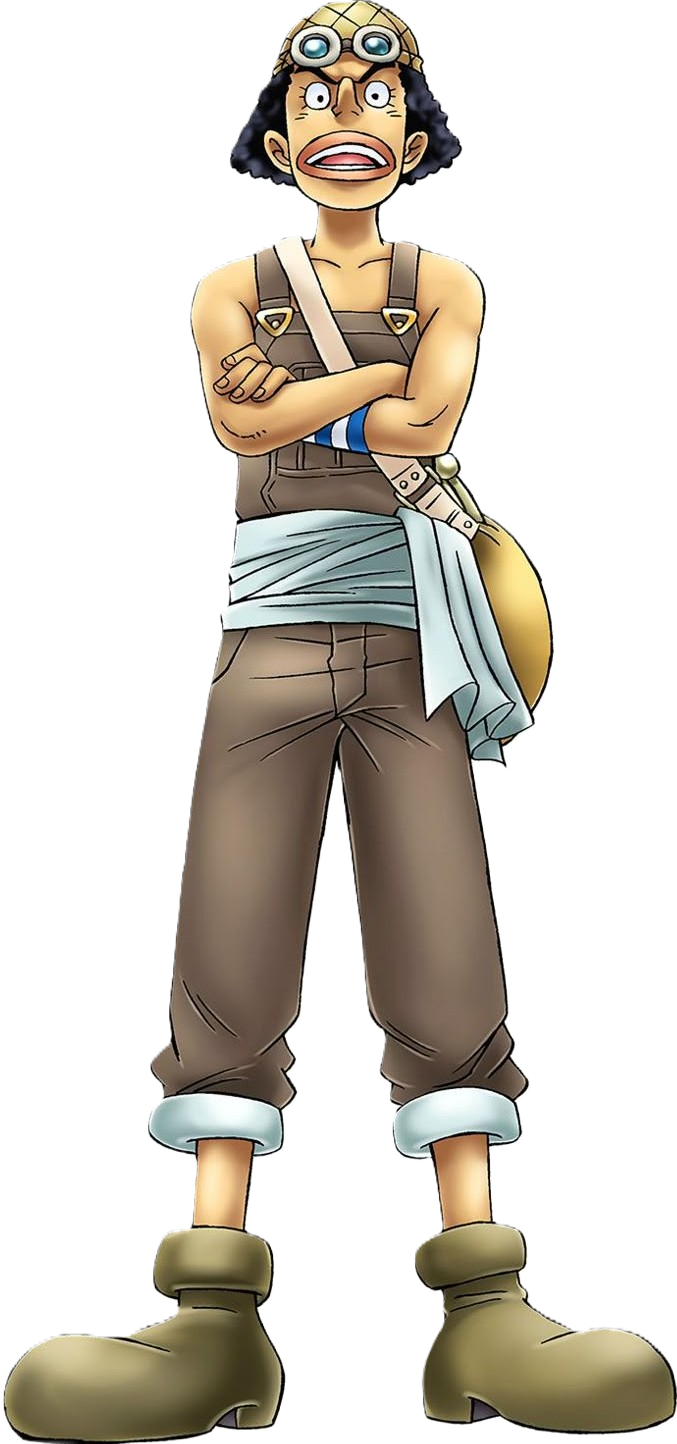
Usopp
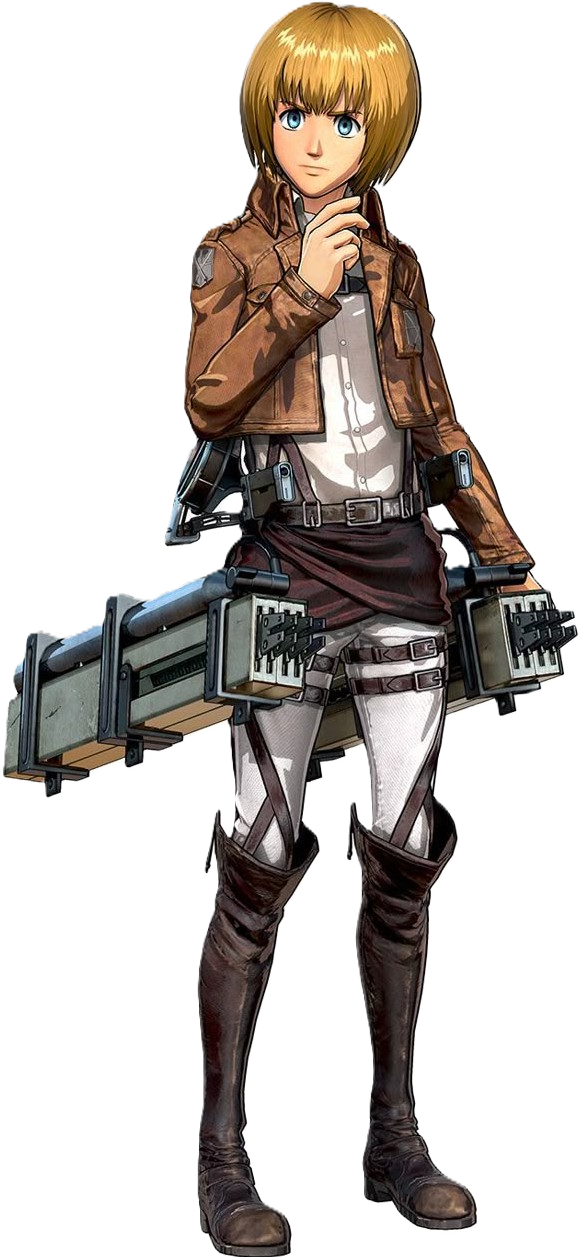
Armin Arlert
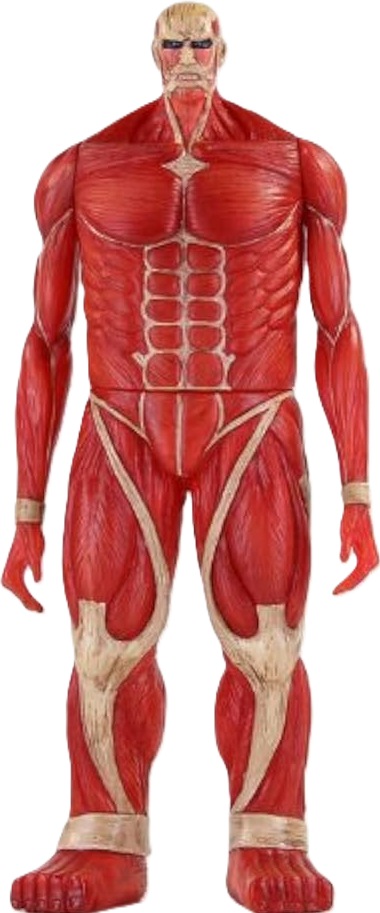
colossal titan
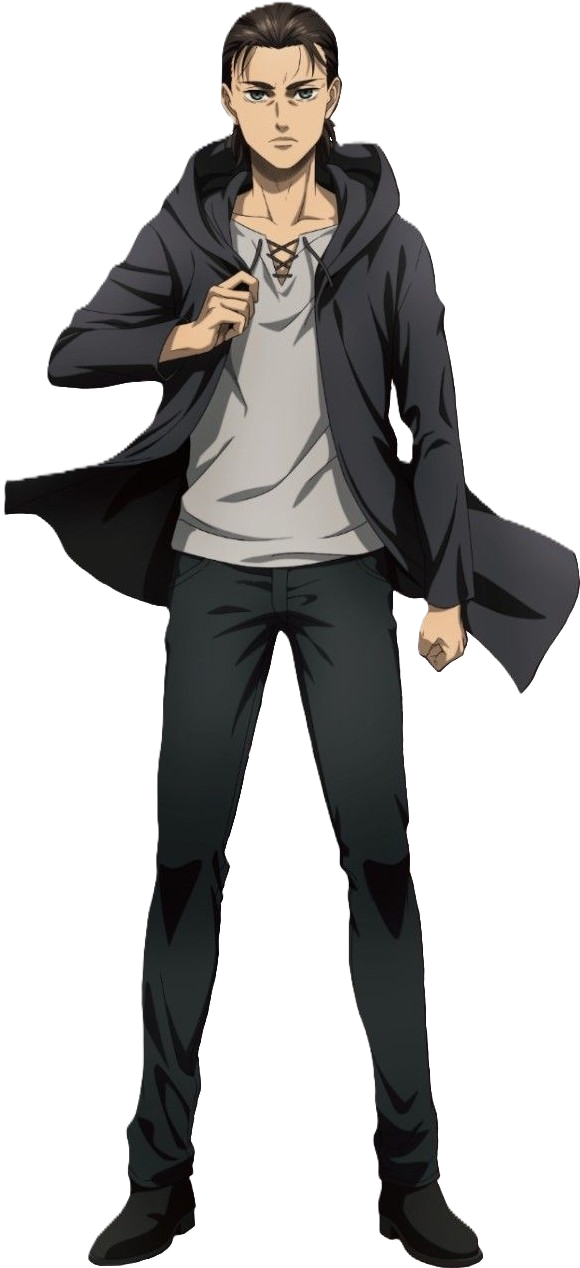
Eren Yeager
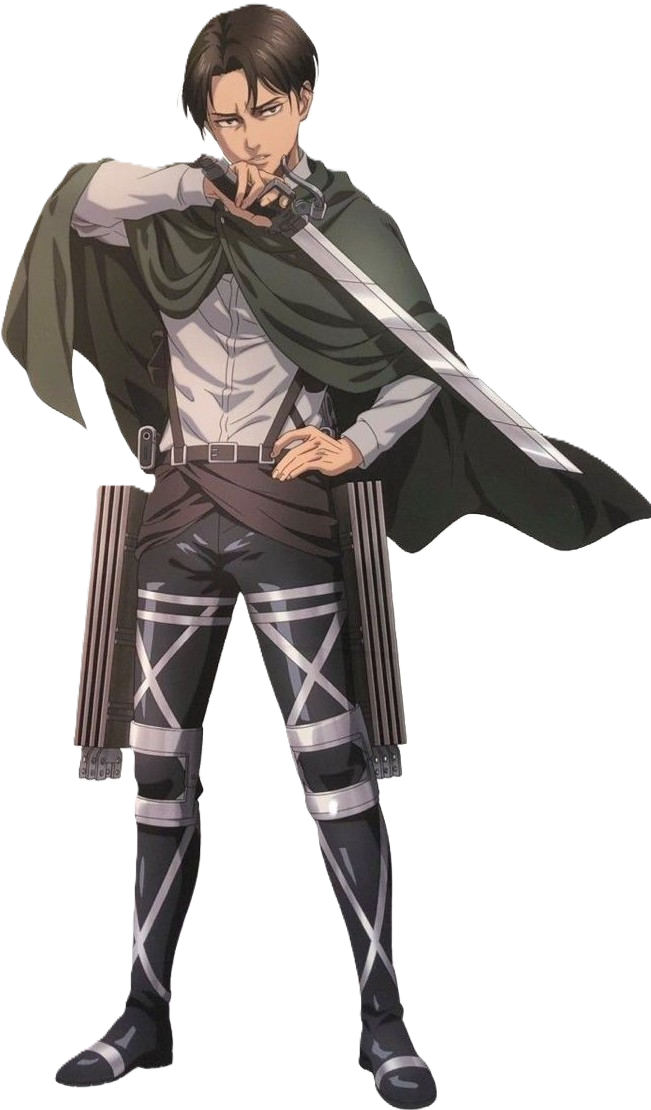
Levi Ackerman
Popular 애니메이션 Comparisons
Compare these figures side-by-side with mathematically aligned scale.
Amitabh Bachchan vs Aamir Khan
Compare the dramatic height difference between Indian cinema legend Amitabh Bachchan (188 cm / 6'2") and Aamir Khan (165 cm / 5'5") on a shared floor baseline.
Dwayne Johnson vs Horse
Visual comparison between Dwayne "The Rock" Johnson (196 cm / 6'5") and a standard riding horse (160 cm at withers).
Average Adult Male vs Elephant
Compare a massive African bush elephant (320 cm shoulder height) with an average adult human (176 cm). Experience true megafauna proportions on scale.
Average Adult Male vs Sedan / Hatchback Car
Visual height comparison between an average adult human (176 cm) and a standard passenger sedan/crossover car (150 cm roofline).
Average Adult Male vs Dog
See how an average adult human (176 cm) compares visually to a standard domestic dog (60 cm withers) on a shared floor baseline with accurate proportions.
Average Adult Male vs Standard Door
Compare an average adult human (176 cm / 5'9") against a standard interior residential door frame (210 cm / 6'11") on a true architectural baseline.
Explore Related Categories
Discover complementary categories to expand your height perspective.
애니메이션 Height Comparison FAQ
Common questions and reference measurement data.
Are anime character heights official, or do fans guess them?
They are official. Japanese publishers print character profiles with height, weight, and birthday in databooks and fanbooks that accompany a manga series, and animation studios build their model sheets from those same numbers. When you see two different heights for one character, it is almost always because the character aged between story arcs, not because the number was invented.
Why does one character have two different heights on different sites?
Long-running anime age their casts. Luffy is 172 cm before the One Piece timeskip and 174 cm after it, Eren Yeager grows from 170 cm to 183 cm, and Tanjiro grows from 156 cm to 165 cm during his training. A site that does not say which era it is quoting will look wrong even when its number comes from a real source, which is why this page labels the era for every entry.
Why are some anime characters so short compared to real people?
Many protagonists are teenagers, and Japanese character design often keeps heroes compact so they read clearly on screen next to much larger villains and creatures. Edward Elric at 149 cm and Levi Ackerman at 160 cm are both written as small, and their stories make a point of it: their size is part of their identity, not a drawing error. Comparing them with an average adult on the canvas shows exactly how deliberate that choice is.
Do anime heights change between the manga and the anime?
The published databook figure is the same for both, because the anime adapts the manga's design sheets. What changes is how tall a character looks on screen: camera angles, dramatic perspective, and the height of whoever is standing next to them can make a character seem taller or shorter in a given scene. The databook number stays fixed, which is why it is the right figure to compare.
How should I use the comparison tool with anime characters?
Start with one character and an average human of 175 cm, then add a second character from the same series to see the in-universe gap, and finally add a real-world object such as a doorframe to ground the result. Because anime casts mix teenagers, adults, and giants, the tool is most revealing when you compare characters from the same era of the same series rather than mixing early-series and adult versions.