Plantas Comparador de Altura
Compara alturas de árboles, flora, especímenes botánicos y secuoyas gigantes junto a humanos y estructuras.
Lienzo de Comparación
3 ItemsAccurate, proportional visual comparison for humans and animals on an aligned baseline.
Comparison Summary
Overview of all active comparison items
| Name | Category | Type / Details | Height (Imperial) | Height (Metric) | Relative Diff |
|---|
How Plantas Heights Are Measured
Reference Anchor: Soil line to upper canopy apex
Plant height is measured as the vertical distance from the soil line at the base of the plant to the highest living tip of its canopy or stem, with the plant in its natural growth posture rather than stretched or staked upright. For trees, foresters distinguish between the height of a mature specimen growing in the open and one competing in a dense stand, and they record the year of measurement because a living tree keeps growing, loses crown to storms or fire, and can therefore be shorter at a later survey than it was before. The same species can vary enormously: a sunflower in a home garden may reach 2 metres while a record specimen exceeds 10 metres, and a date palm in a dry orchard stays far shorter than one in a deep, irrigated grove. For that reason every height on this page describes a specific kind of specimen — a record individual, a typical mature plant, or a common garden form — and the note beside each entry says which one it is.
Common Reference Heights in Plantas
| Subject / Benchmark | Metric Height | Imperial Height | Context & Measurement Note |
|---|---|---|---|
| Hyperion Coast Redwood | 11592 cm | 380'4" | Tallest known living tree, measured 115.92 m in Redwood National Park, California |
| Centurion Mountain Ash | 9960 cm | 326'9" | World's tallest flowering plant, Tasmania; measured 99.6 m after losing crown to fire in 2019 |
| Doerner Fir | 9930 cm | 325'9" | Tallest known Douglas fir and tallest non-redwood tree, measured 99.3 m in Oregon in 2022 |
| General Sherman Giant Sequoia | 8380 cm | 274'11" | Largest known living single-stem tree by trunk volume, Sequoia National Park, California |
| Giant Bamboo | 3000 cm | 98'5" | Typical mature height of Dendrocalamus giganteus, the world's tallest grass |
| African Baobab | 2500 cm | 82'0" | Large mature Adansonia digitata, a massive succulent tree of African savannas |
| Date Palm | 2000 cm | 65'7" | Typical mature Phoenix dactylifera, the cultivated palm of Middle Eastern and North African oases |
| Mature Saguaro Cactus | 1219 cm | 40'0" | Average mature Carnegiea gigantea per the US National Park Service, Sonoran Desert |
| Record Sunflower | 1090 cm | 35'9" | Guinness World Record sunflower grown by Alex Babich, USA, verified 3 September 2025 |
| Banana Plant | 500 cm | 16'5" | Typical mature cultivated banana plant, a giant herb with a pseudostem rather than a woody trunk |
| Garden Fruit Tree (Apple/Pear) | 350 cm | 11'6" | Semi-dwarf orchard canopy |
| Common Sunflower | 180 cm | 5'11" | Ordinary garden sunflower at full bloom |
Understanding Plantas Heights
Why plant heights are the hardest numbers in nature
No other category on this site spans a range as wide as plants. At one end sits a garden sunflower that a child can look over; at the other, a coast redwood taller than a 35-storey building. Between them lie palms, cacti, bamboos, fruit trees, and shrubs, each with its own growth habit, lifespan, and relationship to its surroundings. That range is what makes plant heights so satisfying to compare: placing a person next to a redwood turns an abstract number like 116 metres into something felt, while placing the same person next to a saguaro explains why a desert that looks empty from a car window is actually full of slow, towering life.
The difficulty is that a plant's height is never a fixed property the way a doorway's height is. A plant grows, and its final size depends on soil, water, light, wind, and neighbours. Two seeds from the same parent can end up metres apart in height if one lands in a sheltered, irrigated garden and the other on a dry, windy slope. Age matters just as much: a saguaro takes about a decade to reach a single inch, yet may stand for two centuries and eventually top 12 metres, while a bamboo shoot reaches its full 30 metres in a single growing season and then never grows taller. Any honest plant comparison therefore has to say what kind of specimen it is describing, and this page does exactly that in the note beside every entry.
How a tree is actually measured
For a garden plant, measurement is simple: stand a tape beside it and read the top. For a giant tree, it is a small expedition. The gold standard is the tape drop, in which a climber ascends to the highest living shoot and lowers a tape to the ground, a method that confirmed Hyperion's record and is still used because laser rangefinders can be fooled by leaning trunks, dense foliage, and slopes. Surveyors also correct for the ground itself: a tree growing on a steep hillside is taller measured from its downhill side than from its uphill side, so published heights use the average ground level around the base.
These details explain why the same tree appears with different heights in different years. A tree does not only grow; it also breaks. Centurion, the mountain ash in Tasmania, was measured at 100.5 m in 2018 and then lost roughly 4 m of crown in a bushfire the following year, so its current published height is 99.6 m. The Doerner Fir in Oregon was 100.3 m in 1991 and 99.3 m in 2022, and it lost further crown to fire in 2025. None of these revisions means the earlier figures were wrong; they mean the tree changed. When you use the comparison tool, treat record-tree heights as snapshots of named individuals on a particular date, and treat garden-plant heights as typical ranges rather than promises.
The extremes, from record trees to a single flower
The top of the plant world belongs to conifers and one extraordinary flowering tree. Hyperion, a coast redwood in California, is the tallest known living thing on land at about 116 m, and it is still growing. Just behind it come Centurion, a mountain ash in Tasmania that is the tallest flowering plant on Earth, and the Doerner Fir, the tallest Douglas fir and the tallest tree in the world that is not a redwood. General Sherman, the giant sequoia, is shorter than all three at 83.8 m, but it holds a different record: by trunk volume it is the largest single-stem tree alive, a reminder that height and bulk are different achievements.
The smaller end of the scale is just as surprising. Giant bamboo, technically a grass, reaches 30 m, which makes it taller than most suburban trees and the fastest route to a tall screen in a garden. The saguaro, the largest cactus in the United States, averages about 12 m at maturity and can live two hundred years, growing so slowly that a ten-year-old plant is barely ankle-high. And the sunflower shows how far cultivation can stretch a species: the same plant that stands 1.8 m in a typical garden has been grown to 10.90 m by a record holder in Indiana, a height that would clear a three-storey house. Comparing these extremes side by side is the quickest way to grasp that "plant height" is not one number but a whole spectrum shaped by genetics, climate, and time.
How to use the comparison tool for plants
Start with something you know. Put an average adult next to a date palm to see why oasis towns feel shaded and enclosed, or next to a mature saguaro to understand why desert hikers use cacti as landmarks. Then try a practical comparison: a banana plant beside a garden fence, a semi-dwarf apple tree beside a single-storey house, or a houseplant beside a bookshelf before you buy it. The tool keeps every plant on the same baseline, so the eye can judge scale honestly instead of guessing from photographs, where a wide-angle lens can make a shrub look like a tree.
A useful habit is to compare the same species at two ages or forms. Place a common sunflower beside the record sunflower and the gap shows what selective growing can do; place a young saguaro beside a mature one and the gap shows why desert conservation is measured in centuries rather than seasons. If you are planning a garden, compare the mature height of a tree with the height of your roofline and power lines, because a tree planted for shade today can become a pruning problem in twenty years. The tool will not tell you which plant to choose, but it will stop you from being surprised by the size of the one you did.
Verified Plantas Catalog
Accurately scaled vector and raster figures ready for side-by-side comparison.
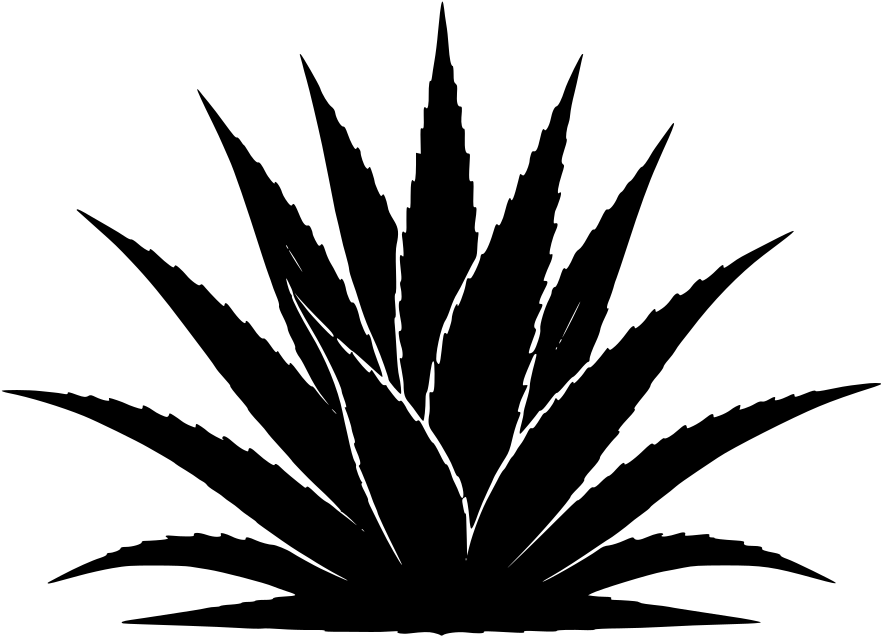
Agave
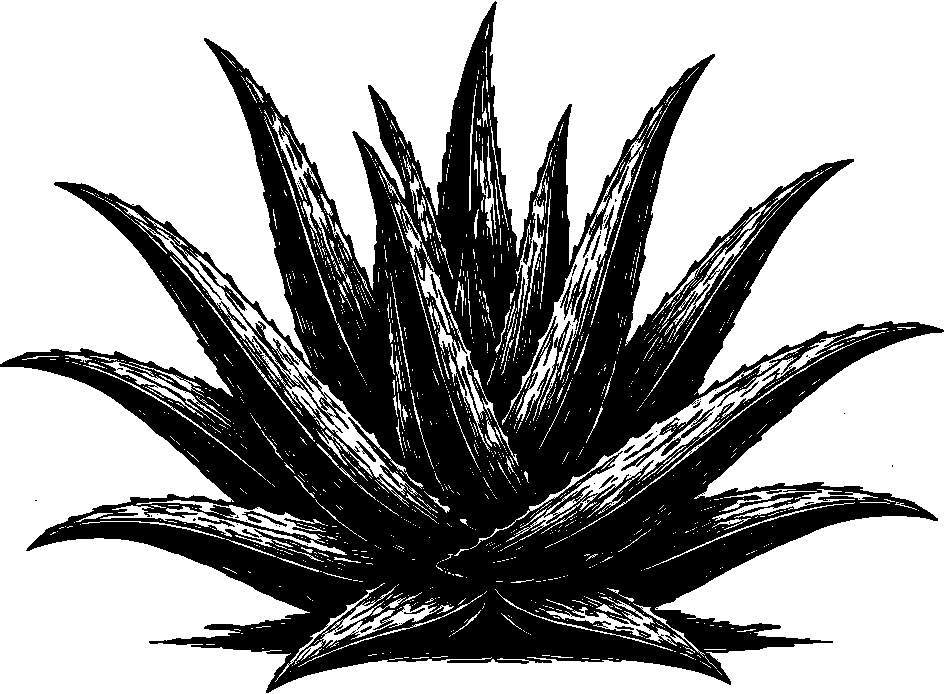
Aloe Vera
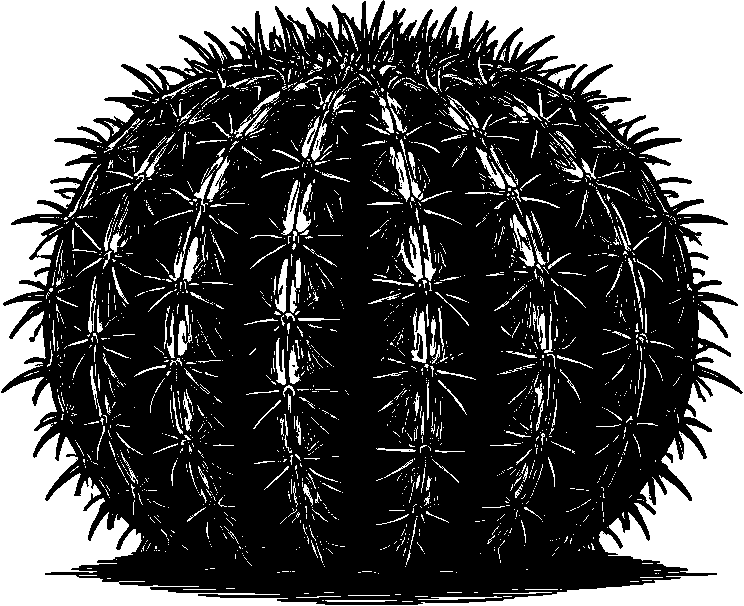
Ball Cactus
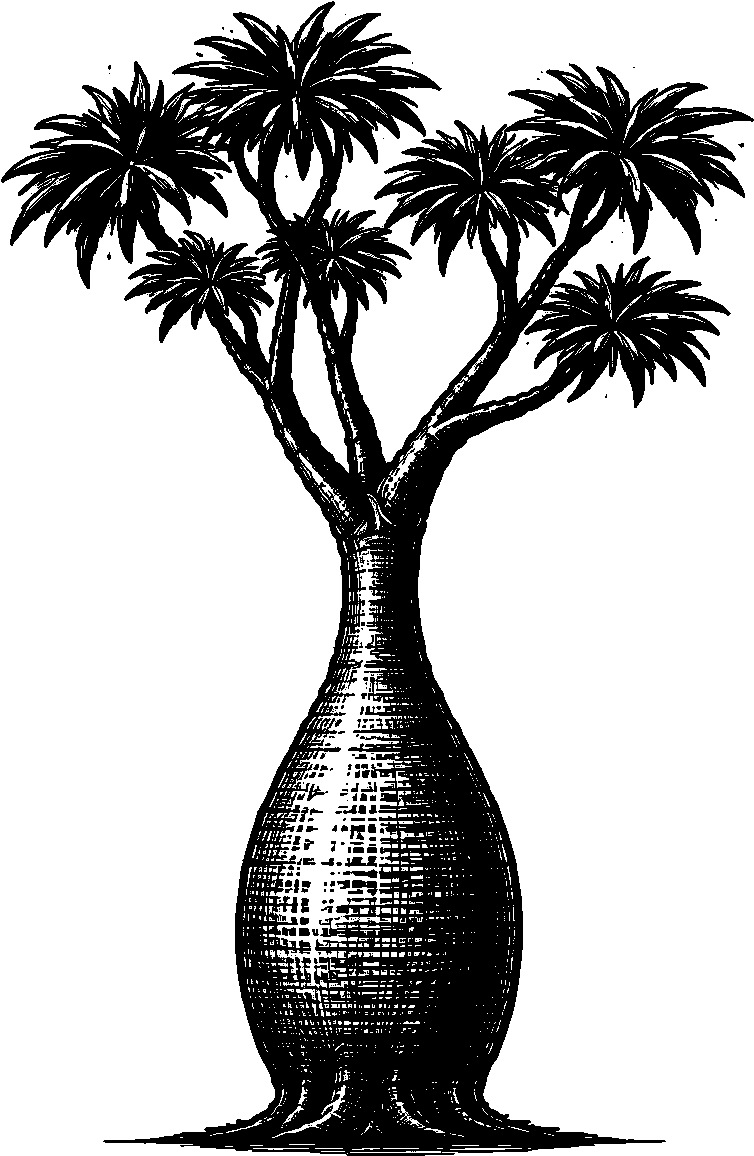
Buddha Belly Tree
Fan Cactus
Golden Amber Cactus
Rattle
Saguaro Cactus
Succulent Rosette
Yushu
Arundodis
Bamboo
Begonia
Begonia Tree
Canna
Cat-tail
Chinese Peony
Cockscomb
Corn Plant
Cotton Plant
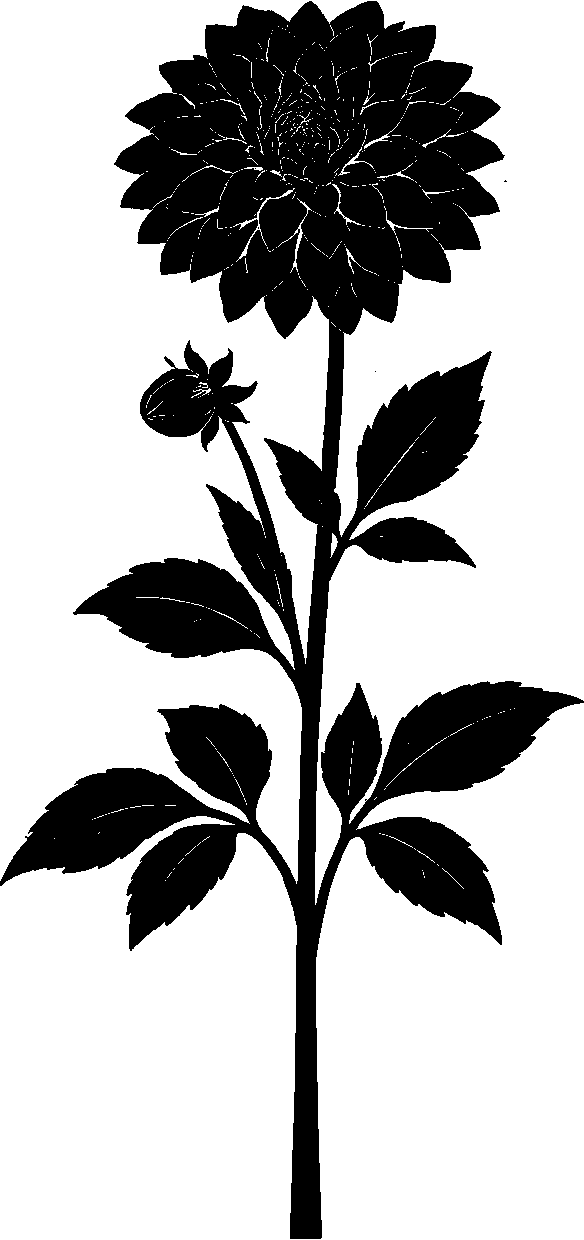
Dahlia
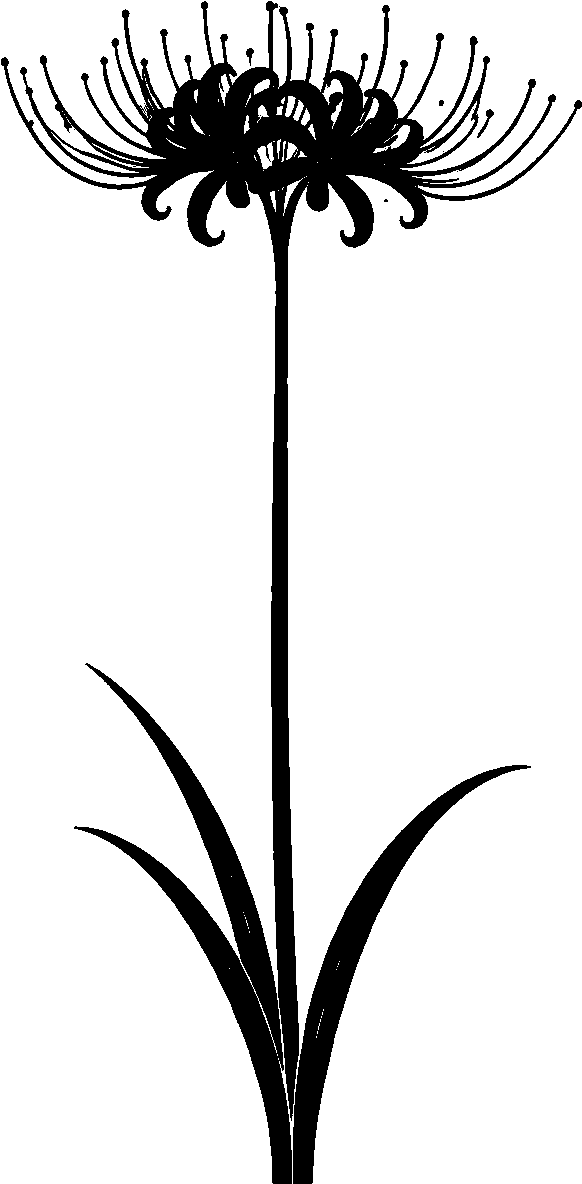
Flower of the Other Shore
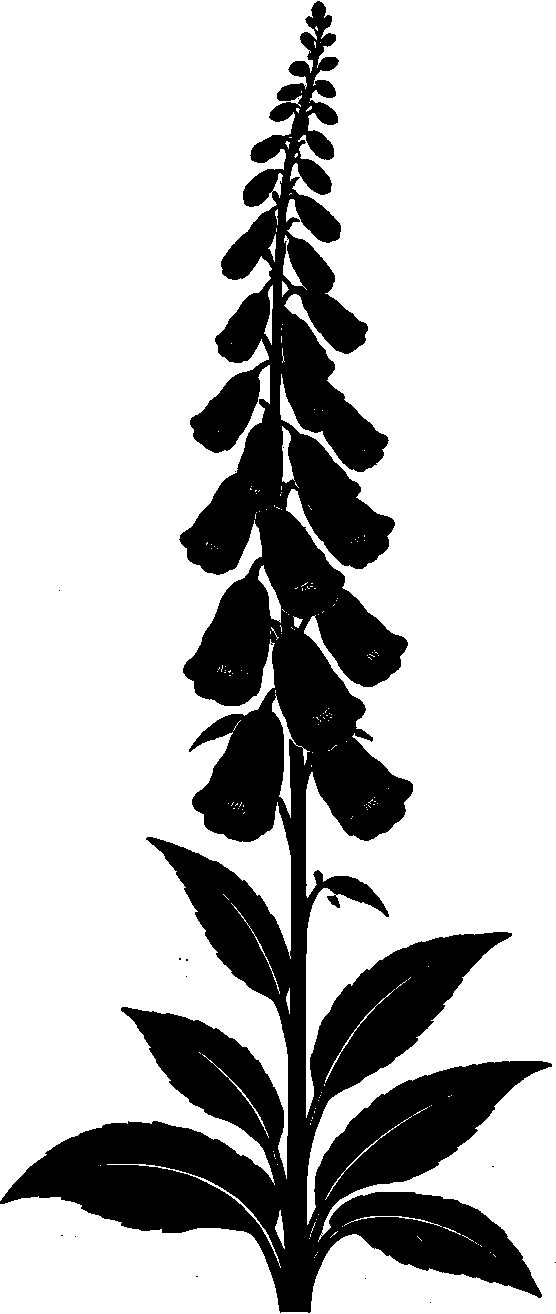
Foxglove
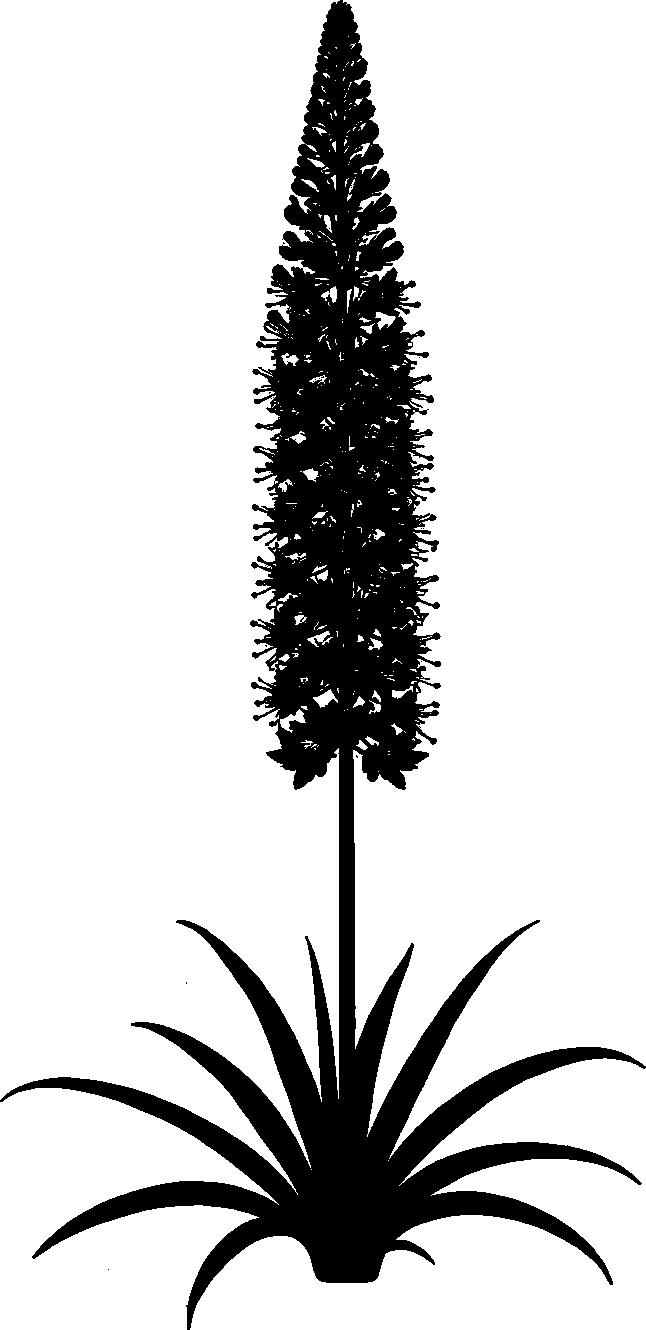
Foxtail Lily
Hollyhock
Iris
Lavender
Lily
Loquat Tree
Lotus
Lu Binghua
Marigold
Popular Plantas Comparisons
Compare these figures side-by-side with mathematically aligned scale.
Amitabh Bachchan vs Aamir Khan
Compare the dramatic height difference between Indian cinema legend Amitabh Bachchan (188 cm / 6'2") and Aamir Khan (165 cm / 5'5") on a shared floor baseline.
Dwayne Johnson vs Horse
Visual comparison between Dwayne "The Rock" Johnson (196 cm / 6'5") and a standard riding horse (160 cm at withers).
Average Adult Male vs Elephant
Compare a massive African bush elephant (320 cm shoulder height) with an average adult human (176 cm). Experience true megafauna proportions on scale.
Average Adult Male vs Sedan / Hatchback Car
Visual height comparison between an average adult human (176 cm) and a standard passenger sedan/crossover car (150 cm roofline).
Average Adult Male vs Dog
See how an average adult human (176 cm) compares visually to a standard domestic dog (60 cm withers) on a shared floor baseline with accurate proportions.
Average Adult Male vs Standard Door
Compare an average adult human (176 cm / 5'9") against a standard interior residential door frame (210 cm / 6'11") on a true architectural baseline.
Explore Related Categories
Discover complementary categories to expand your height perspective.
Plantas Height Comparison FAQ
Common questions and reference measurement data.
Why do different sources give different heights for the same famous tree?
A living tree is a moving target. It grows every year, and it can lose metres of crown to lightning, fire, or wind, so a figure is only correct for the year it was measured. Hyperion, for example, was measured at 115.55 m in 2006 and 115.92 m in 2019, and Centurion lost about 4 m in a 2019 bushfire. Slope also matters: surveyors report height above the average ground level, while a tape dropped from the crown to the lowest point downhill can read several metres more.
How tall does an ordinary sunflower actually get?
Most garden sunflowers reach 1.5 to 3 metres, which is already taller than most adults. The record books are a different story: competitive growers using rich soil, shelter, and staking have pushed the species past 10 metres, with the current Guinness record at 10.90 m. When you compare a sunflower in the tool, check whether the entry is a garden plant or a record specimen, because the two differ by a factor of five.
Can I compare a houseplant with furniture in the tool?
Yes, and that is one of the most practical uses of this category. Place a fiddle-leaf fig or monstera next to a dining table, bookshelf, or doorway to judge whether it will fit a room and how much light its top leaves will get. Measure the plant from the soil surface in its pot, not from the floor, and remember that a plant bought small will keep growing toward its mature height.
Why is a banana plant not counted as a tree?
A banana plant has no woody trunk. What looks like a trunk is a pseudostem made of tightly wrapped leaf sheaths, and the whole above-ground plant dies back after fruiting while new shoots rise from the underground rhizome. Botanists therefore call it the largest herbaceous flowering plant rather than a tree, even though a mature specimen can stand 5 metres tall and shade a garden like a small tree does.