Películas Comparador de Altura
Compara alturas de héroes icónicos del cine, villanos, titanes de ciencia ficción y figuras cinematográficas frente a estaturas humanas reales.
Lienzo de Comparación
3 ItemsAccurate, proportional visual comparison for humans and animals on an aligned baseline.
Comparison Summary
Overview of all active comparison items
| Name | Category | Type / Details | Height (Imperial) | Height (Metric) | Relative Diff |
|---|
How Películas Heights Are Measured
Reference Anchor: Canon Script & Prop Blueprint Stature
Film character heights come from studio production bibles, prop design blueprints, and official scale charts prepared during production, not from measuring actors on a red carpet. Three different numbers can all be true for one character: the actor's own height, the height of the costumed figure on set, and the height of the finished CGI character on screen. Armor, helmets, platform boots, and digital scaling each add centimetres, so every entry on this page states which of those figures it is quoting.
Common Reference Heights in Películas
| Subject / Benchmark | Metric Height | Imperial Height | Context & Measurement Note |
|---|---|---|---|
| Yoda | 66 cm | 2'2" | Star Wars, Jedi Master; StarWars.com Databank figure |
| R2-D2 | 109 cm | 3'7" | Star Wars, R2-series astromech droid; 1.09 m in canon references |
| Captain America (Steve Rogers, MCU) | 188 cm | 6'2" | Post-serum height shown in the Smithsonian exhibit; actor Chris Evans is 6'0" |
| T-800 (Terminator) | 188 cm | 6'2" | As portrayed by Arnold Schwarzenegger, official 6'2" billing |
| Wolverine (film portrayal) | 188 cm | 6'2" | Hugh Jackman on screen; comics canon is 160 cm, a different figure |
| Iron Man (Mark 85 armor) | 198 cm | 6'6" | Armor height in Avengers: Endgame; Tony Stark himself is 185 cm |
| Darth Vader (armor) | 203 cm | 6'8" | Full life-support armor per StarWars.com Databank; unarmored Anakin is shorter |
| Chewbacca | 228 cm | 7'6" | Star Wars, Wookiee co-pilot; StarWars.com Databank figure |
| The Hulk (MCU) | 259 cm | 8'6" | Gamma form in the MCU; Bruce Banner is 175 cm |
| Jake Sully (avatar) | 274 cm | 9'0" | Avatar, adult Na'vi body; production material gives adults as 9-10 ft |
| Optimus Prime (Bayverse) | 853 cm | 28'0" | Transformers live-action scale charts for the 2007-2017 films |
| King Kong (Skull Island, 2017) | 3170 cm | 104'0" | Adolescent Kong in Kong: Skull Island |
| King Kong (Godzilla vs. Kong, 2021) | 10270 cm | 337'0" | Fully grown Kong in the MonsterVerse |
| Godzilla (2021) | 11980 cm | 393'0" | MonsterVerse Godzilla in Godzilla vs. Kong |
Understanding Películas Heights
The three heights hiding inside every film character
Ask how tall a film character is and you will usually get three answers, all of them defensible. There is the actor's height, the height of the figure actually photographed on set, and the height of the finished character audiences see. For an ordinary human role these three numbers are nearly identical, and nobody notices the difference. For a costumed or digital character they can be metres apart, and the gap is where most confusion about film heights begins. Darth Vader is the textbook case: David Prowse inside the suit was a very tall man, the finished armor with its helmet reaches 203 cm, and Anakin Skywalker the person underneath was never that tall at all. Quoting any one of those numbers without saying which one you mean is how arguments start.
Armor is the biggest single source of extra height, and it is worth understanding as a craft rather than a trick. A suit of powered armor, a Wookiee costume, or a superhero outfit is built over the performer's body, and helmets, shoulder pads, and platform boots routinely add ten to twenty centimetres. Iron Man's Mark 85 armor stands at 198 cm while Tony Stark is 185 cm, and the thirteen centimetres between them are engineering: plating, a helmet, and the boots of the suit. Chewbacca's 228 cm is a costume figure too, built up from the performer inside plus fur, a headpiece, and footwear. None of this makes the numbers fake. The armored figure is what the audience sees, what the story treats as the character's height, and what the official databank records. It only becomes misleading when it is silently compared with a barefoot human measurement as though both were taken the same way.
Production bibles, scale charts, and why reboots reset everything
For human characters, the production bible is usually just the casting sheet: the actor's billed height, adjusted by whatever the costume adds. For creatures and robots, the key document is the scale chart, a sheet drawn before filming that fixes each character's height against a human silhouette, a vehicle, and a building. Transformers' live-action scale charts settle the Bayverse Optimus Prime at 28 ft, and that figure stayed consistent across the 2007-2017 films because every effects shot was built from the same chart. Avatar's production material defines adult Na'vi as 9-10 ft tall, which is why Jake Sully's avatar body reads as roughly 9 ft against human soldiers in the same frame. These documents are the closest thing film has to an anime databook, and they deserve the same respect as sources.
Reboots and sequels reset the chart, and that is a feature rather than an error. Kong is 104 ft in Kong: Skull Island because the story needs an adolescent ape who can still grow, and he is 337 ft in Godzilla vs. Kong because the story needs an adult who can stand against a 393 ft Godzilla. The tripling is deliberate, and the production team published both numbers. The same logic explains why a 1954 Godzilla at 50 m and a 2021 Godzilla at 119.8 m are both correct: they belong to different productions with different skylines to tower over. Any table that lists a creature without naming its film is hiding the most important piece of information about that figure.
Forced perspective, doubles, and the illusions that fool the eye
Even when the production chart is exact, the finished film can lie to your eyes, and filmmakers have a whole toolkit for doing it. Forced perspective puts a shorter actor closer to the camera so they appear taller, a technique the Lord of the Rings films used constantly for hobbits and wizards. Camera height matters too: shooting a character from below adds authority and apparent height, while shooting from above diminishes them, and directors choose these angles for emotional effect rather than documentary accuracy. That is why two characters can look like equals in one scene and differ by a head in the next, and why measuring heights off a film still is a fool's errand.
Body doubles and stand-ins add another layer. Captain America is a clean example: Steve Rogers is 188 cm after the Super Soldier Serum according to the in-universe Smithsonian exhibit, while Chris Evans, the actor, is 183 cm, and the production bridged the gap with camera tricks and careful framing. The Hulk is the extreme case, because there is no performer of that size at all: the 259 cm MCU Hulk is a fully digital build whose height was chosen on paper and then rendered, with Mark Ruffalo's 175 cm body serving only as a motion reference. Once you know these mechanisms exist, the right question stops being "how tall did he look in that scene" and becomes "what did the production decide", which is a question with a documented answer.
Using the tool to settle film scale arguments
The comparison tool is at its best when it makes a film's visual language literal. Put Yoda at 66 cm beside Darth Vader's armored 203 cm and you have reproduced, in numbers, the most famous contrast in Star Wars: the smallest master and the tallest villain, separated by 137 cm of screen presence. Put R2-D2 at 109 cm beside Chewbacca at 228 cm and the droid's habit of rolling through scenes at knee height suddenly has a measurement attached. These are not trivia; they are the spatial facts the directors were working with when they blocked each scene, and seeing them on one baseline explains casting and costume decisions that otherwise look arbitrary.
The tool also handles the jump from human scale to kaiju scale, which is where film height becomes genuinely spectacular. A human figure at 175 cm beside Godzilla at 119.8 m is almost invisible, and that near-invisibility is the honest result: it tells you why kaiju films never frame their monsters against people, but against skylines, mountains, and other monsters. Comparing the 2017 Kong at 31.7 m with the 2021 Kong at 102.7 m on the same canvas shows the character's growth arc more vividly than any sequel montage, because the tripling is drawn rather than described. Keep the film title attached to every creature, keep armor figures labelled as armor, and the tool will do what no single film frame can: show you the production's own scale, all at once, on one ground line.
Verified Películas Catalog
Accurately scaled vector and raster figures ready for side-by-side comparison.
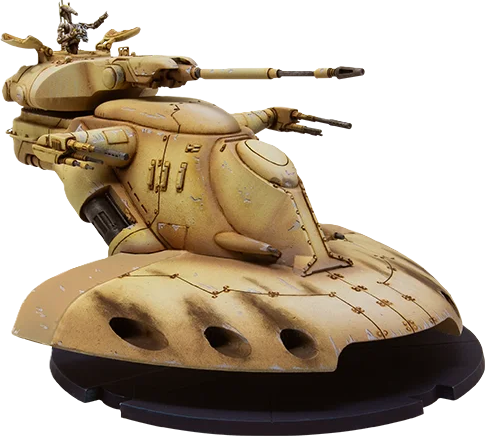
aat
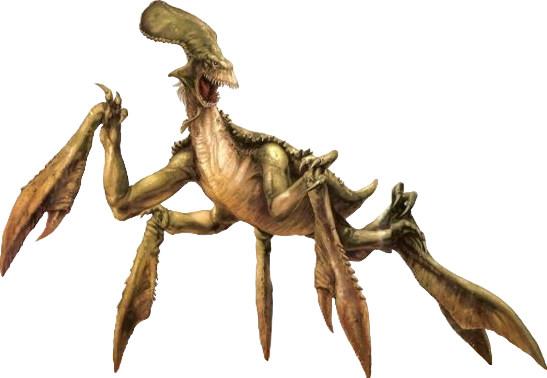
acklay
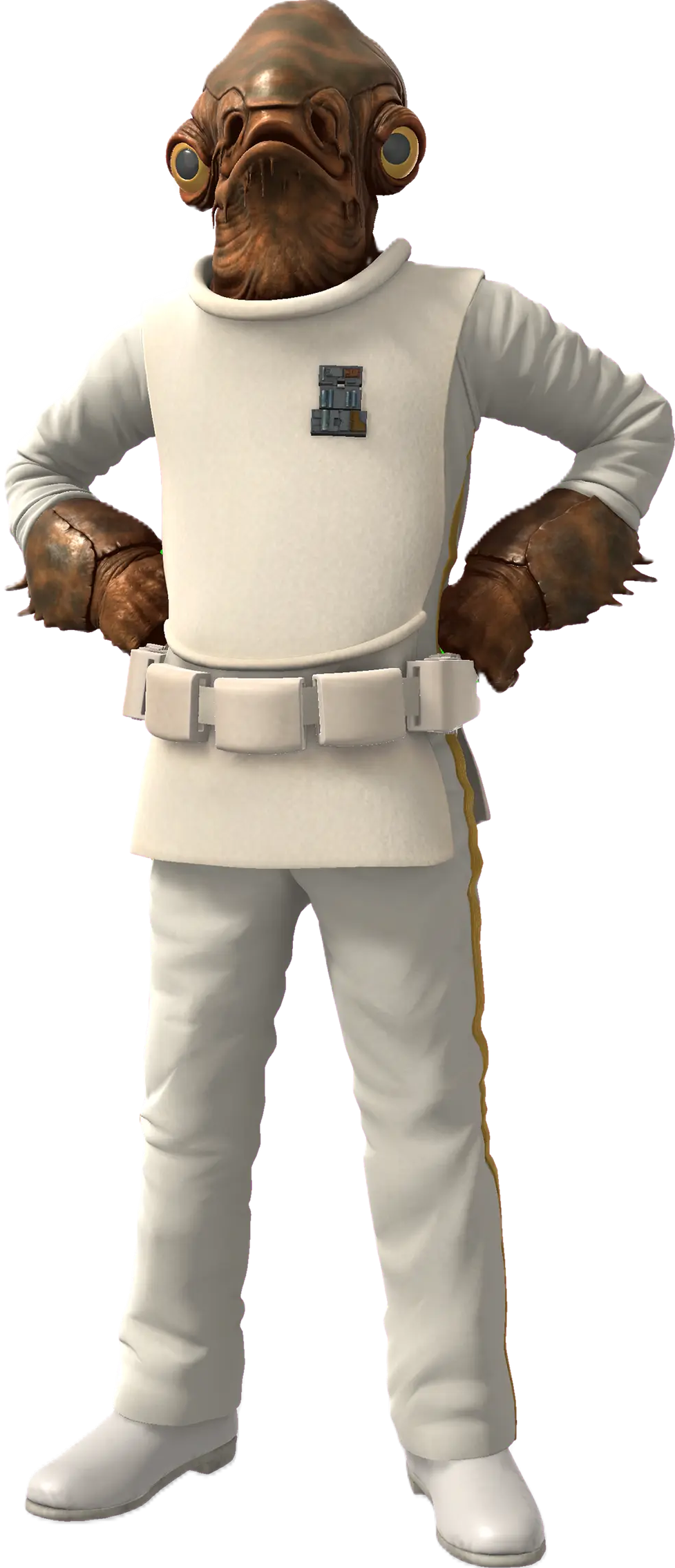
admiral ackbar
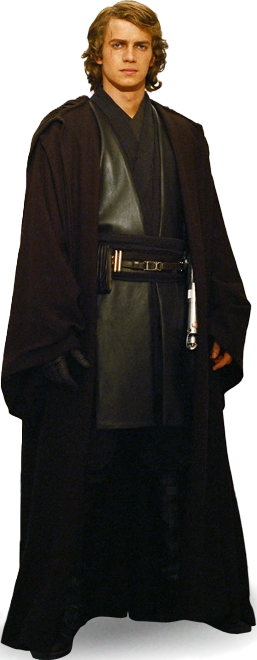
anakin skywalker
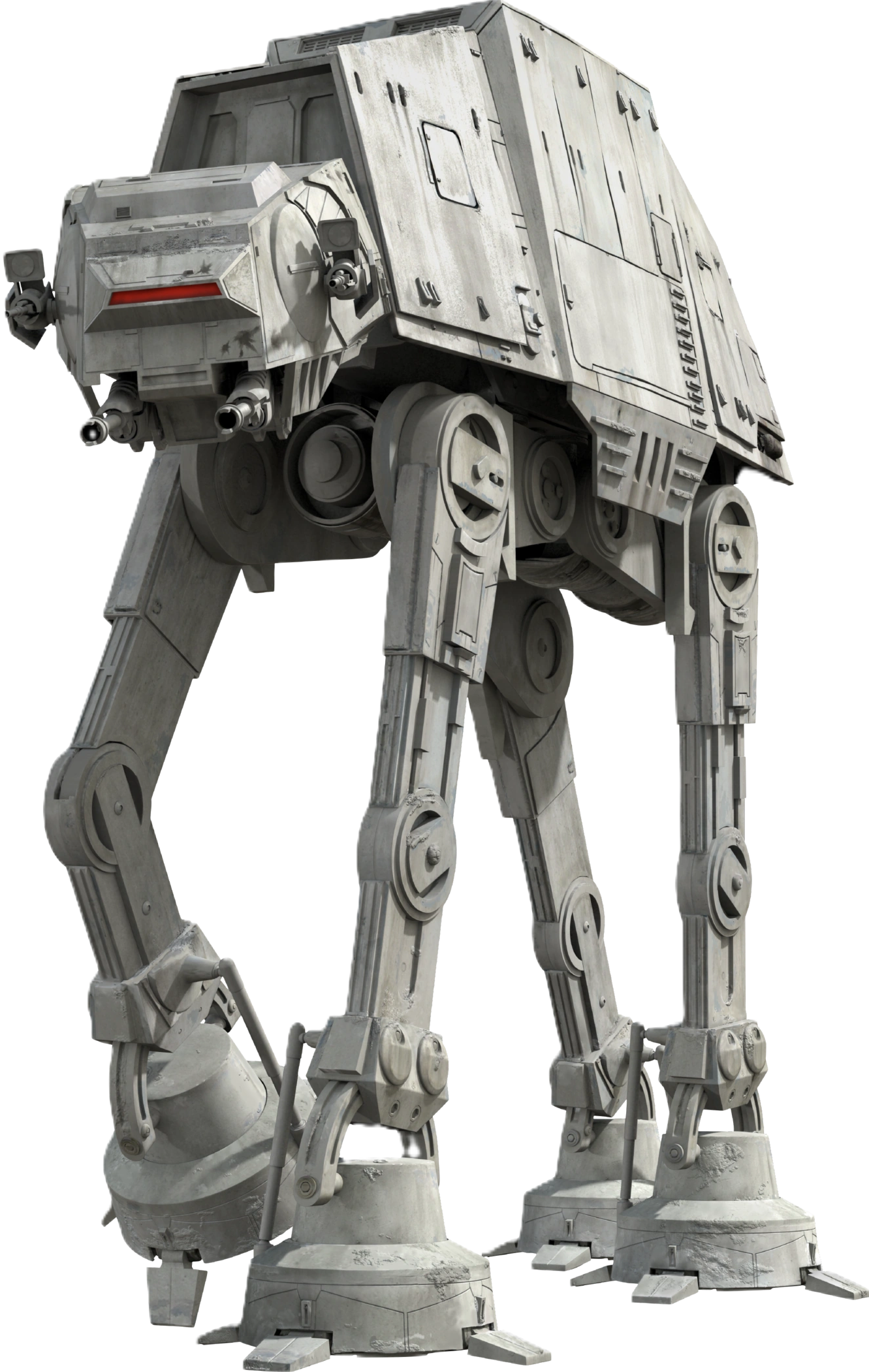
at at
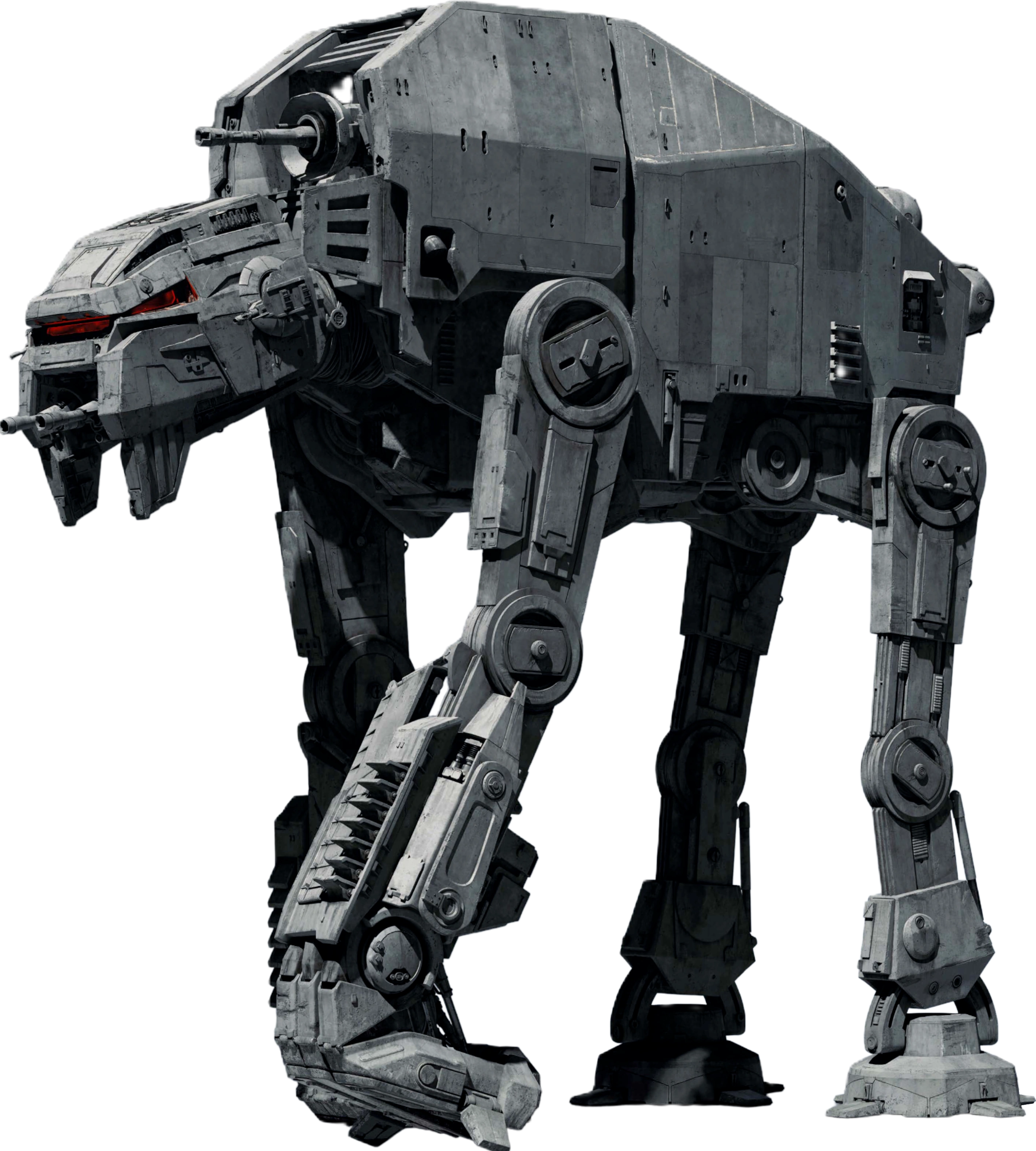
at m6
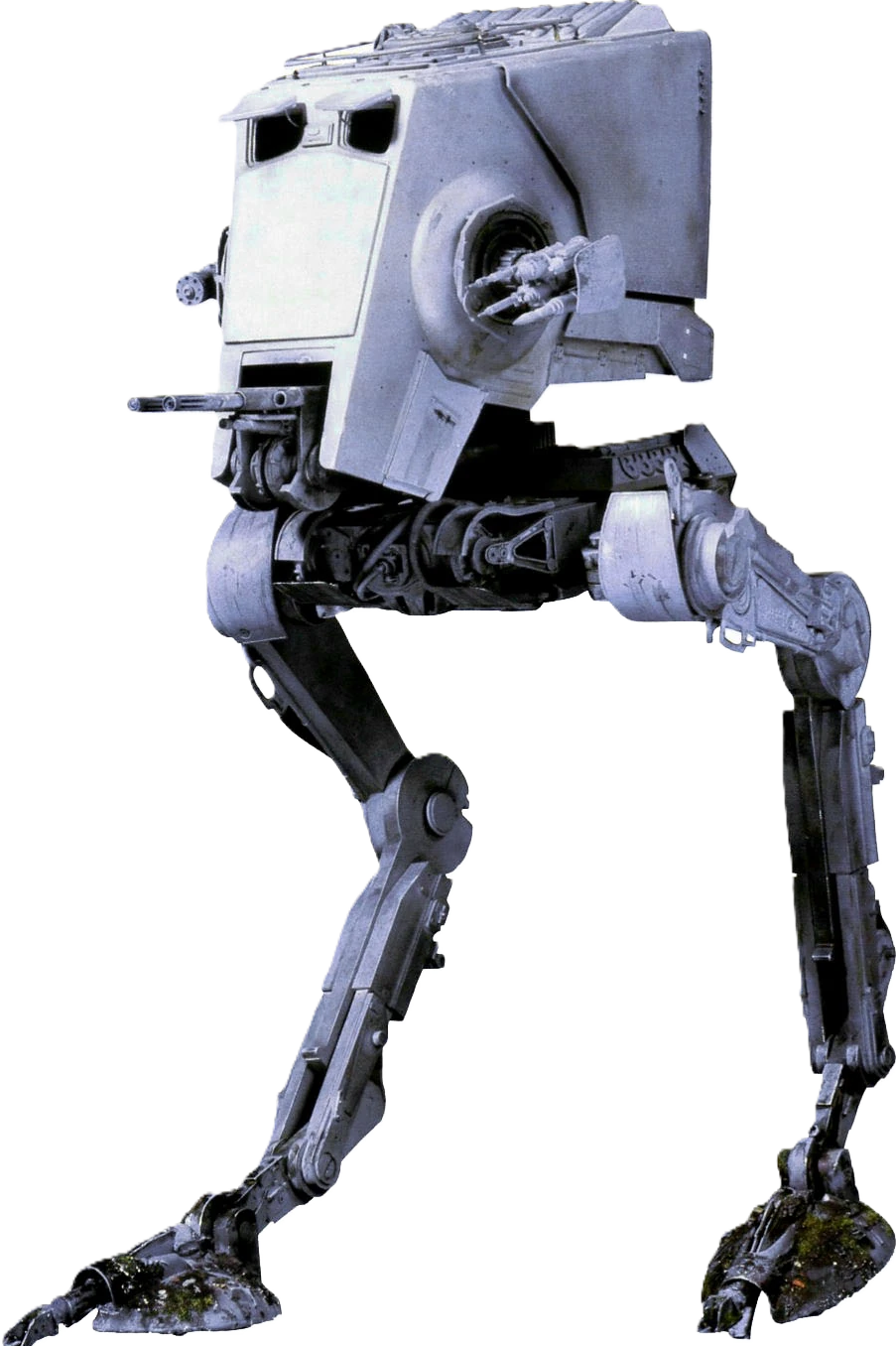
at st
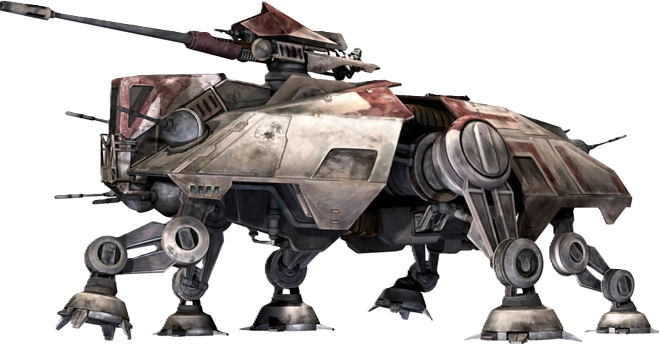
at te
b1 battle droid
b2 battle droid
baby yoda
bantha
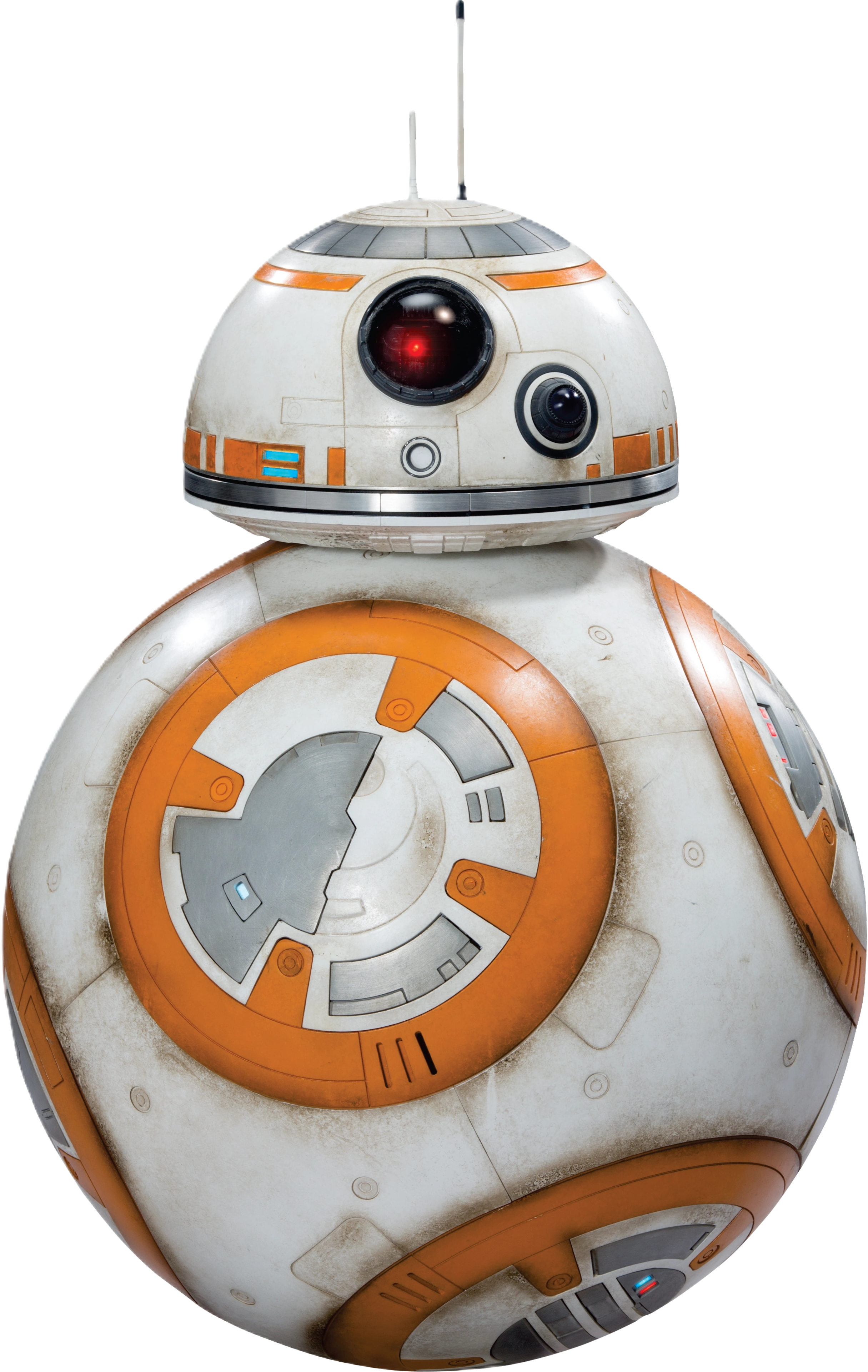
bb 8
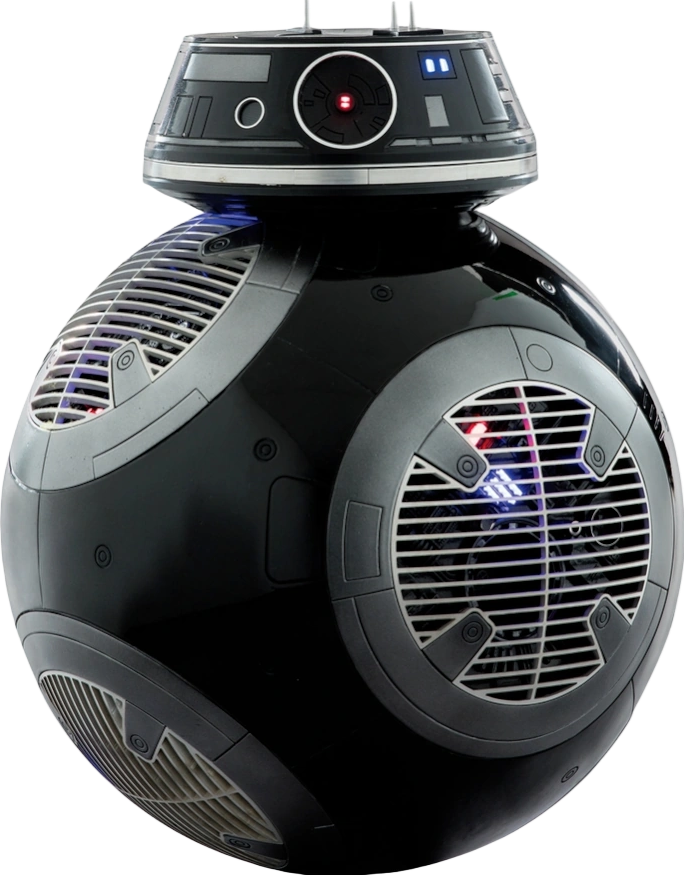
bb 9e
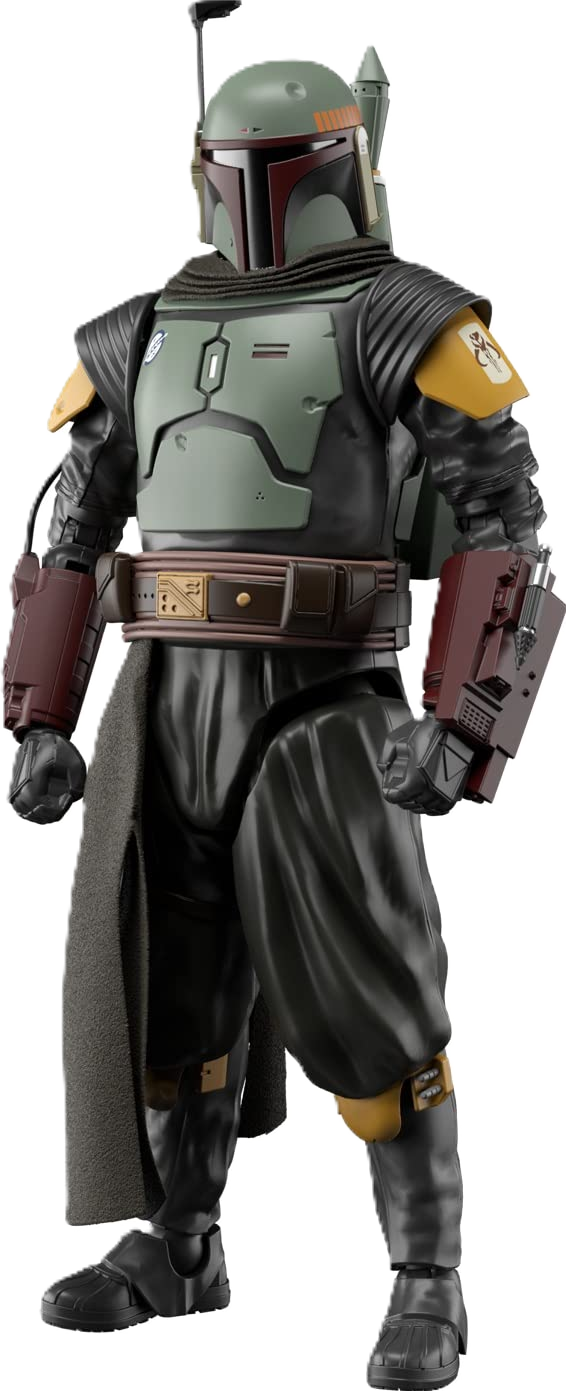
boba fett
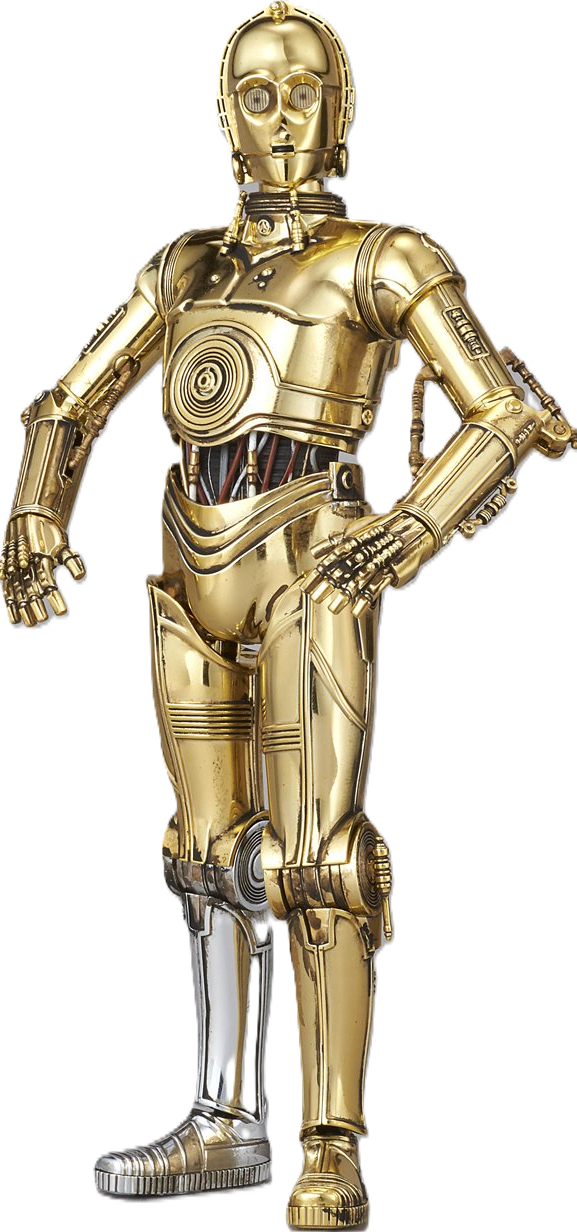
c 3po
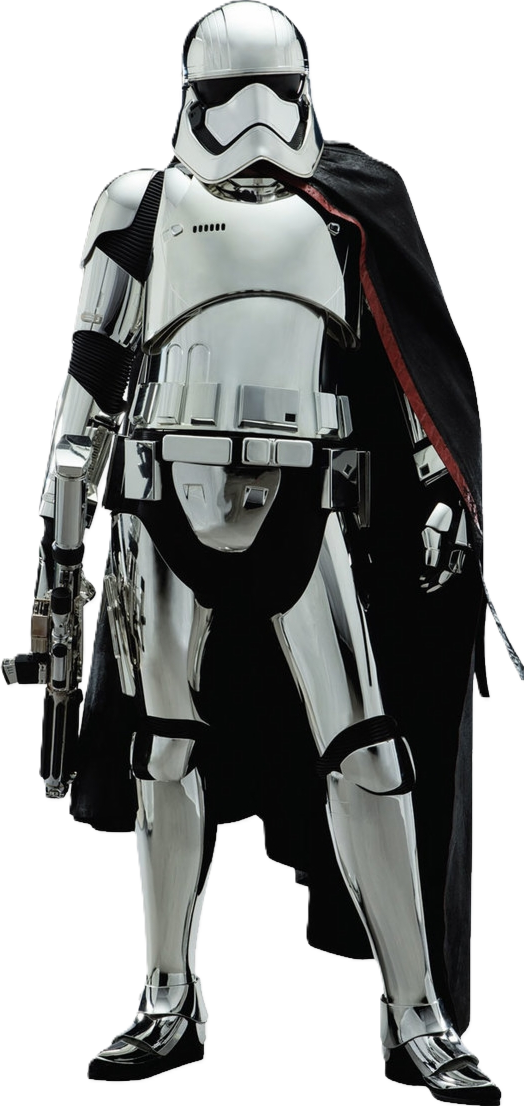
captain phasma
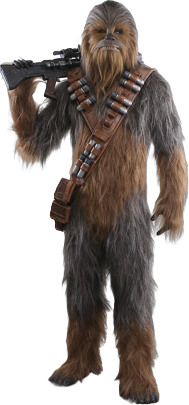
chewbacca
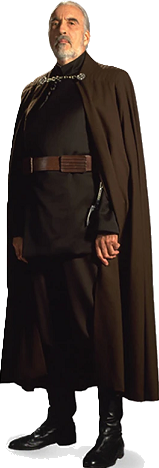
count dooku
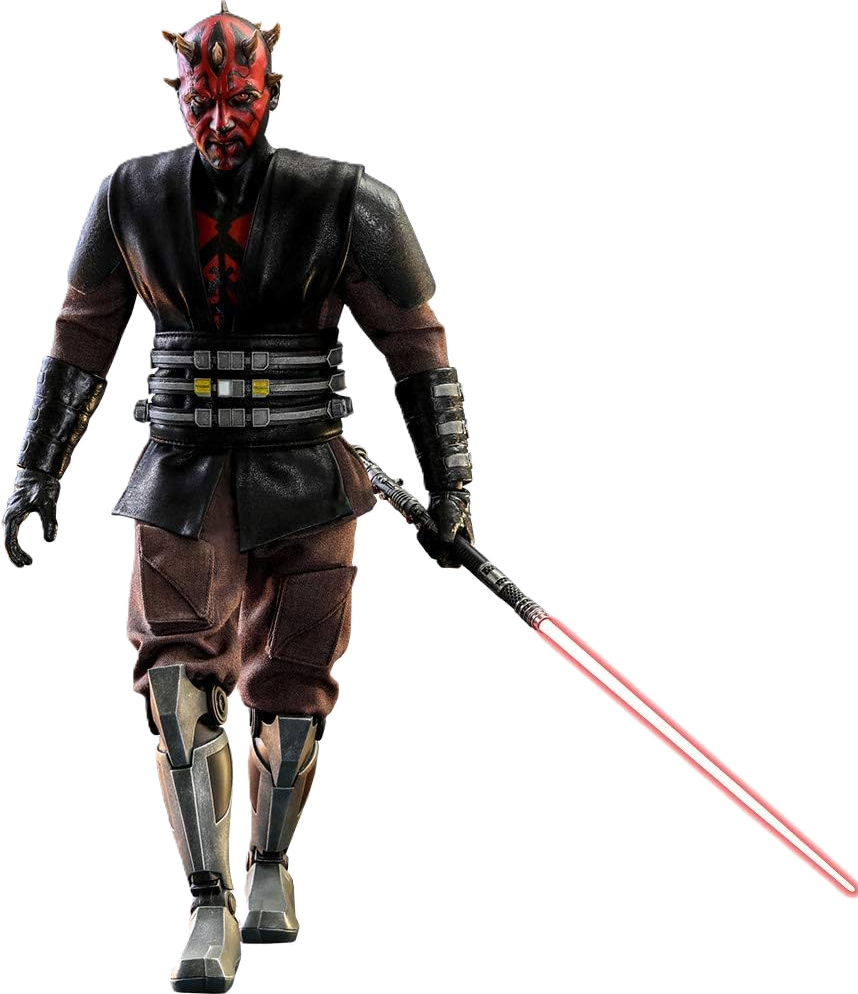
darth maul
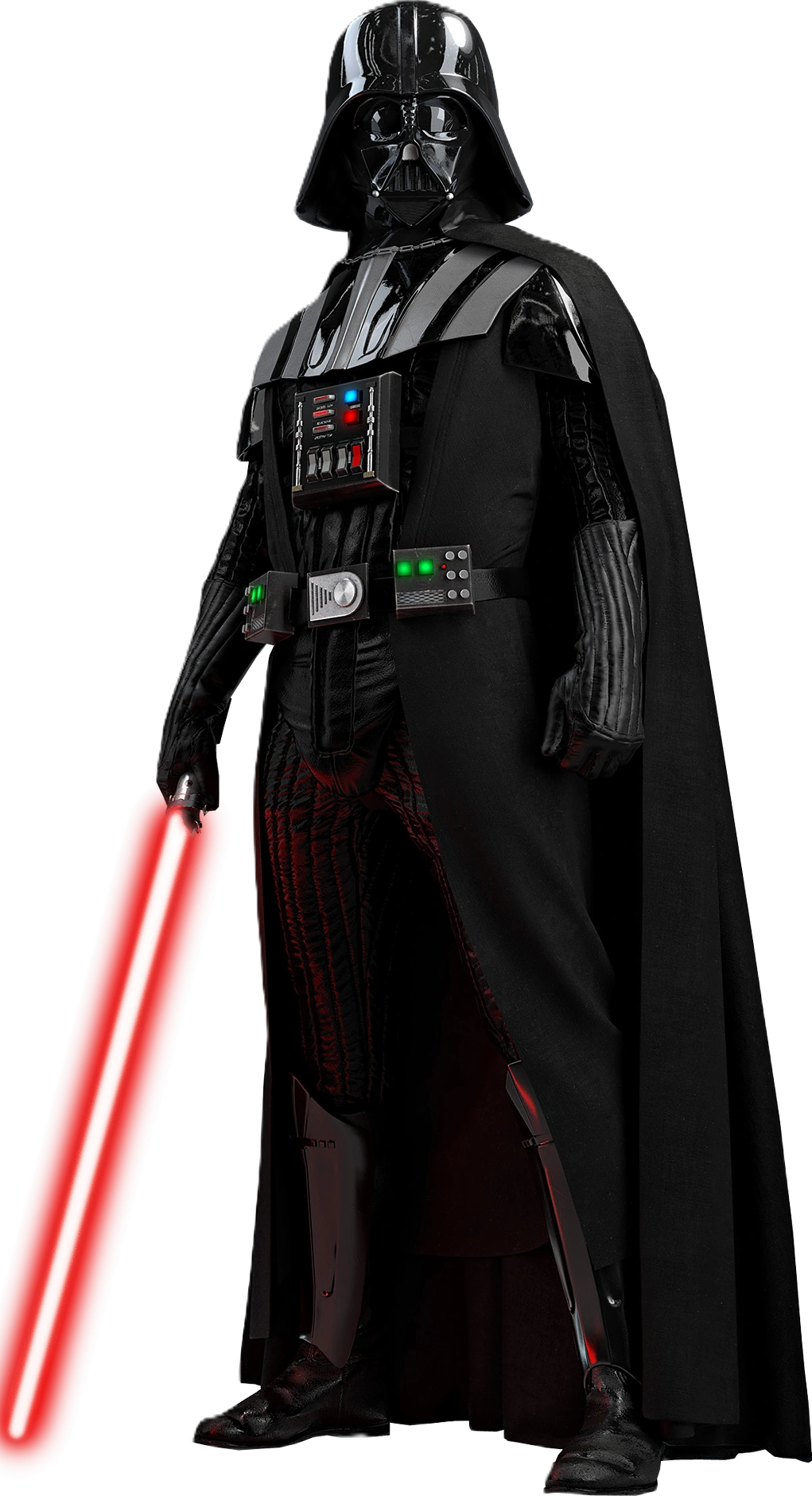
darth vader
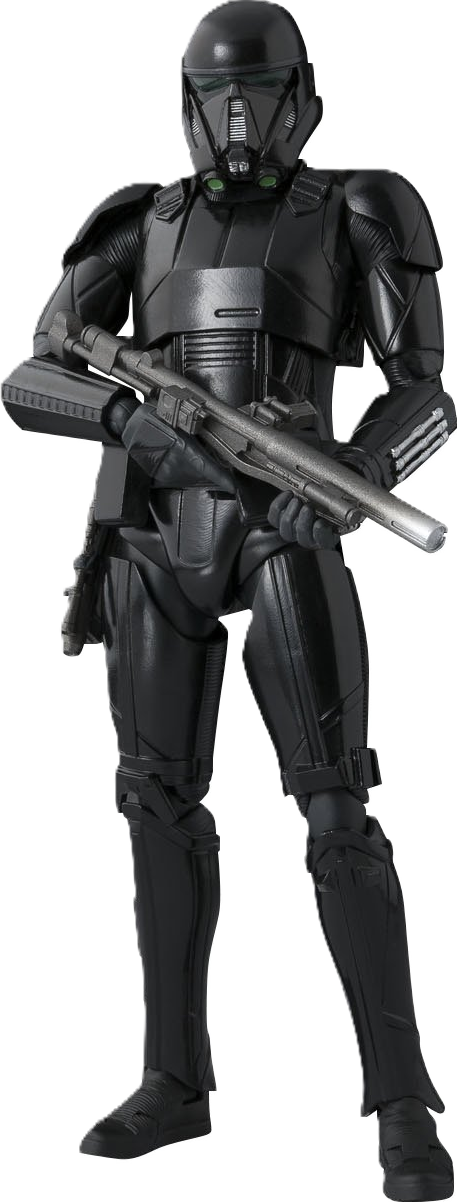
death trooper
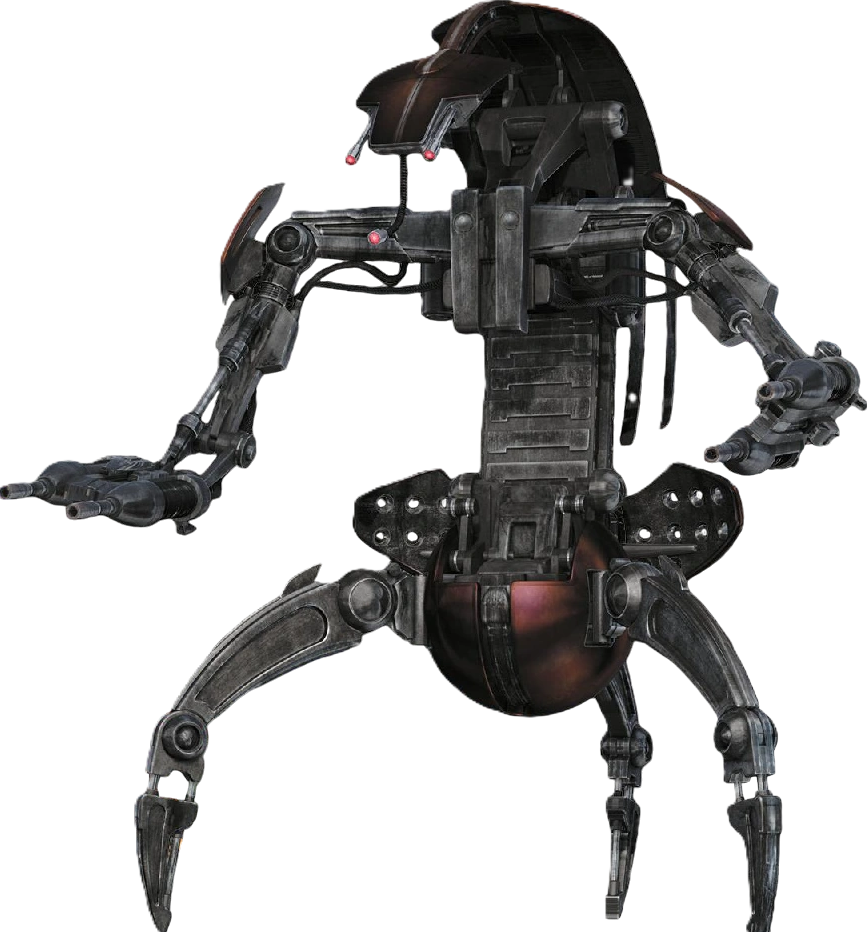
droideka
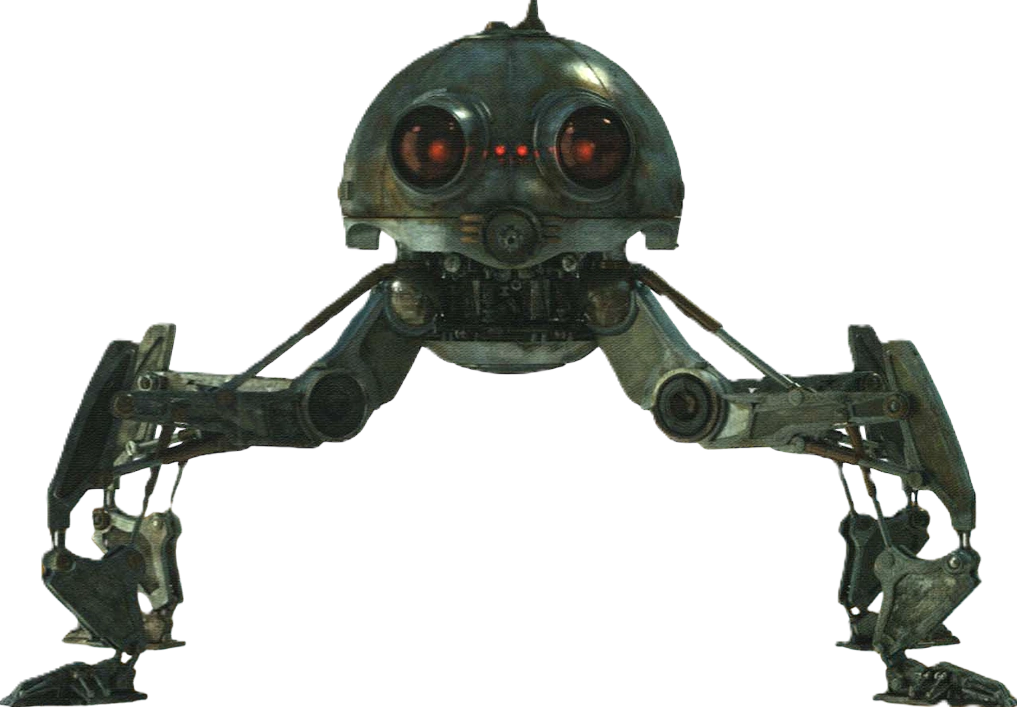
dwarf spider droid
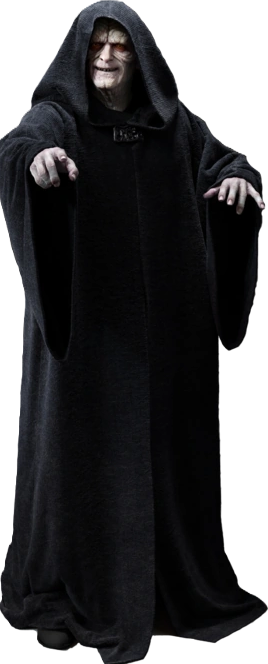
emperor palpatine
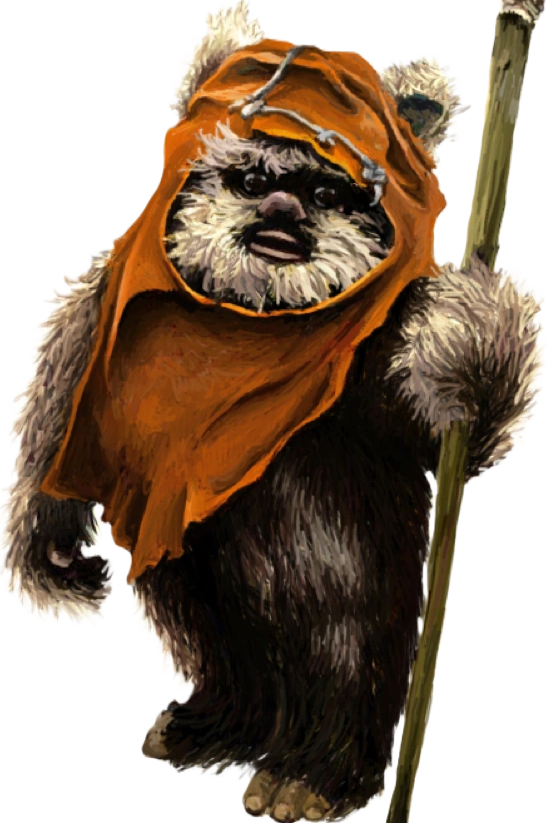
ewok
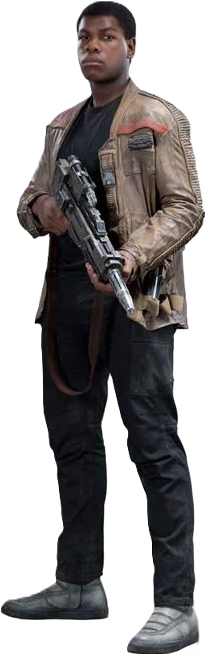
finn
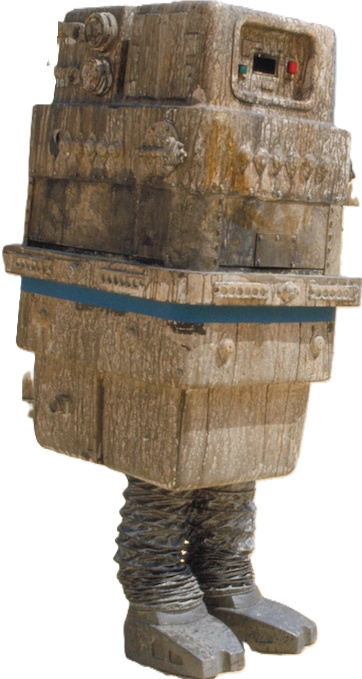
gnk droid
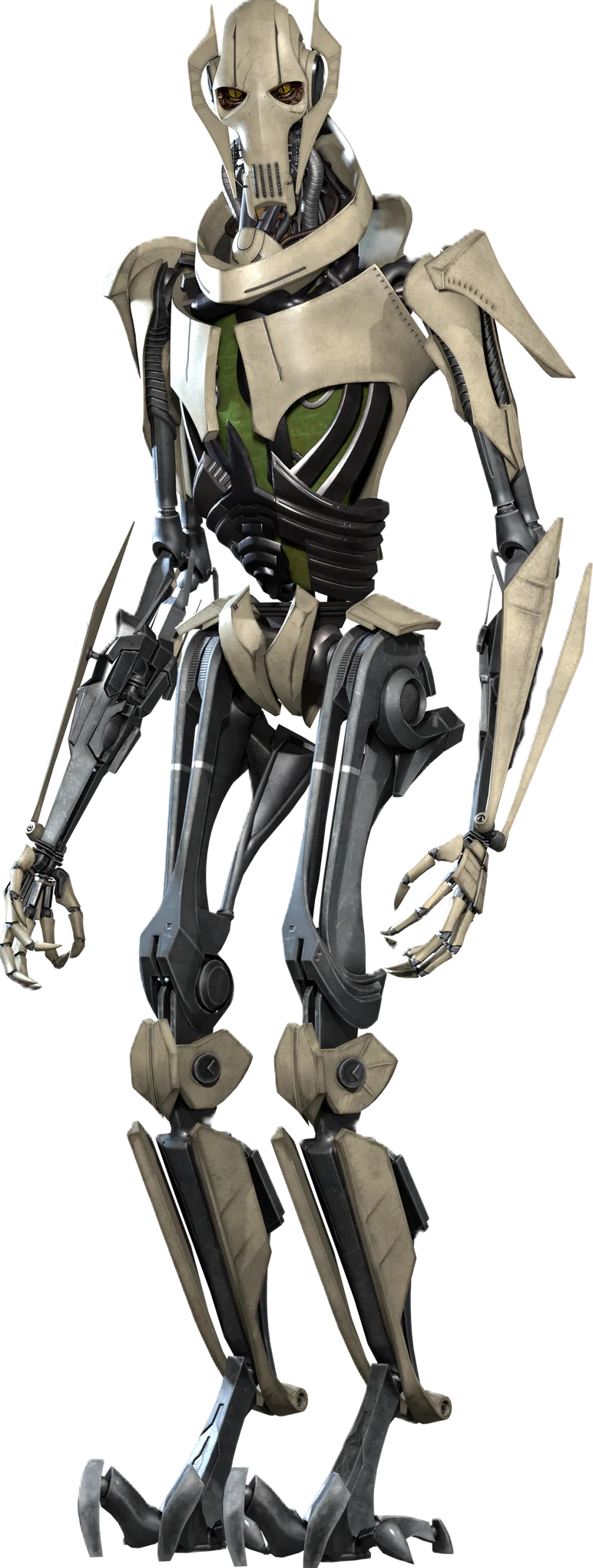
greivous
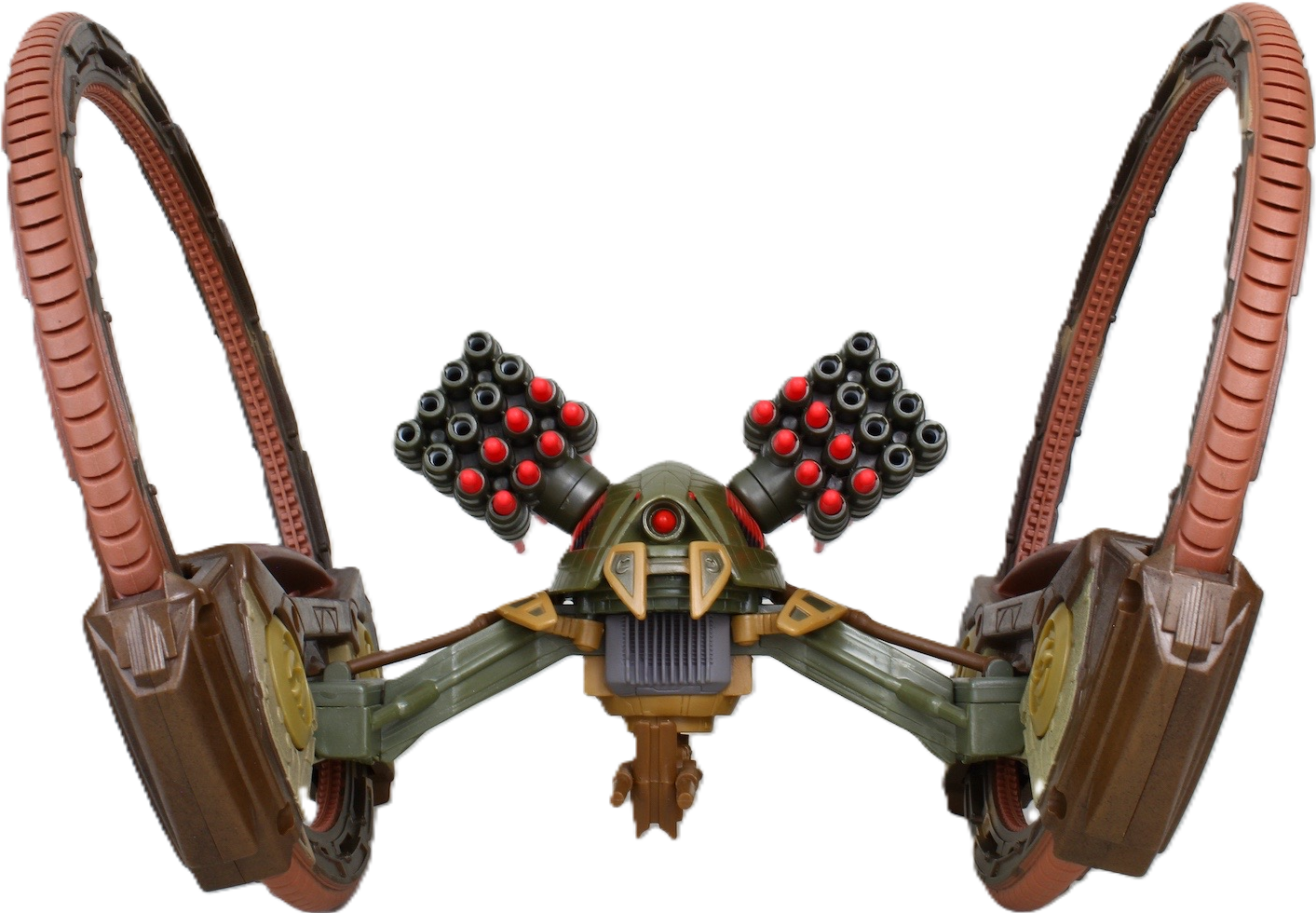
hailfire droid
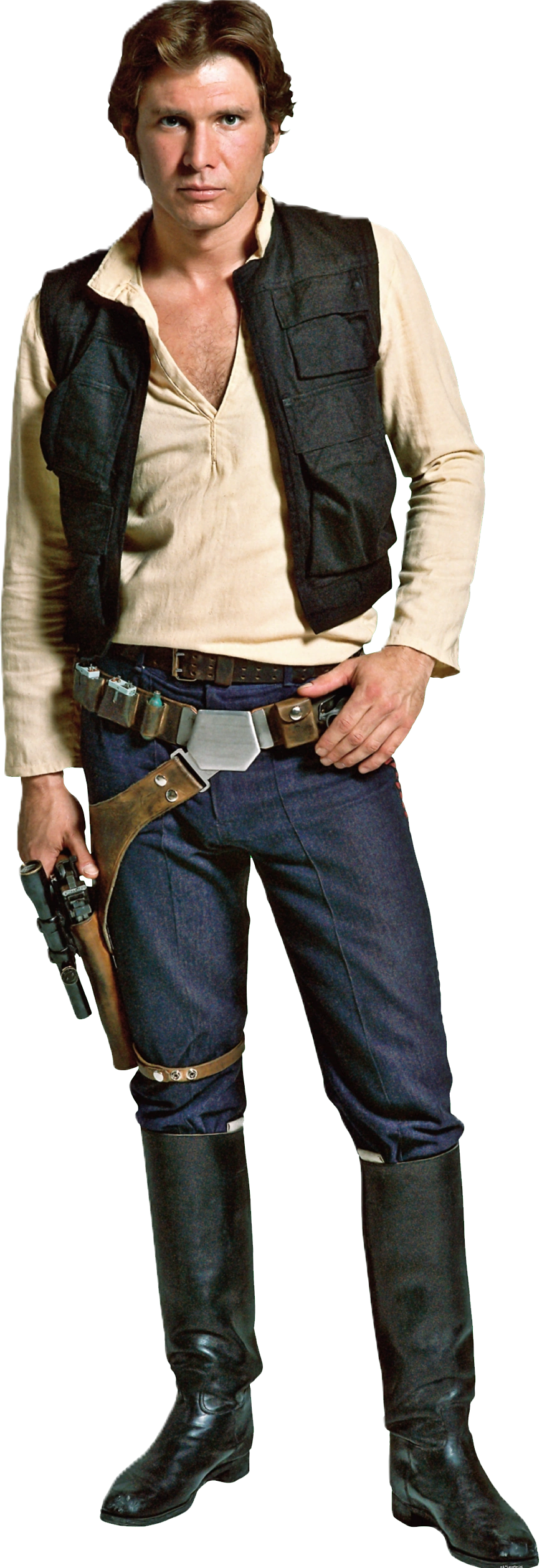
han solo
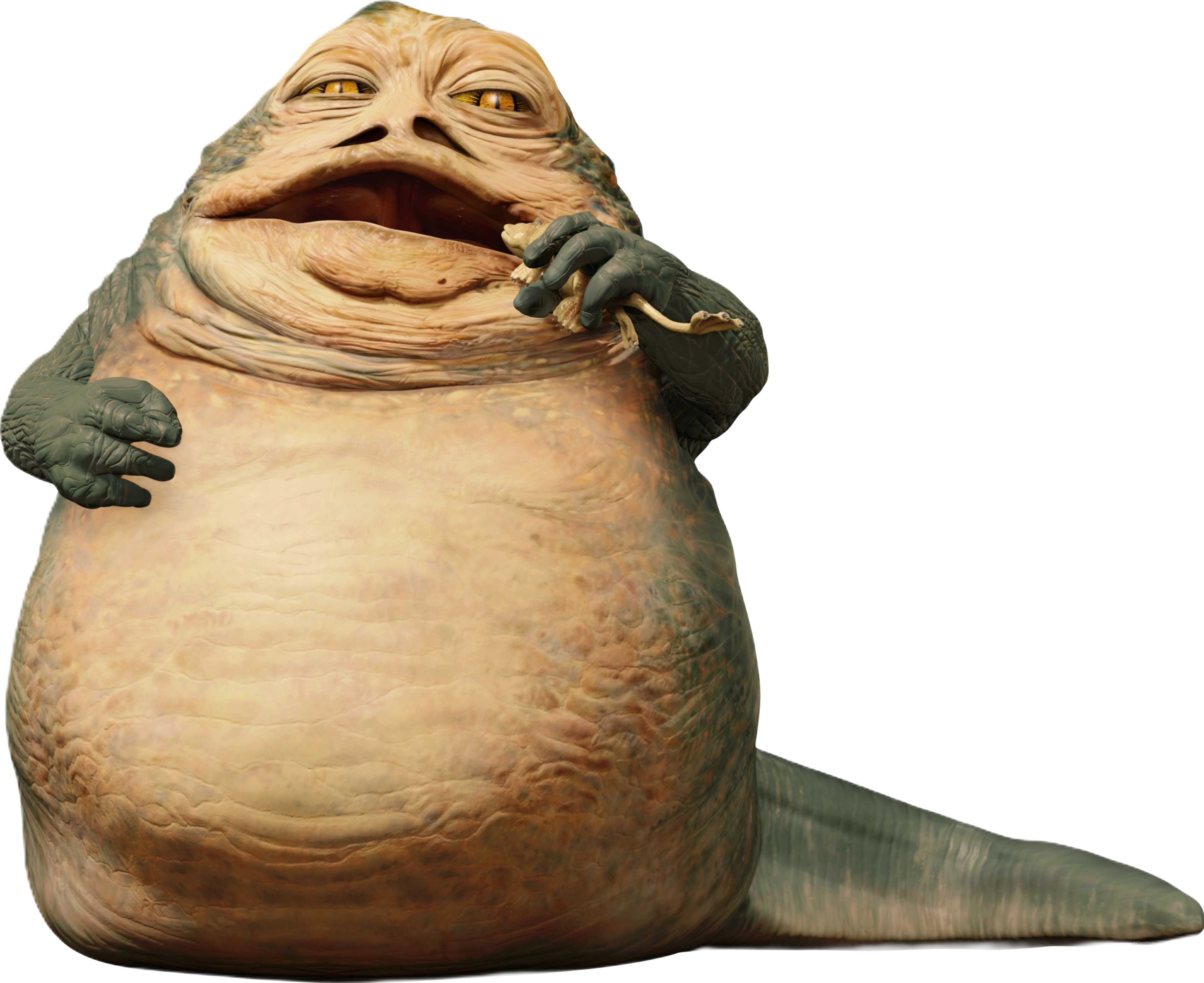
jabba the hutt
Popular Películas Comparisons
Compare these figures side-by-side with mathematically aligned scale.
Amitabh Bachchan vs Aamir Khan
Compare the dramatic height difference between Indian cinema legend Amitabh Bachchan (188 cm / 6'2") and Aamir Khan (165 cm / 5'5") on a shared floor baseline.
Dwayne Johnson vs Horse
Visual comparison between Dwayne "The Rock" Johnson (196 cm / 6'5") and a standard riding horse (160 cm at withers).
Average Adult Male vs Elephant
Compare a massive African bush elephant (320 cm shoulder height) with an average adult human (176 cm). Experience true megafauna proportions on scale.
Average Adult Male vs Sedan / Hatchback Car
Visual height comparison between an average adult human (176 cm) and a standard passenger sedan/crossover car (150 cm roofline).
Average Adult Male vs Dog
See how an average adult human (176 cm) compares visually to a standard domestic dog (60 cm withers) on a shared floor baseline with accurate proportions.
Average Adult Male vs Standard Door
Compare an average adult human (176 cm / 5'9") against a standard interior residential door frame (210 cm / 6'11") on a true architectural baseline.
Explore Related Categories
Discover complementary categories to expand your height perspective.
Celebridades
Compare actors with their on-screen character statures
Anime
Compare manga icons with cinematic comic heroes
Personajes Ficticios
Explore fantasy creatures and world-building figures
Películas Height Comparison FAQ
Common questions and reference measurement data.
Do film heights include armor, helmets, and boots?
Sometimes, and that is exactly why the distinction matters. Darth Vader's 203 cm is the armored figure complete with helmet and life-support suit, while Anakin Skywalker underneath is a much shorter man. Iron Man's 198 cm is the Mark 85 armor, not Tony Stark, who is 185 cm. This page labels armor figures as armor figures, so you are never comparing a suit with a barefoot human by accident.
Why is Wolverine 188 cm here when the comics say 160 cm?
Because this is the film category, and the films cast Hugh Jackman, who is 188 cm, as Wolverine. The comics list Logan at 160 cm, and that figure is correct for the printed character. The two numbers describe two different versions of the character, and the film version is the one that belongs on a film comparison page. Mixing continuities is the single most common source of wrong film heights.
Why do Godzilla and King Kong change height between films?
Because each film's production team sets its own scale. Kong is 104 ft as an adolescent in Kong: Skull Island in 2017 and 337 ft as a fully grown adult in Godzilla vs. Kong in 2021, and the growth is part of the story: he is still maturing in the earlier film. Godzilla likewise grew from 108 m in 2014 to 119.8 m in the 2021 film. A creature's height is only meaningful with the film title attached, which is why every creature entry here names its film.
Are CGI creature heights real measurements or guesses?
They are production decisions recorded in scale charts. Before a single frame is rendered, the visual effects team agrees how tall a creature is relative to buildings, vehicles, and human characters, because every shot depends on that ratio. Transformers' production scale charts list the live-action Optimus Prime at 28 ft, and Avatar's production material defines adult Na'vi as 9-10 ft tall. These numbers are no less official than a costume measurement; they are simply decided on paper before they appear on screen.
Can I compare film characters with real people and objects on the tool?
Yes, and that is where the tool earns its keep. Place Chewbacca at 228 cm beside a 175 cm average man and the Wookiee's advantage stops being a vague impression and becomes a 53 cm gap you can see. Place Godzilla beside a skyscraper and the reason kaiju films frame their monsters against city skylines becomes obvious: at 119.8 m, Godzilla is a building that moves.