Animais Comparador de Altura
Compare a altura na cernelha e de pé de animais selvagens, cães, grandes felinos e megafauna em relação a escalas humanas.
Área de Comparação
3 ItemsAccurate, proportional visual comparison for humans and animals on an aligned baseline.
Comparison Summary
Overview of all active comparison items
| Name | Category | Type / Details | Height (Imperial) | Height (Metric) | Relative Diff |
|---|
How Animais Heights Are Measured
Reference Anchor: Shoulder / Withers height for quadrupeds; Crown for bipeds
Four-legged mammals are measured from level ground to the withers, the bony ridge between the shoulder blades, because the withers stay at a fixed height while the head constantly moves up, down, and sideways. Horses keep the same withers standard but express it in hands, where one hand equals 4 inches (10.16 cm), so a 160 cm horse is 15.3 hands. Upright animals such as kangaroos and gorillas are instead measured to the crown of the head, and giraffes to the tips of their ossicones, because those animals have no meaningful withers line. Head height is never used for quadrupeds: a grazing horse, an alert deer, and a charging elephant all hold their heads at wildly different heights, so a head-based number would describe a pose, not an animal.
Common Reference Heights in Animais
| Subject / Benchmark | Metric Height | Imperial Height | Context & Measurement Note |
|---|---|---|---|
| Domestic Cat | 25 cm | 10 in | Ground to shoulder withers, typical adult |
| Domestic Dog | 60 cm | 1'11" | Ground to withers; varies greatly by breed |
| Grey Wolf | 80 cm | 2'7" | Ground to withers, adult |
| Tiger | 110 cm | 3'7" | Ground to shoulder, adult |
| African Lion | 120 cm | 3'11" | Ground to shoulder withers, adult male |
| Brown Bear | 130 cm | 4'3" | Shoulder height on all fours; stands taller on hind legs |
| Cow | 140 cm | 4'7" | Ground to shoulder withers, adult |
| Red Kangaroo | 150 cm | 4'11" | Upright standing height to head |
| Gorilla | 160 cm | 5'3" | Standing height to crown of head |
| Domestic Horse | 160 cm | 5'3" | Withers measurement, 15.3 hands |
| Camel | 200 cm | 6'7" | Top of shoulder; the hump can rise higher |
| African Bush Elephant | 320 cm | 10'6" | Adult bull shoulder height |
| Giraffe | 480 cm | 15'9" | Ground to ossicone tips, typical adult |
Understanding Animais Heights
Why animal heights are harder to pin down than human heights
A human stands upright, stays still for a tape measure, and keeps the same height from morning to night, which makes human measurement almost trivial. Animals refuse to cooperate in every possible way: they move, they crouch, they rear, they graze, and their bodies are built horizontally rather than vertically, so the very idea of "height" has to be defined before it can be measured. That definition is what makes animal comparison interesting, because a single animal can legitimately carry two or three different heights depending on posture, and each one tells a different story about how the animal lives.
The withers standard exists precisely to cut through that ambiguity. The withers are the ridge of bone where the neck meets the back, and unlike the head they cannot be raised or lowered at will. A horse that drops its head to drink and a horse that tosses its head in alarm have the same withers height, which is why breed registries, veterinary records, and wildlife surveys all anchor on it. When you see a quadruped on the comparison chart, its back line sits at its withers height, and its head and ears rise above that line naturally, just as they do in real life.
How measurement works in practice, and where it goes wrong
Measuring a calm animal is straightforward: stand it on level ground, find the highest point of the shoulder blades, and drop a vertical line to the floor. Measuring a wild or uncooperative one is a different job, and researchers often estimate from tracks, photographs with a known reference object, or skeletal remains. That is why published heights for the same species often disagree by 10 cm or more, and why the tool uses typical adult values rather than record-breaking extremes. A record elephant or an exceptionally tall giraffe is a curiosity, not a representative animal, and comparing yourself to an outlier distorts the picture.
The most common error is mixing postures. A bear's shoulder height on all fours and its standing height on hind legs differ by more than a meter, and both figures circulate online without labels. The same trap catches elephants, where shoulder height is sometimes confused with head height, and camels, where the hump can sit 30 cm above the shoulder line. The tool avoids this by fixing one posture per animal and stating it in the label, so a comparison between a bear and a human is always an apples-to-apples one.
Extremes that reframe what tall means
The animal kingdom stretches the human sense of scale in both directions. At one end, a domestic cat at 25 cm at the shoulder barely reaches an adult's ankle, and the entire animal fits under a coffee table. At the other end, a giraffe at 480 cm is nearly three average humans stacked, and its legs alone are about as tall as a person. Between those poles sit the animals people actually meet: dogs, horses, and cows, whose withers heights cluster between 60 and 160 cm, right in the range where a human can judge them at a glance.
What surprises most people is how much of a tall animal's height is leg. A giraffe's legs are roughly 1.8 m long, which means the animal is already human-height before its body even starts, and its neck adds another 1.8 m on top. Elephants invert the pattern: their legs are comparatively short and column-like, and their bulk comes from a massive torso sitting high off the ground. Seeing both animals beside a human on the same baseline makes the difference obvious in a way numbers alone never do.
Common misconceptions, and how to use the tool well
The most persistent misconception is that a horse's height includes its head. It does not, and a horse whose withers measure 160 cm will carry its head well above 200 cm when alert, which is why people who meet a horse in person often insist the published height is wrong. The same logic applies to deer, where antlers are excluded, and to dogs, where ears are excluded. The chart is honest about this: it draws the animal's body to its measured height and lets the head extend above the line.
To get the most from the tool, start with a human figure you know, add one animal at a time, and watch the baseline rather than the tops of the drawings. Compare a horse to a human, then add a lion to see how a big cat's shoulder sits below a horse's, then add an elephant to see the jump to true megafauna scale. If you want to compare a specific animal, such as your own dog, measure its withers with a level and a wall, enter that exact number as a custom height, and the chart will show you precisely where your dog sits against everything else.
Verified Animais Catalog
Accurately scaled vector and raster figures ready for side-by-side comparison.
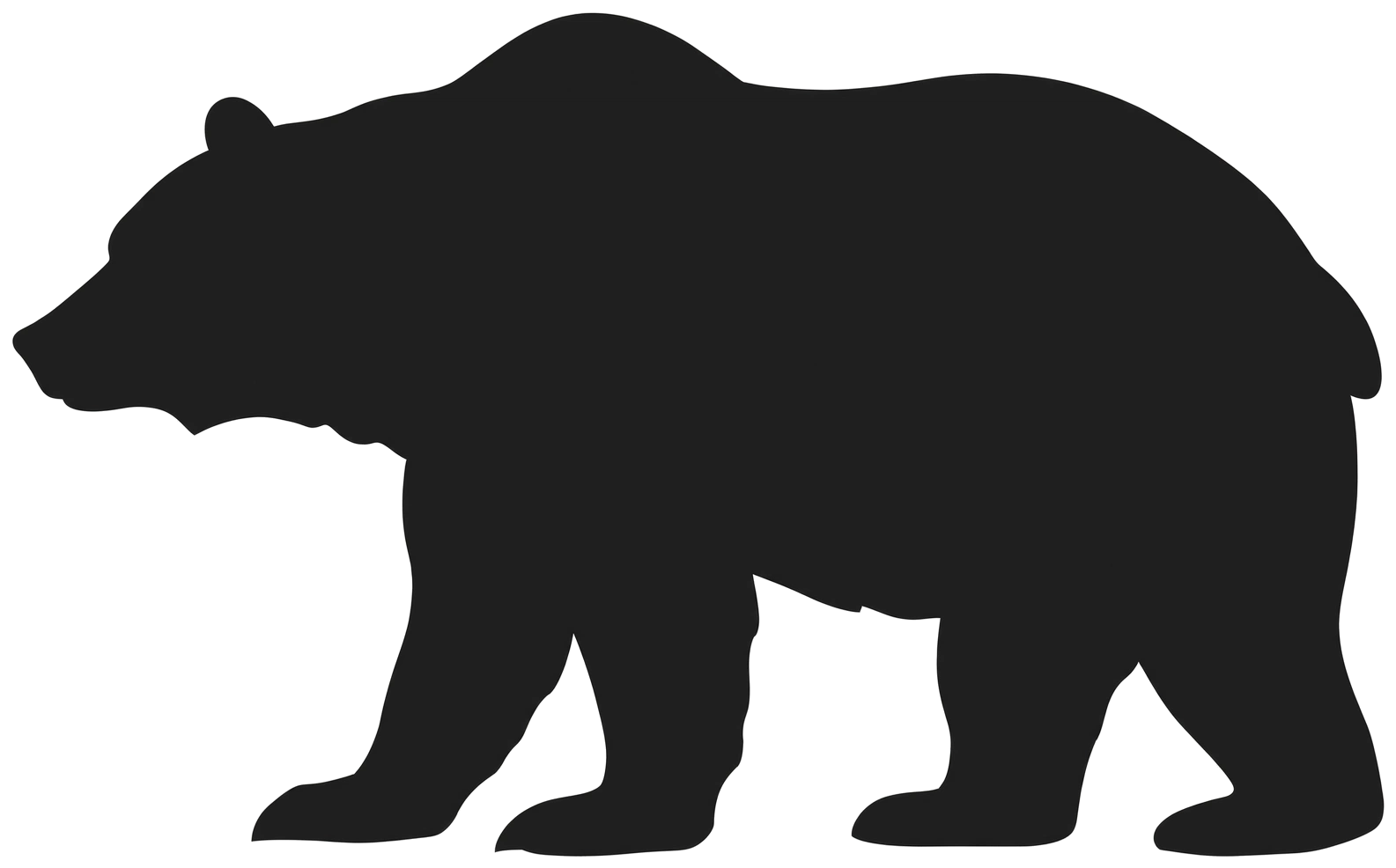
Grizzly Bear
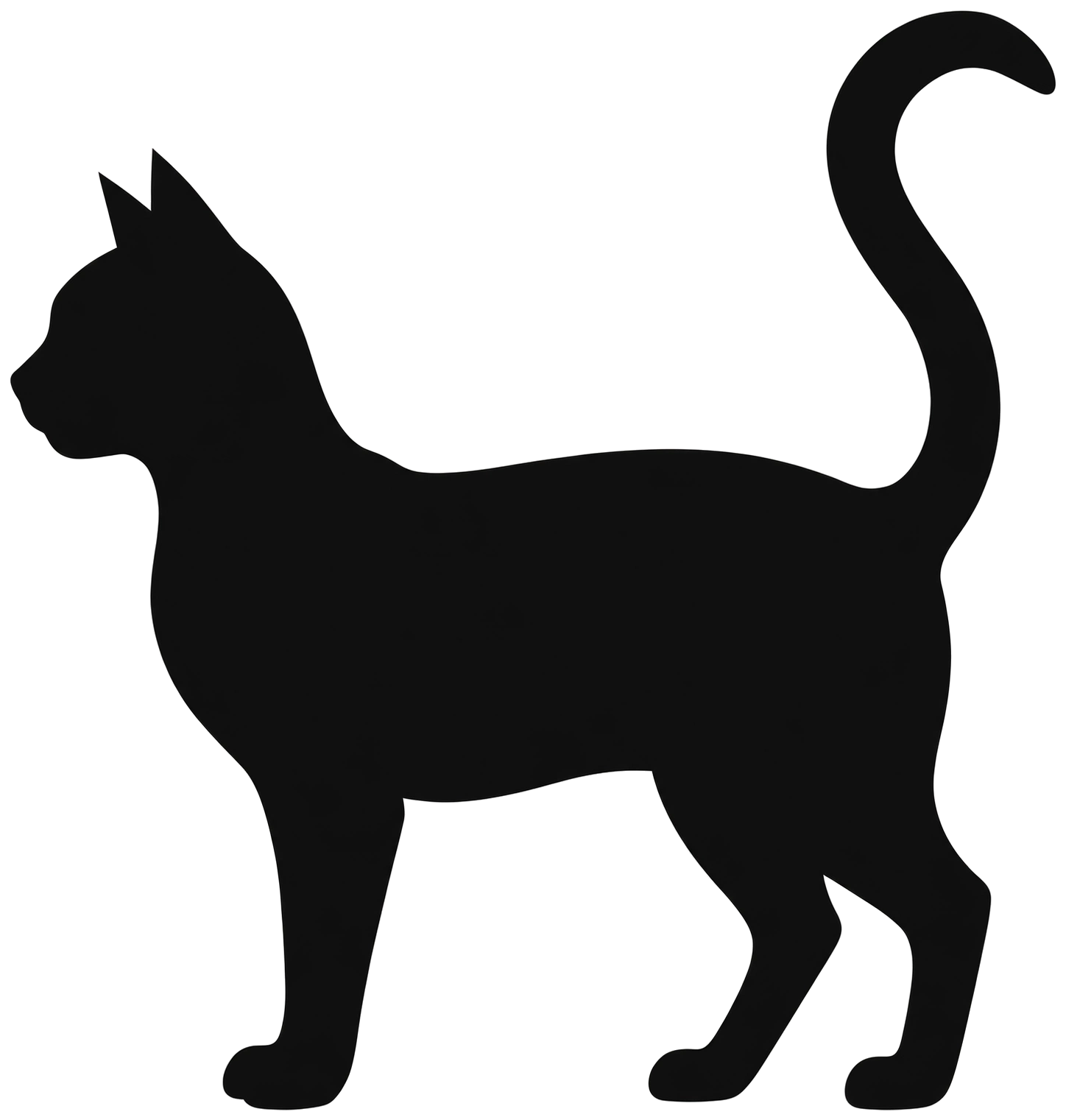
Domestic Cat
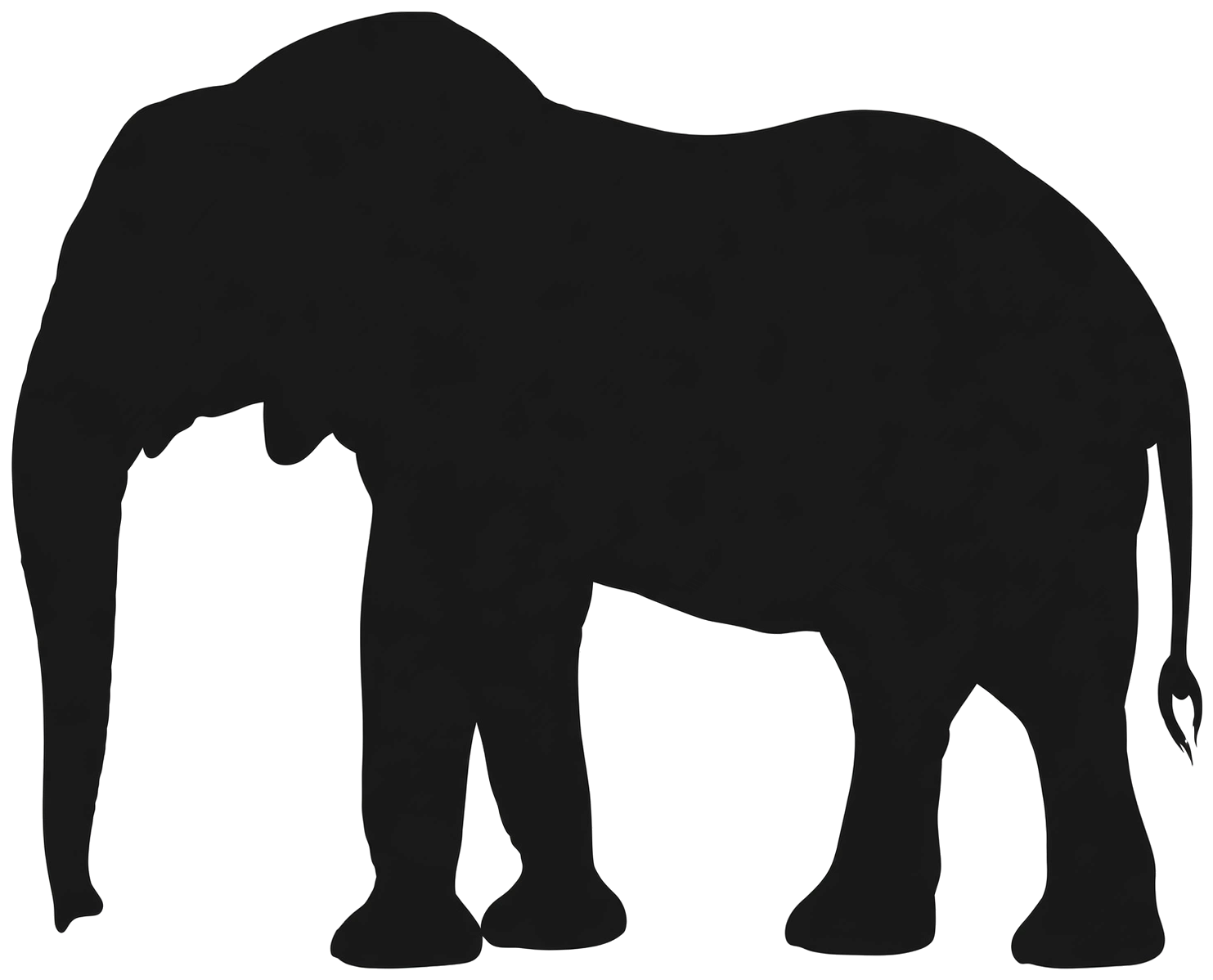
African Elephant
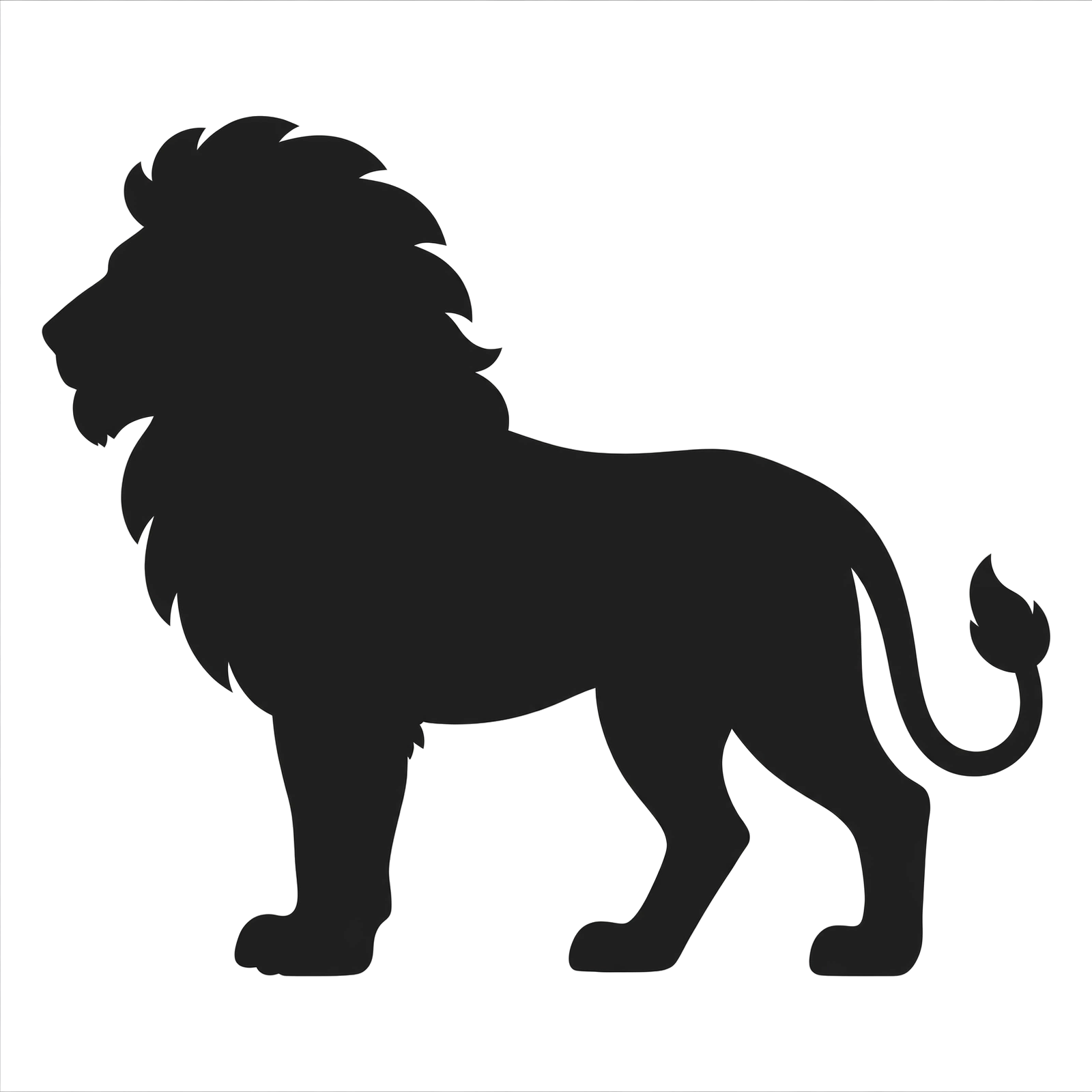
Lion
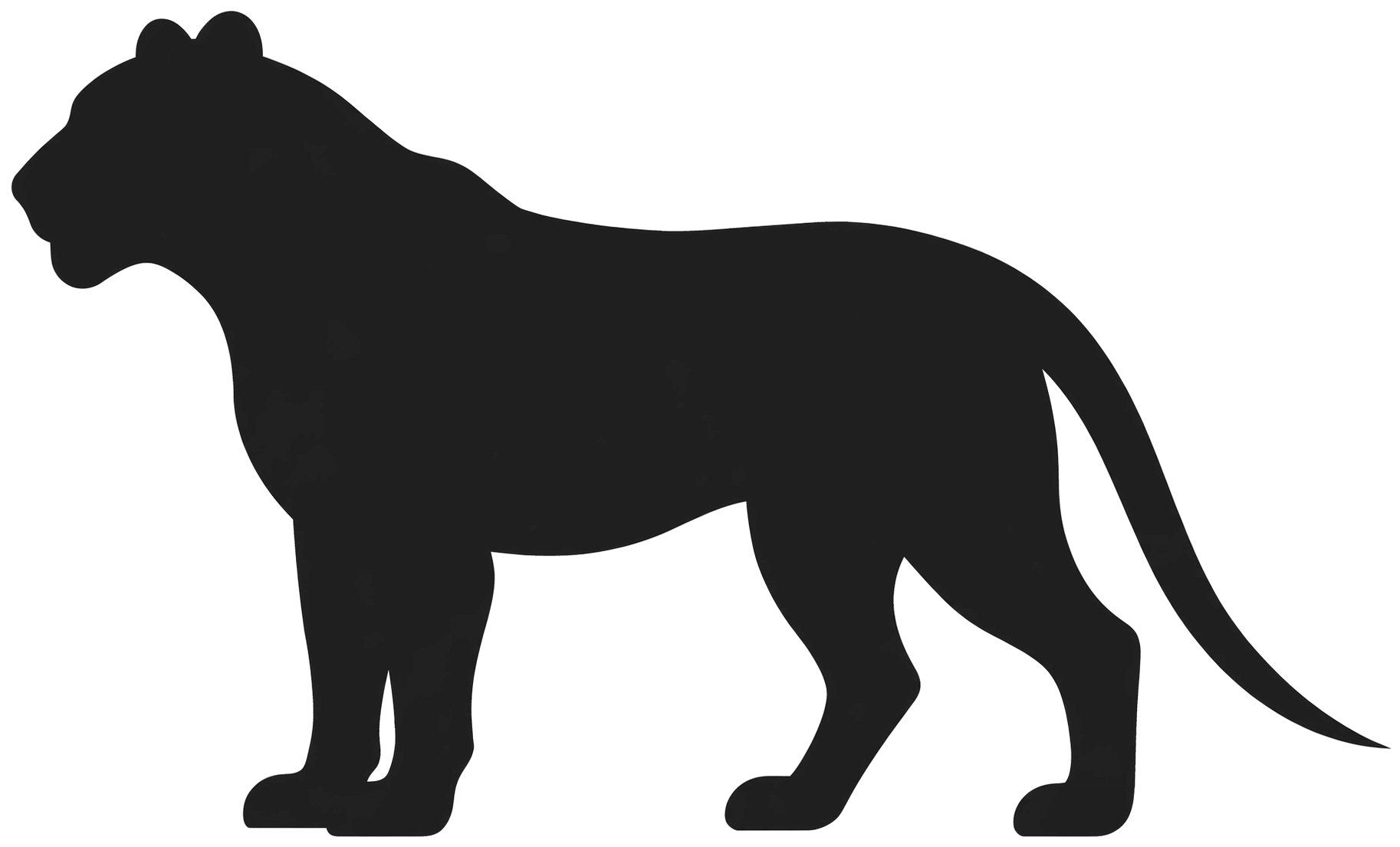
Bengal Tiger
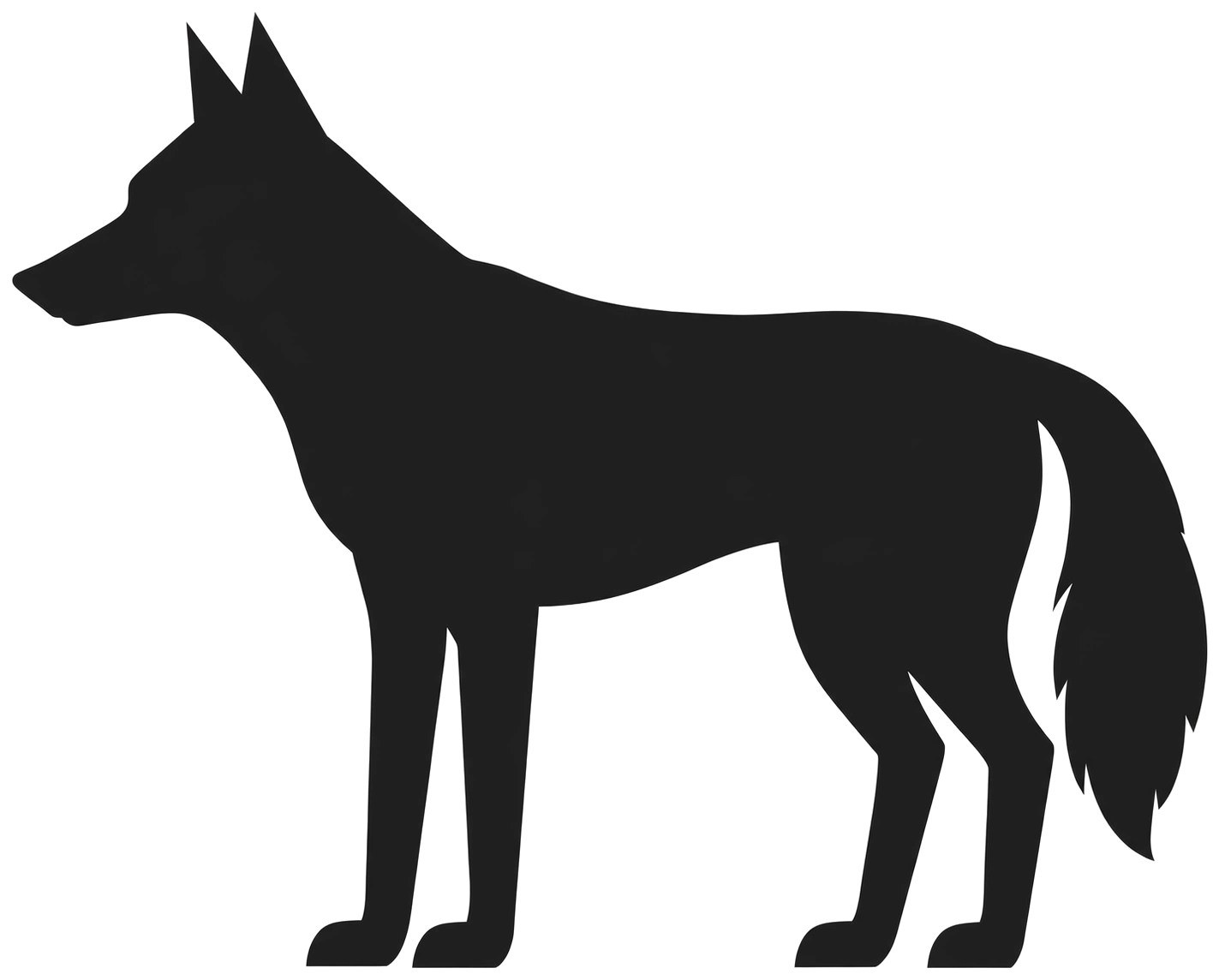
Gray Wolf
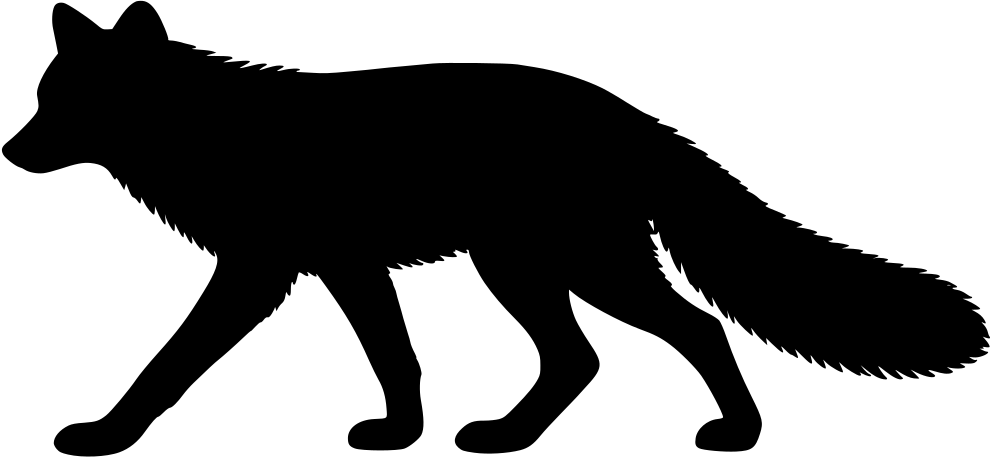
Arctic Fox
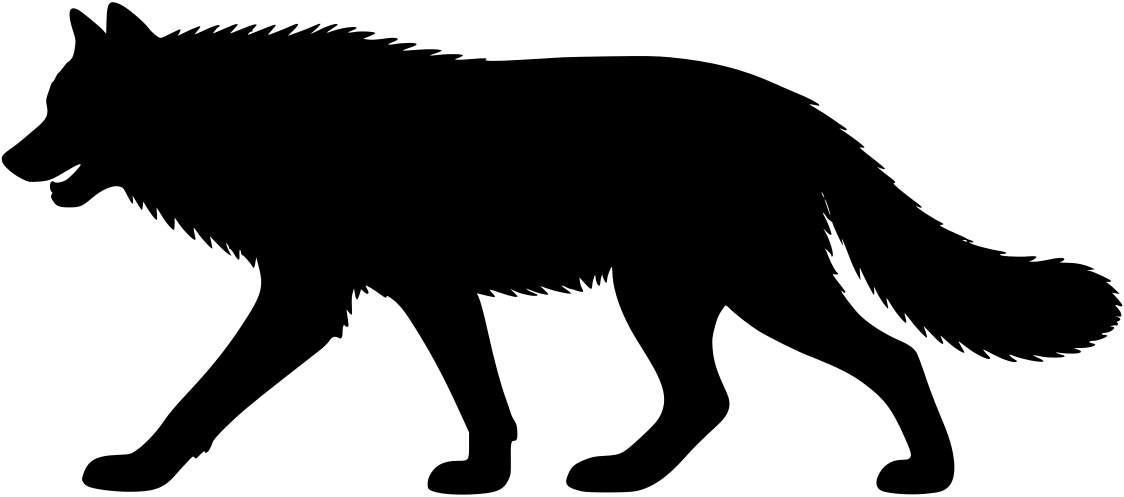
Arctic Wolf
Big Cats
British Shorthair Cat
Cat
Cat 2
Cat 3
Cat 4
Cat 5
Cat 6
Cat 7
Cheetah
Cougar
Coyote
Dog
Dog 10
Dog 2
Dog 3
Dog 4
Dog 5
Dog 6
Dog 7
Dog 8
Dog 9
Domestic Cat
Golden Cat
Popular Animais Comparisons
Compare these figures side-by-side with mathematically aligned scale.
Amitabh Bachchan vs Aamir Khan
Compare the dramatic height difference between Indian cinema legend Amitabh Bachchan (188 cm / 6'2") and Aamir Khan (165 cm / 5'5") on a shared floor baseline.
Dwayne Johnson vs Horse
Visual comparison between Dwayne "The Rock" Johnson (196 cm / 6'5") and a standard riding horse (160 cm at withers).
Average Adult Male vs Elephant
Compare a massive African bush elephant (320 cm shoulder height) with an average adult human (176 cm). Experience true megafauna proportions on scale.
Average Adult Male vs Sedan / Hatchback Car
Visual height comparison between an average adult human (176 cm) and a standard passenger sedan/crossover car (150 cm roofline).
Average Adult Male vs Dog
See how an average adult human (176 cm) compares visually to a standard domestic dog (60 cm withers) on a shared floor baseline with accurate proportions.
Average Adult Male vs Standard Door
Compare an average adult human (176 cm / 5'9") against a standard interior residential door frame (210 cm / 6'11") on a true architectural baseline.
Explore Related Categories
Discover complementary categories to expand your height perspective.
Animais Height Comparison FAQ
Common questions and reference measurement data.
Why are animals measured at the shoulder or withers instead of the head?
The withers are a fixed skeletal landmark, the highest point of the shoulder blades, and they do not move when the animal grazes, looks around, or lowers its head. Head height can change by tens of centimeters from one second to the next, so it cannot serve as a repeatable standard. Every veterinary record, breed standard, and zoo measurement for a quadruped therefore uses the withers, which is why the comparison tool draws quadrupeds to that line.
How are horses measured, and what is a hand?
Horses are measured at the withers in hands, a traditional unit equal to 4 inches or 10.16 cm. A horse described as 15.3 hands is 15 full hands plus 3 inches, which works out to 160 cm. The tool shows both units, so a horse listed at 160 cm and a horse listed at 15.3 hands are the same height expressed two ways.
Why is a bear's height confusing, and which number should I trust?
A bear walks on all fours at roughly 130 cm at the shoulder, but the same animal rears up to around 2.5 m on its hind legs, so both numbers are real and they describe different postures. The comparison tool uses the all-fours shoulder height as the default because it is the animal's normal travelling posture and the only one comparable with other quadrupeds. If you want the rearing height, compare it against a standing human instead.
Do giraffes really get most of their height from their necks?
Only partly. A giraffe's legs and neck are each about 1.8 m long, so the legs alone are already as tall as an average adult human before the body and neck are added. The neck adds roughly another third of the animal's total height, and it contains just seven vertebrae, the same number as a human neck, with each vertebra stretched to over 25 cm. That is why a giraffe looks so extreme on the chart: it is two human-height structures stacked on top of each other.
Why do dog heights vary so much between breeds?
Dogs are the most size-variable land mammal because centuries of selective breeding stretched one species from a 15 cm Chihuahua to a 110 cm Great Dane at the shoulder. A single "dog height" is therefore only a rough middle value, and the tool's 60 cm figure is a mid-sized dog, not a breed standard. For an exact comparison, enter a specific breed's withers height as a custom height instead of relying on the generic dog figure.