काल्पनिक पात्र ऊंचाई तुलना
एक एकीकृत गणितीय स्थान में पौराणिक कथाओं, कॉमिक नायकों, राक्षसों और काल्पनिक आंकड़ों की तुलना करें।
तुलना कैनवास
3 ItemsAccurate, proportional visual comparison for humans and animals on an aligned baseline.
Comparison Summary
Overview of all active comparison items
| Name | Category | Type / Details | Height (Imperial) | Height (Metric) | Relative Diff |
|---|
How काल्पनिक पात्र Heights Are Measured
Reference Anchor: Canonical Franchise Lore & World-Building Archives
Fictional heights come from the canon source for one specific version of the character: a franchise databank, a licensed sourcebook, or a tabletop rulebook such as the Dungeons and Dragons Monster Manual, which usually states an average for a creature type rather than an exact figure for an individual. The same character often has different official heights across adaptations, because films rescale creatures for the story, games rebalance them, and new editions revise old numbers. This page uses one stated figure per version and names that version, so a comparison always shows which Kong or which Godzilla you are looking at.
Common Reference Heights in काल्पनिक पात्र
| Subject / Benchmark | Metric Height | Imperial Height | Context & Measurement Note |
|---|---|---|---|
| Yoda | 66 cm | 2'2" | Star Wars Databank: 0.66 m |
| Hobbit (average) | 107 cm | 3'6" | Tolkien's Lord of the Rings prologue: average hobbit height of 3 ft 6 in |
| Gandalf | 168 cm | 5'6" | Tolkien's late notes: the wizard stood at least 5 ft 6 in |
| Legolas | 183 cm | 6'0" | Tolkien character guides: the elf stands about 6 ft |
| Aragorn | 198 cm | 6'6" | Tolkien's notes, cited in The Lord of the Rings: A Reader's Companion |
| Darth Vader (armored) | 203 cm | 6'8" | Star Wars Databank: 2.03 m in full armor |
| Chewbacca | 228 cm | 7'6" | Star Wars Databank: 2.28 m |
| Hill Giant (D&D 5e) | 488 cm | 16'0" | Smallest of the true giants, averaging 16 ft |
| Frost Giant (D&D 5e) | 640 cm | 21'0" | Averaging 21 ft in the 5e giant ranking |
| Cloud Giant (D&D 5e) | 732 cm | 24'0" | 24 ft in the 5e giant ranking |
| King Kong (1933, New York) | 732 cm | 24'0" | Scaled to 24 ft in the New York scenes (18 ft on Skull Island) |
| Storm Giant (D&D 5e) | 792 cm | 26'0" | Tallest of the true giants, averaging 26 ft |
| King Kong (Skull Island, 2017) | 3170 cm | 104'0" | Adolescent Kong, 104 ft tall |
| Godzilla (2014) | 10800 cm | 354'4" | 108 m tall in the 2014 film |
Understanding काल्पनिक पात्र Heights
Why fictional heights are never just one number
Ask how tall King Kong is and you have not asked a complete question, because there is no single King Kong. The 1933 ape was scaled to 18 feet while on Skull Island and 24 feet once he was loose in New York, since the filmmakers wanted him to read larger against skyscrapers than against jungle trees. The 2017 Kong was set at 104 feet, partly because he was written as an adolescent still growing, and partly because the studio already knew he would one day have to fight a Godzilla of over 100 metres. Godzilla himself has grown across his own history, from 50 metres in the original 1954 film to 108 metres in the 2014 film and roughly 120 metres in later MonsterVerse entries. Each of these numbers is official for its own version, and each contradicts the others, which is exactly why fictional height is a cataloguing problem rather than a measuring problem.
The same instability shows up in quieter places. A character described in prose as "tall" can be drawn short by one comic artist and towering by the next, and a tabletop game can revise a creature's size when a new edition rebalances the game. Fans argue about these differences endlessly, but the arguments usually miss the real point: fictional height is a design decision, not a physical fact. A director makes a monster bigger when the scene needs more threat, a game designer makes a giant smaller when a dungeon needs to fit it through a door, and an author leaves a height vague when the mystery matters more than the measurement. Understanding that is the first step to comparing fictional characters sensibly.
Canon sources: who decides how tall a character is
The answer depends on the franchise, and the franchises fall into three rough groups. The first group publishes precise official figures: the Star Wars Databank lists Yoda at 0.66 m, Darth Vader at 2.03 m in armor, and Chewbacca at 2.28 m, and those numbers are treated as continuity. When a source like that exists, there is little room for debate, though there is still room for confusion, since the armored figure and the unarmored actor are different numbers and fans often mix them up. The second group gives averages for a kind rather than a figure for an individual: the Dungeons and Dragons tradition describes hill giants at around 16 feet, frost giants at 21, cloud giants at 24, and storm giants at 26, with the understanding that any particular giant may be taller or shorter. The third group never states a number at all, and the figure everyone quotes comes from an author's letter, a late note, or a companion book published years later.
Tolkien's work sits across all three groups, which makes it a good example of the problem. The Lord of the Rings prologue states the average hobbit height outright at 3 feet 6 inches, so that figure is solid. Aragorn's 6 feet 6 inches and Gandalf's 5 feet 6 inches come from Tolkien's own later notes and from the Reader's Companion, which is nearly as strong. Legolas at about 6 feet is a widely repeated guide figure rather than a line from the books, so it carries a little more uncertainty. A responsible comparison page should keep those distinctions visible instead of flattening every figure into the same level of confidence, because a reader who knows which numbers are rock solid and which are approximate will trust the page more, not less.
The extremes: from Yoda to Godzilla
The fictional category has the widest height range of any category on this site, and that range is its main attraction. At the small end, Yoda at 66 cm stands barely above a toddler's height, yet he is one of the most powerful figures in his universe, which is precisely the joke and the point of the character. A hobbit at 107 cm is not much taller, and the contrast between hobbit stature and hobbit courage is one of the engines of Tolkien's story. At the human end of the scale, Aragorn at 198 cm and Chewbacca at 228 cm are both recognisably person-shaped, which makes them good bridges: a reader can picture Aragorn, then picture Chewbacca beside him, and from there begin to grasp what a giant means.
Then the scale breaks open. A hill giant at 488 cm is already about three times the height of a human, and the giant ladder climbs steadily through frost, cloud, and storm giants until it reaches 792 cm, roughly the height of a two-storey house. King Kong at 104 feet in his 2017 version is about four times that again, and Godzilla at 108 metres is more than three times Kong's height on top of that. The interesting thing about this ladder is that each step was designed by someone thinking about the previous step: the storm giant is big compared with a human, Kong is big compared with a giant, and Godzilla is big compared with Kong. Stacking them on one canvas shows a chain of deliberate one-upmanship that no single number on its own can convey.
How to use the comparison tool for this category
The most useful fictional comparison is rarely fictional against fictional. Put a fictional character next to a human first, because the human is the unit your eye already understands, and the gap between them is the fact you are trying to learn. A storm giant beside an average man tells you more than a storm giant beside a cloud giant, because the man is familiar and the giant is not. Once that anchor is set, add a second fictional figure to see the relationship between the two inventions, and then, for the very large creatures, add a building or a vehicle as a middle rung so the eye has a path to climb.
Two habits make fictional comparisons much more reliable. First, always check which version you are comparing, since Kong alone has at least three official heights and Godzilla has several, and mixing versions silently produces nonsense. Second, remember that a rulebook figure is an average for a kind: your hill giant may be a foot taller or shorter than the 16-foot average, and that is not an error in the tool, it is how the source was written. Used with those two caveats, the canvas becomes something no paragraph can replace: a single picture of how invented worlds measure up against the real one.
Verified काल्पनिक पात्र Catalog
Accurately scaled vector and raster figures ready for side-by-side comparison.
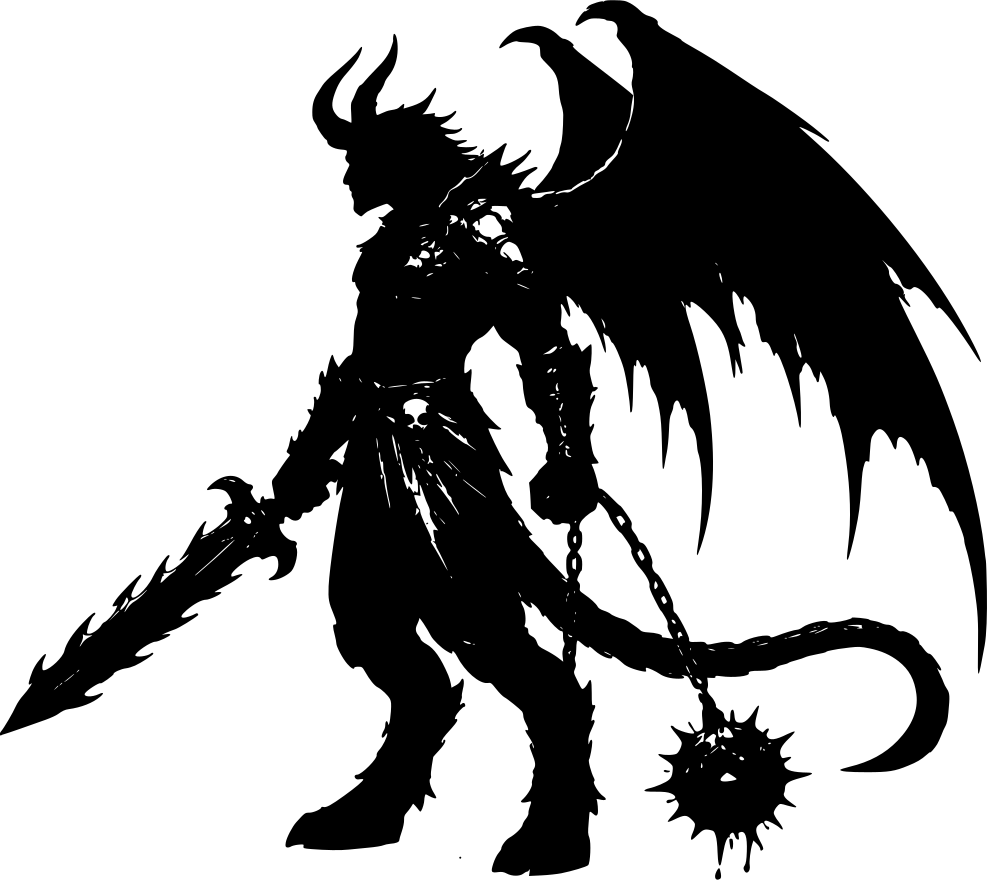
Abyss Demon
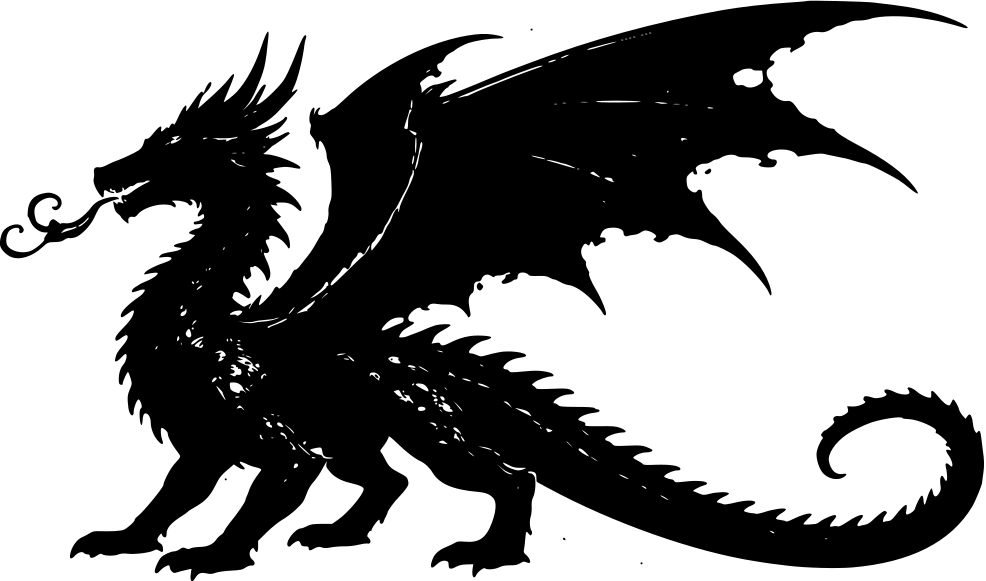
Ancient Dragon
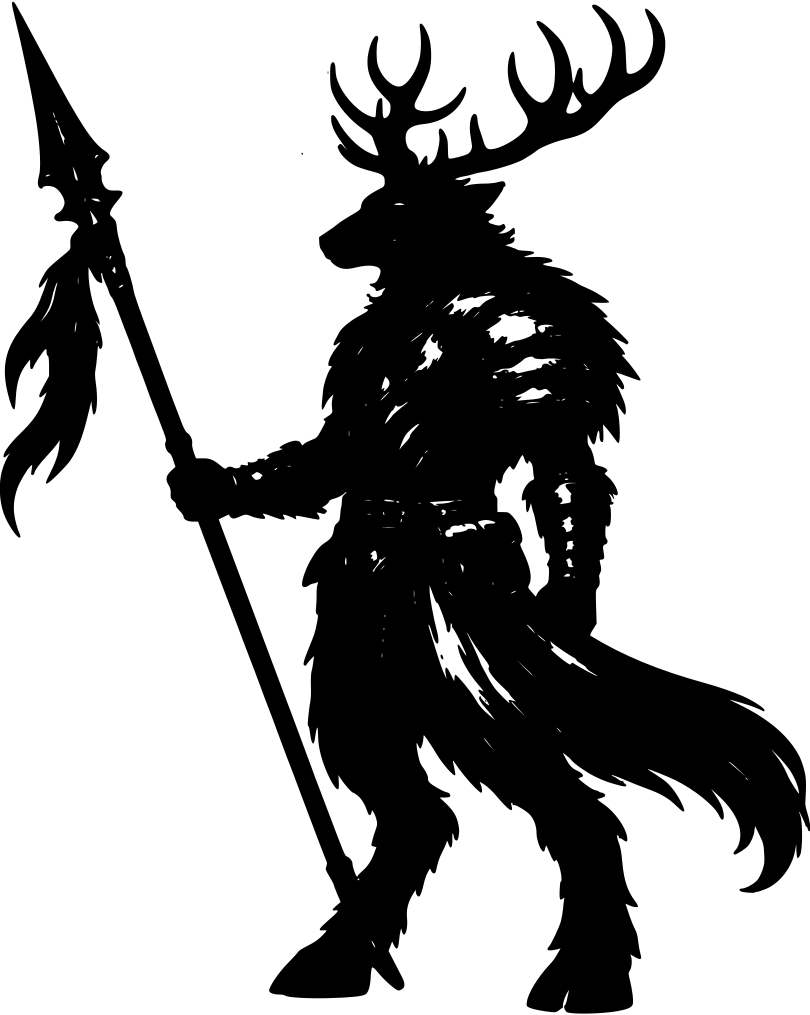
Antler Man
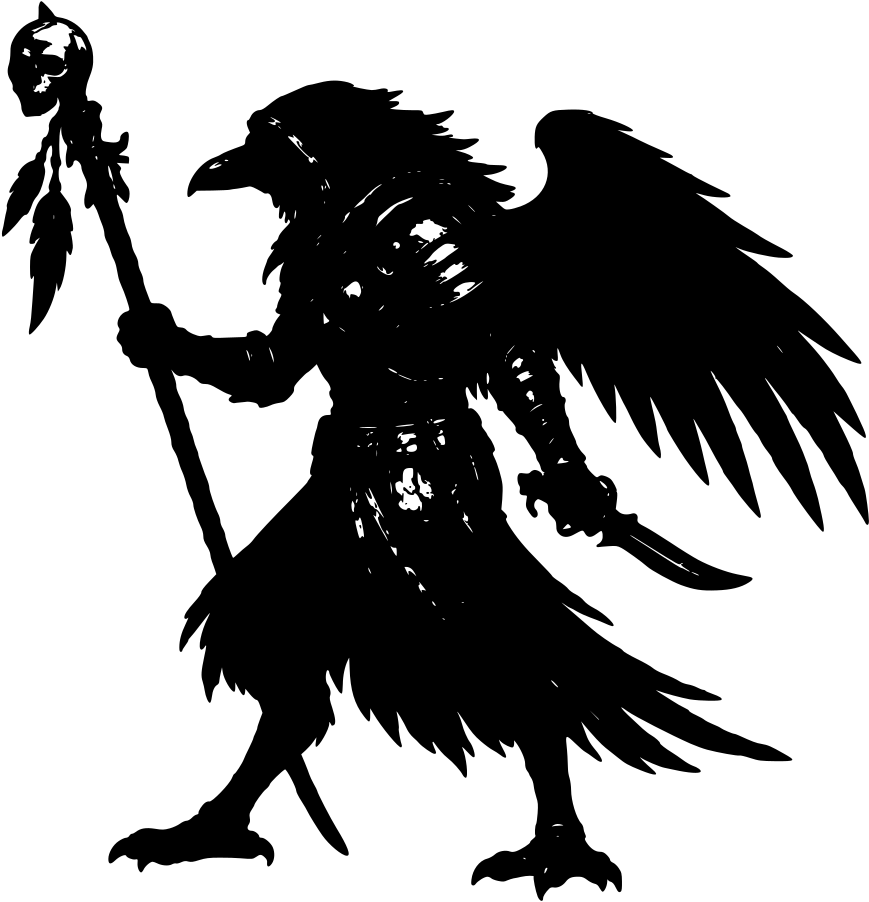
Arakkoa
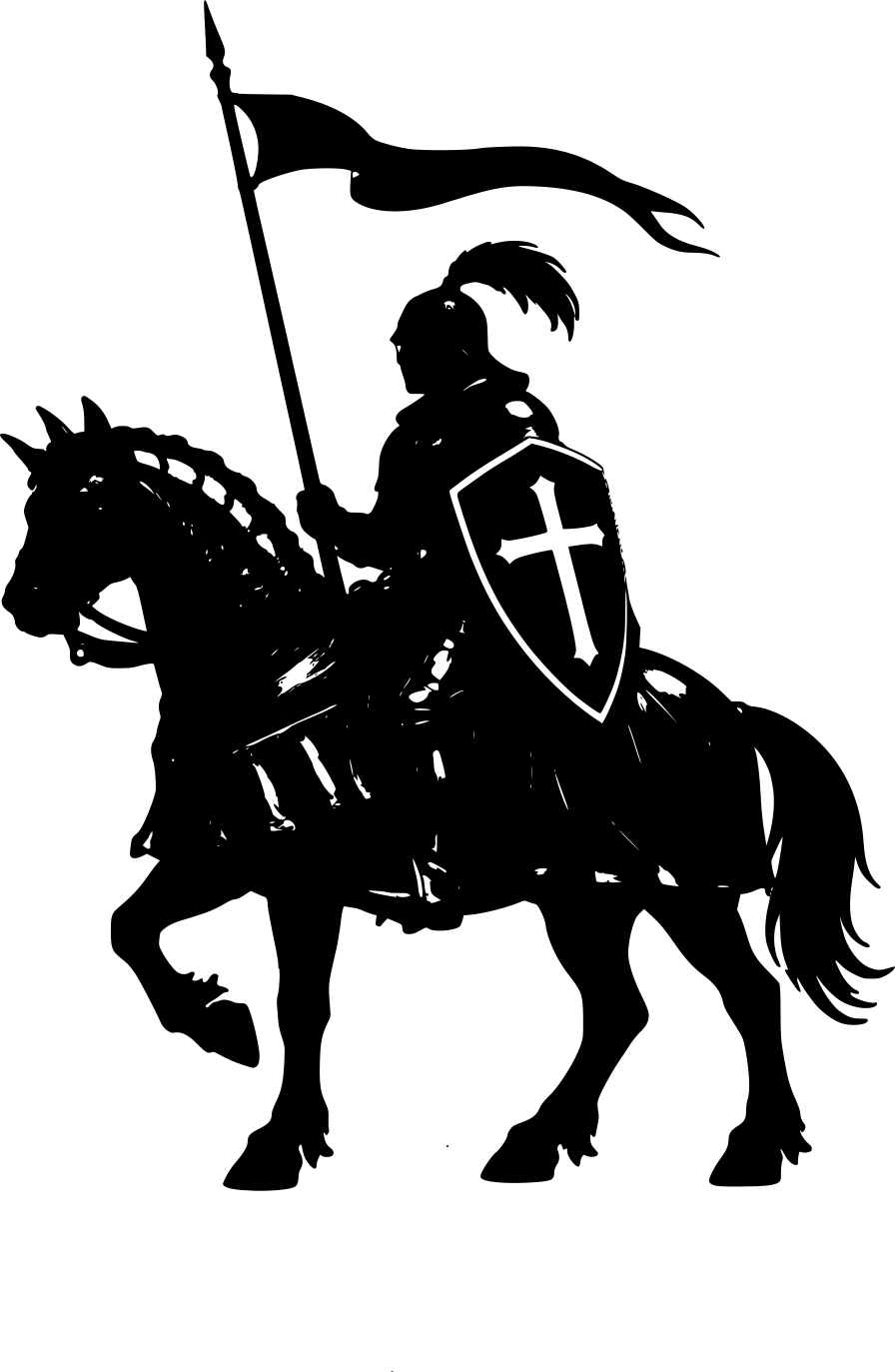
Armored Knight
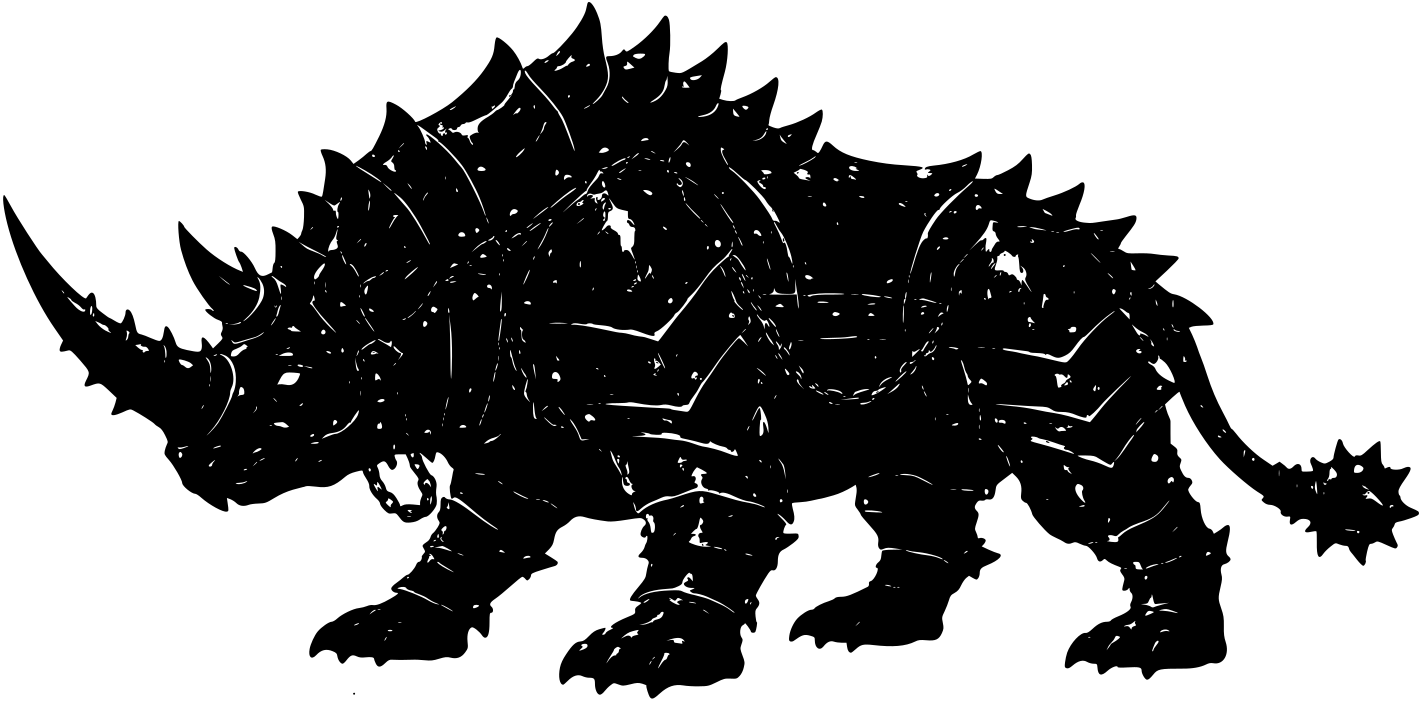
Armored Rhinoceros
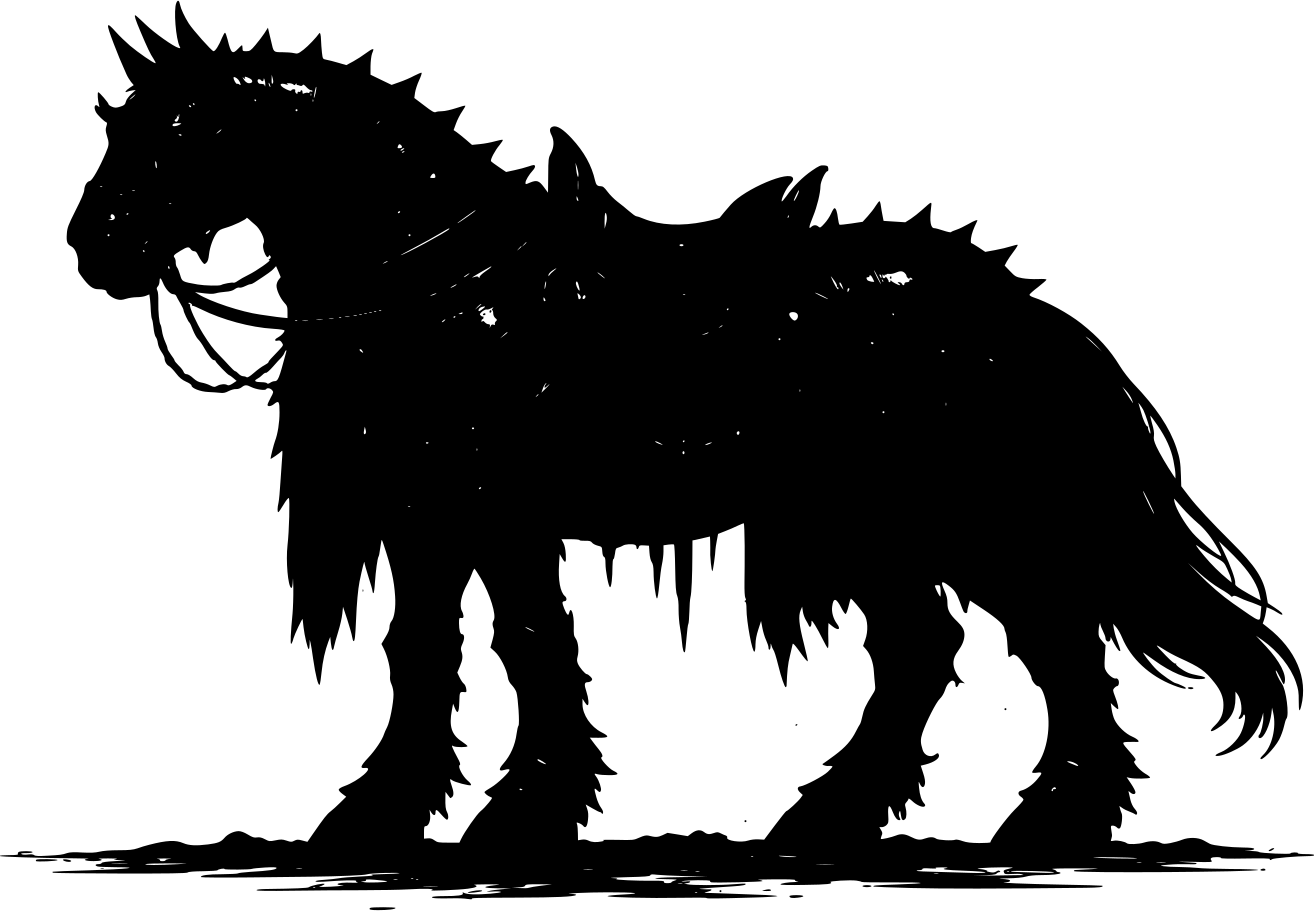
Armored Warhorse
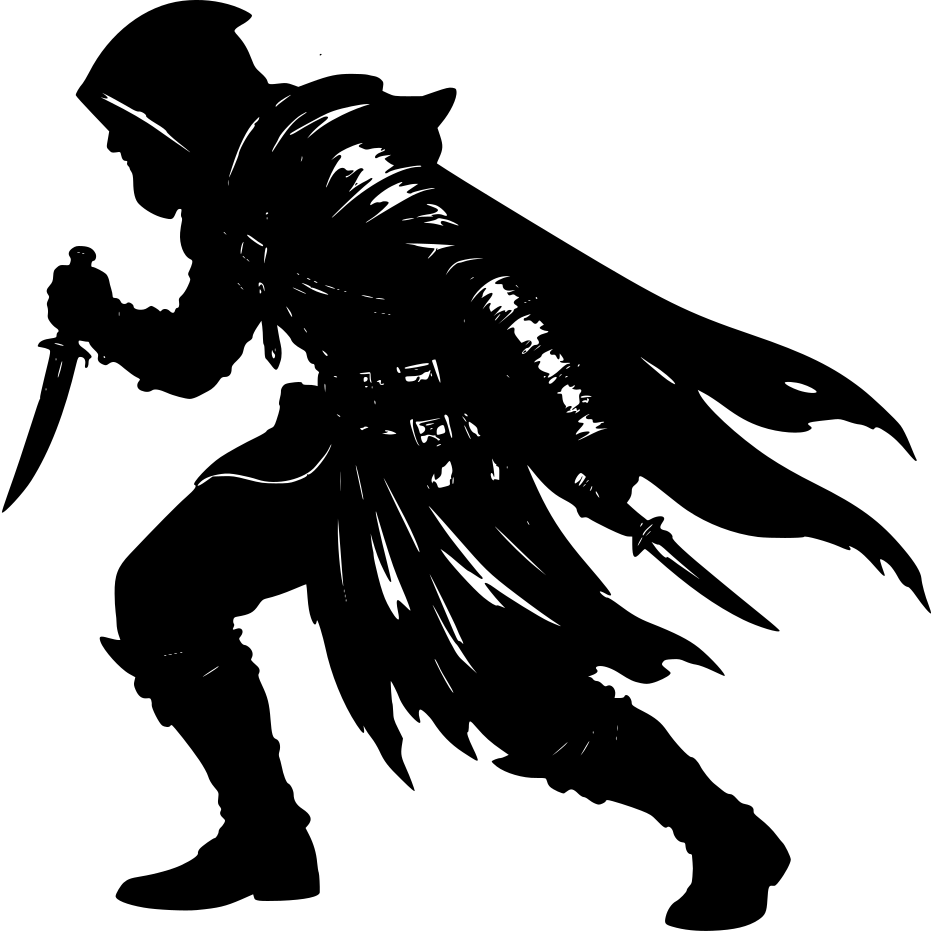
Assassin
Banshee
Berserker
Cat People
Cavalry
Cave Beetle Mount
Centaur
Centaur Variant
Chimera
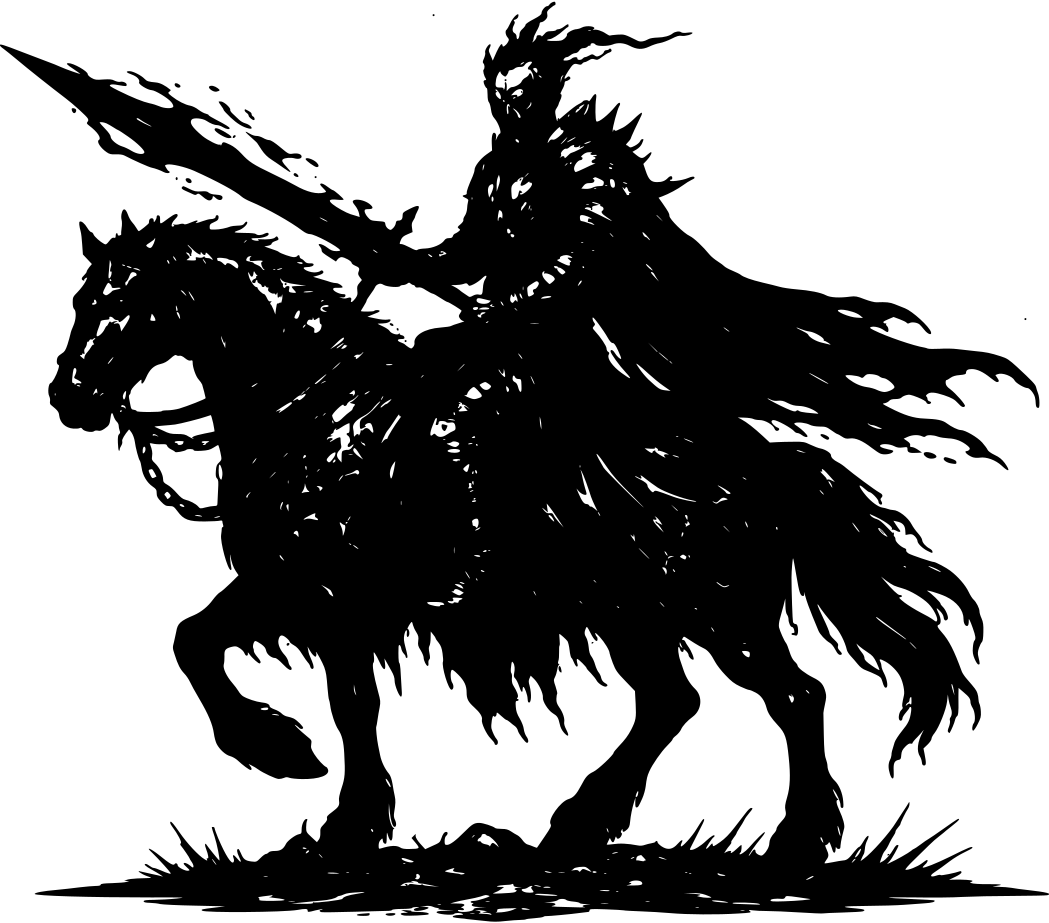
Cursed Knight
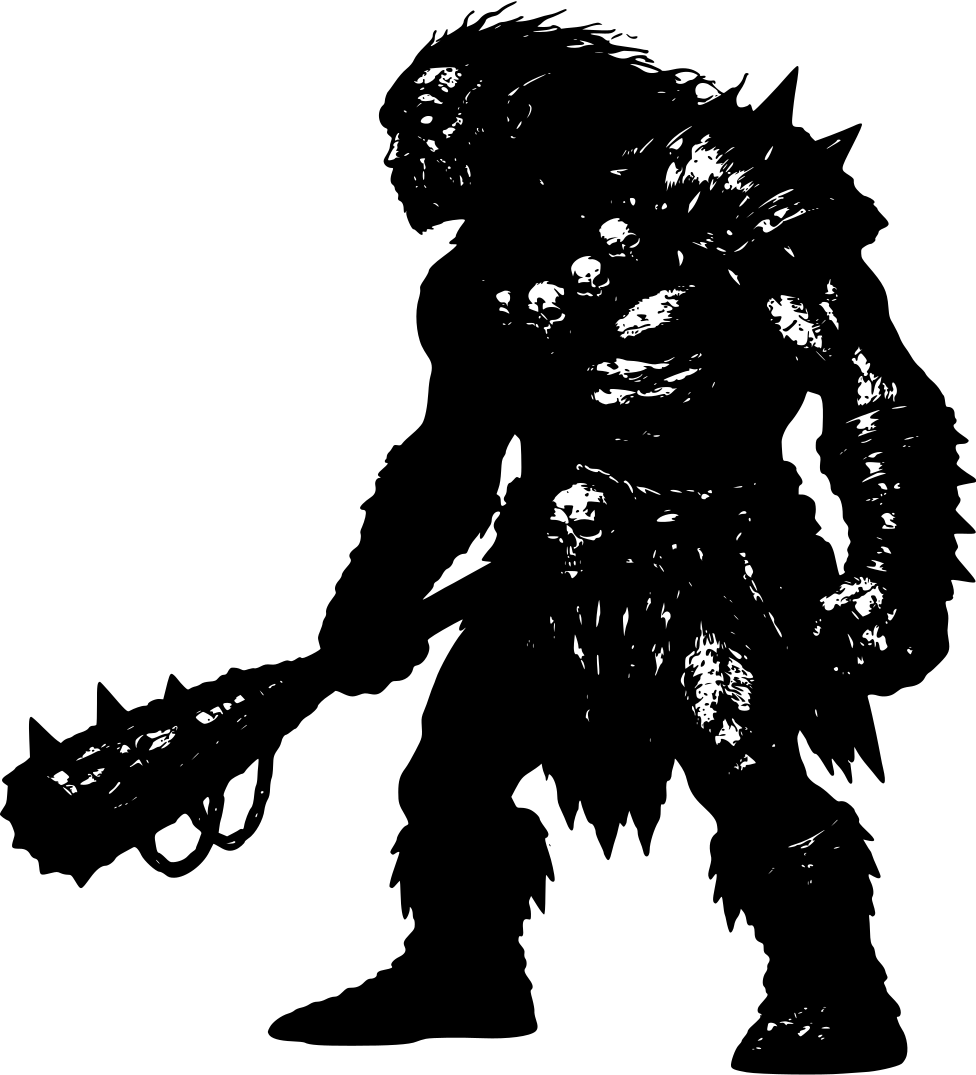
Cyclops
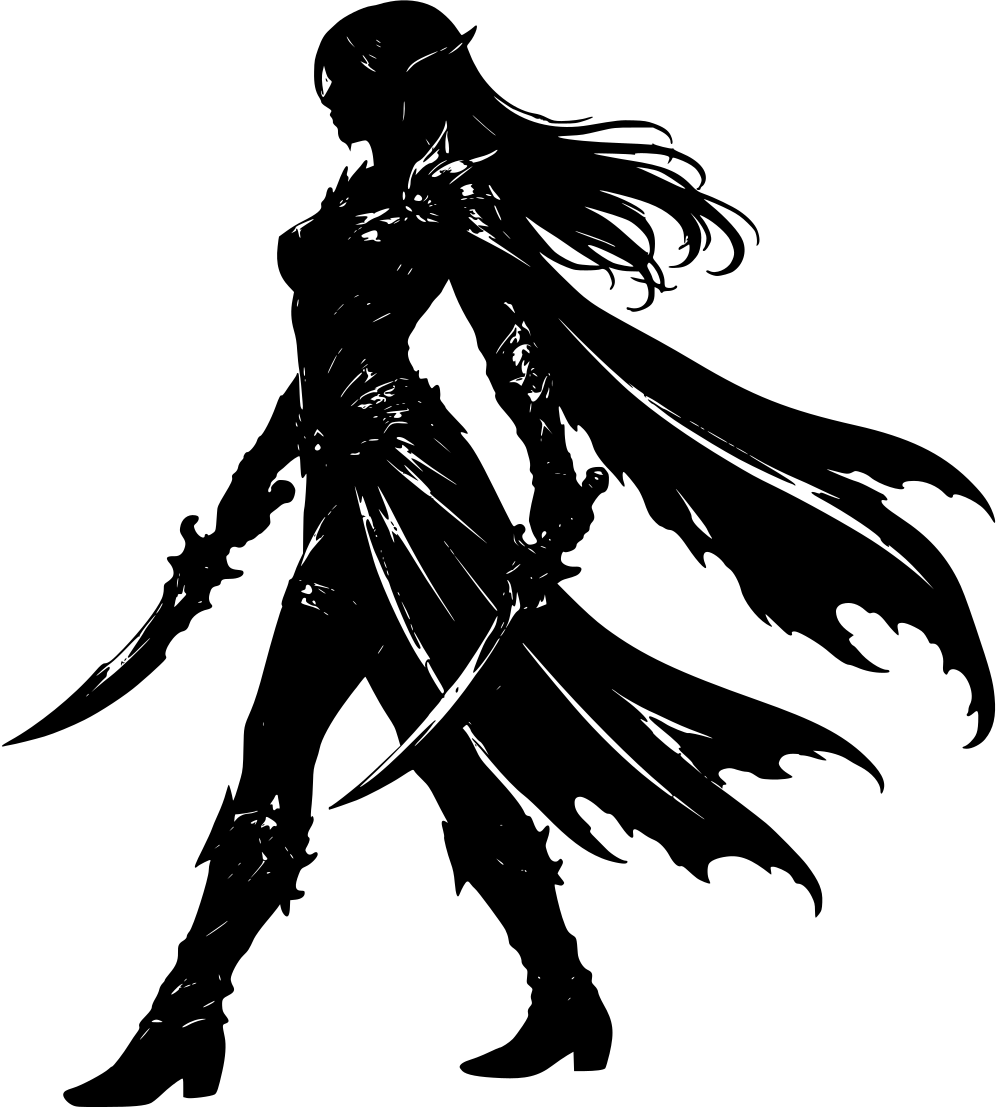
Dark Elf
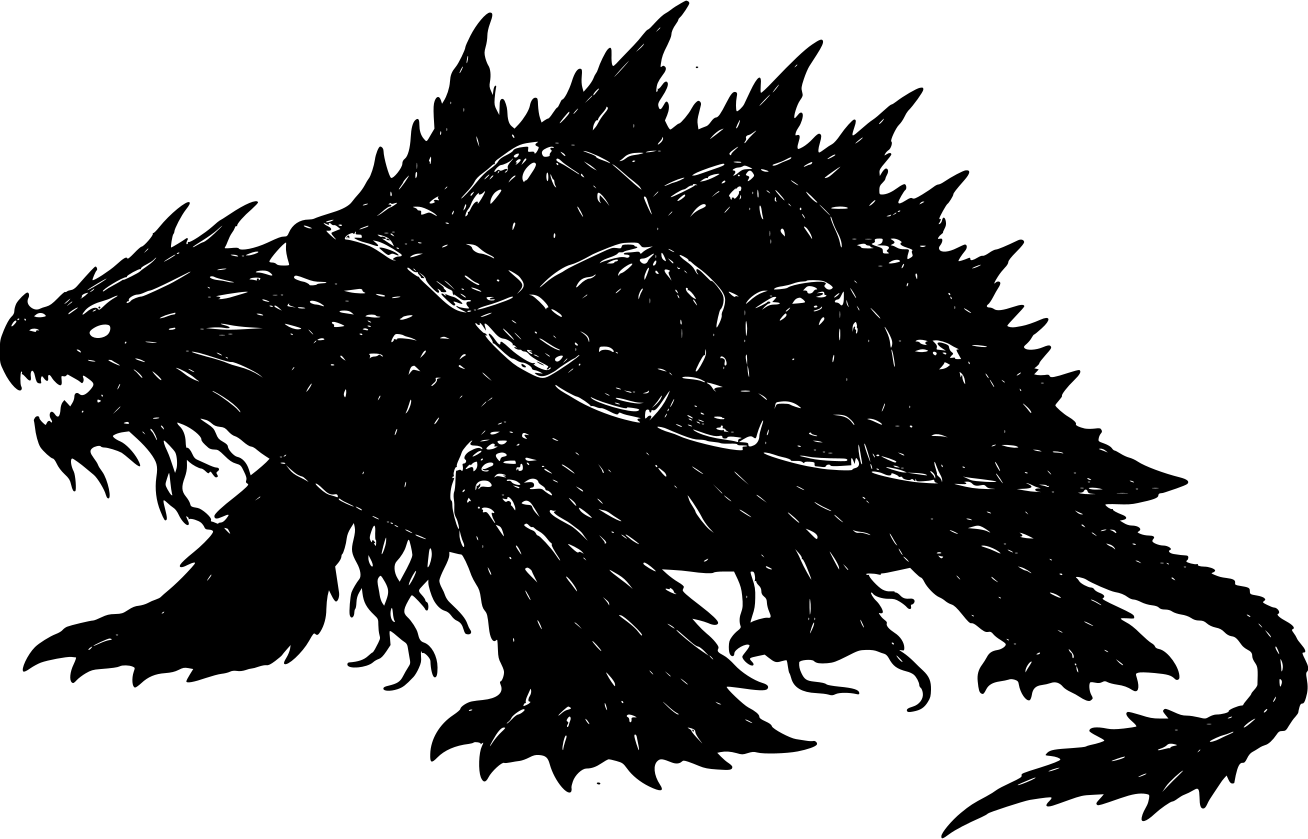
Deep Sea Dragon Turtle
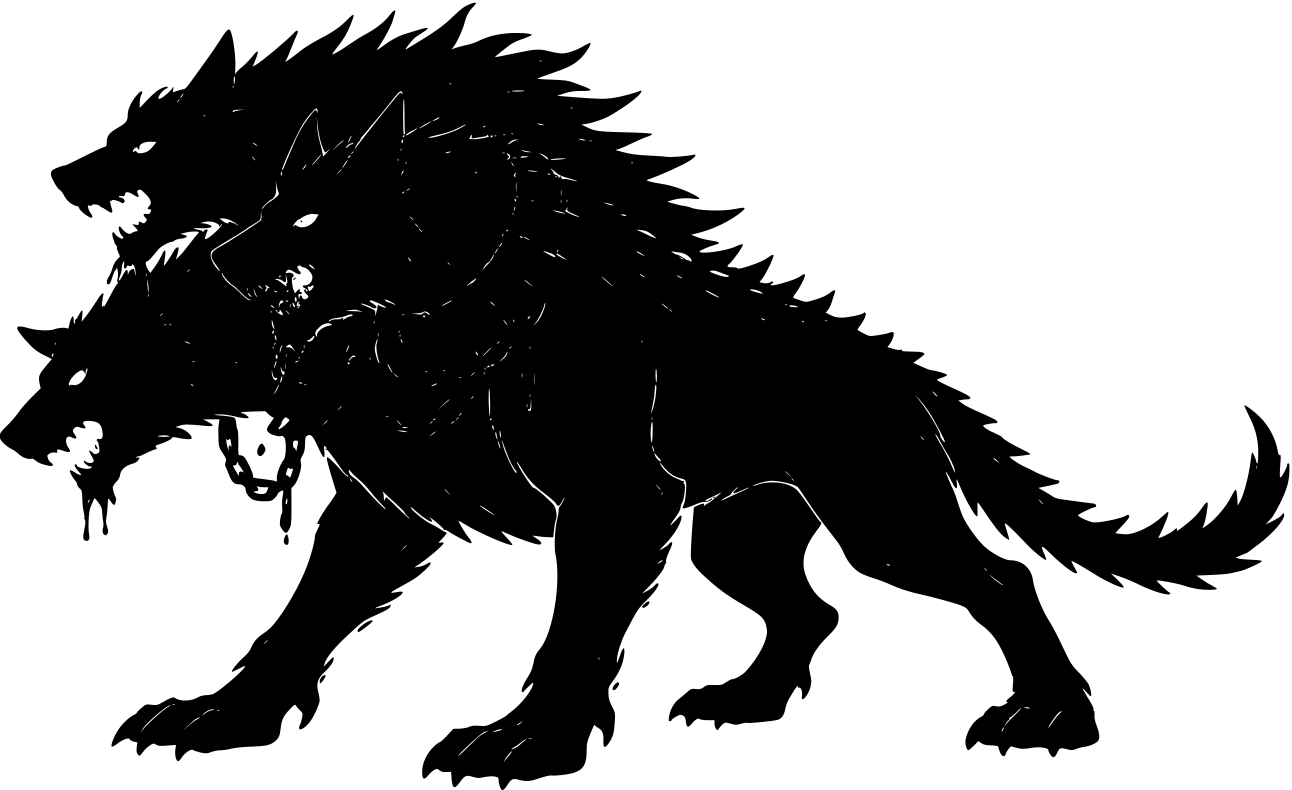
Demon Dog
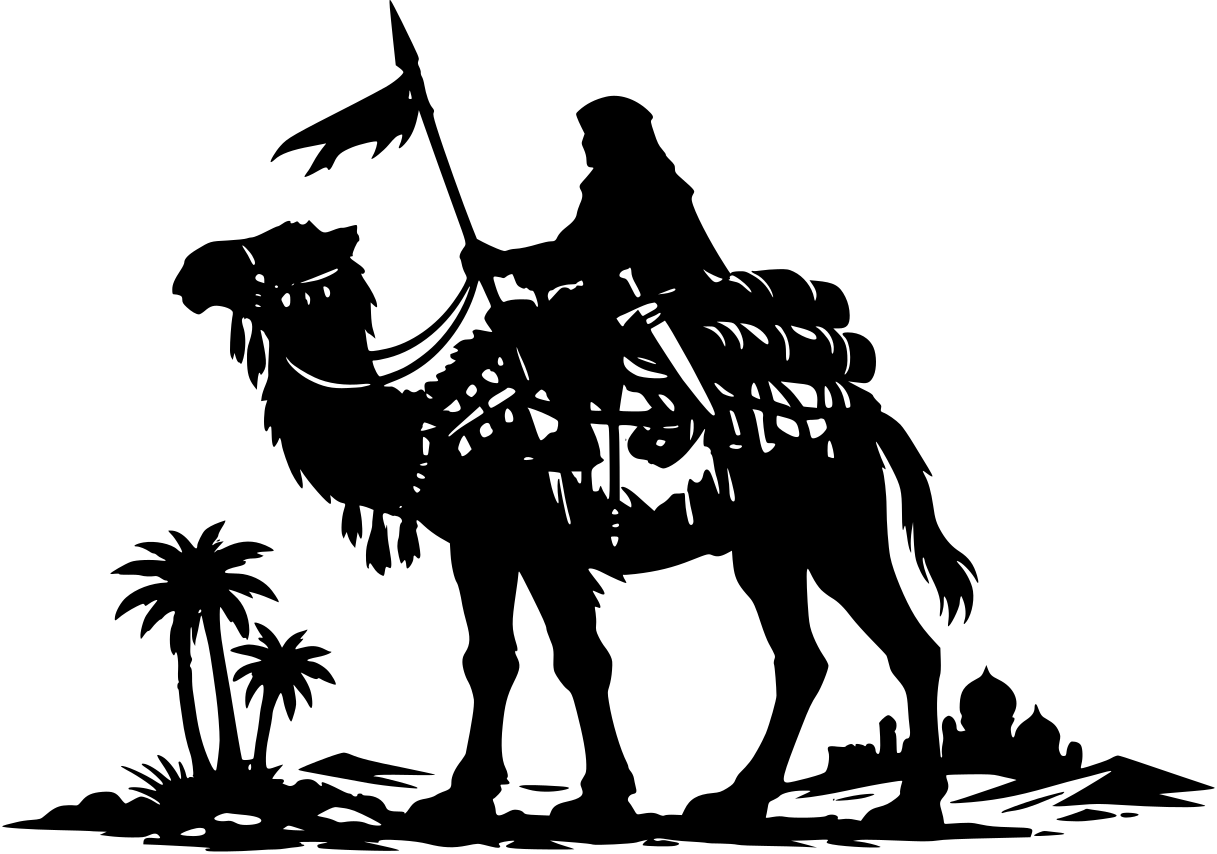
Desert Camel Beast
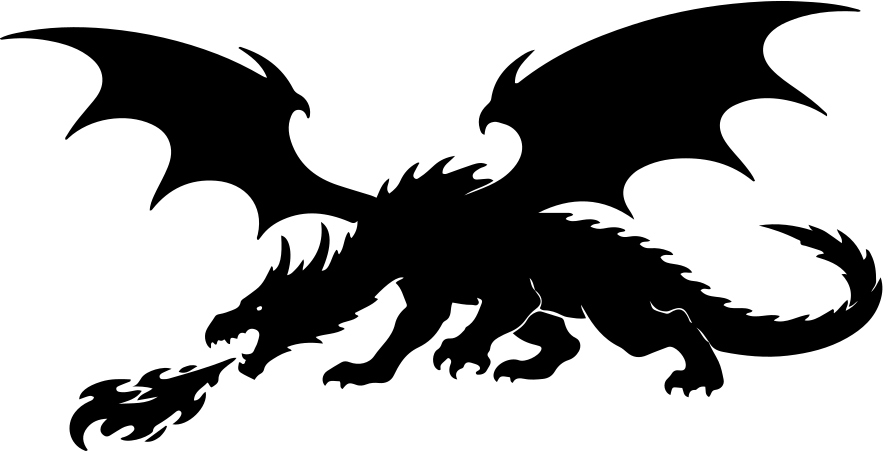
Dragon 1
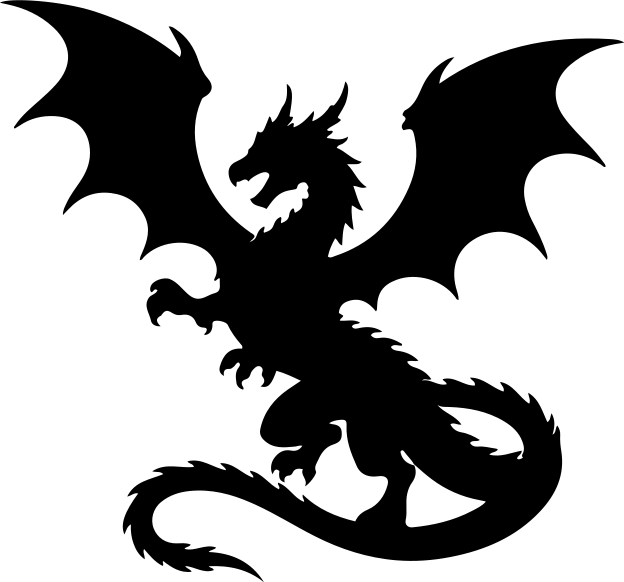
Dragon 2
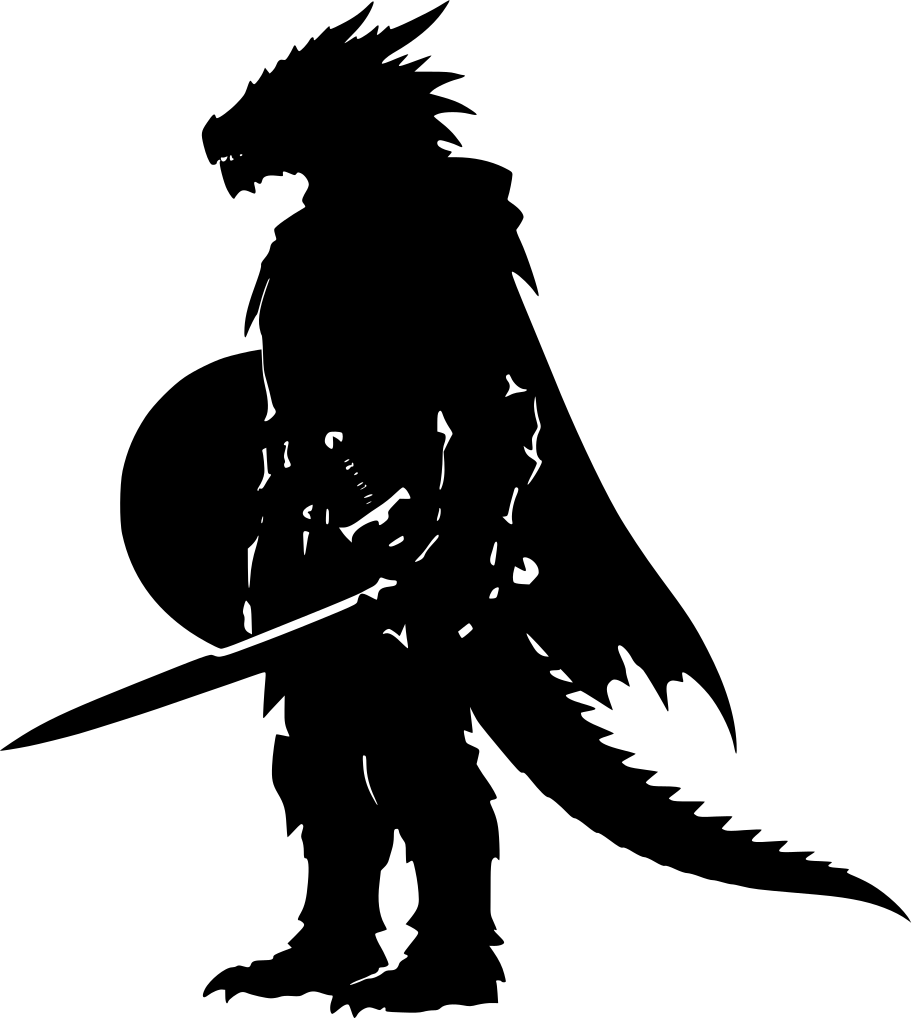
Dragonborn Warrior
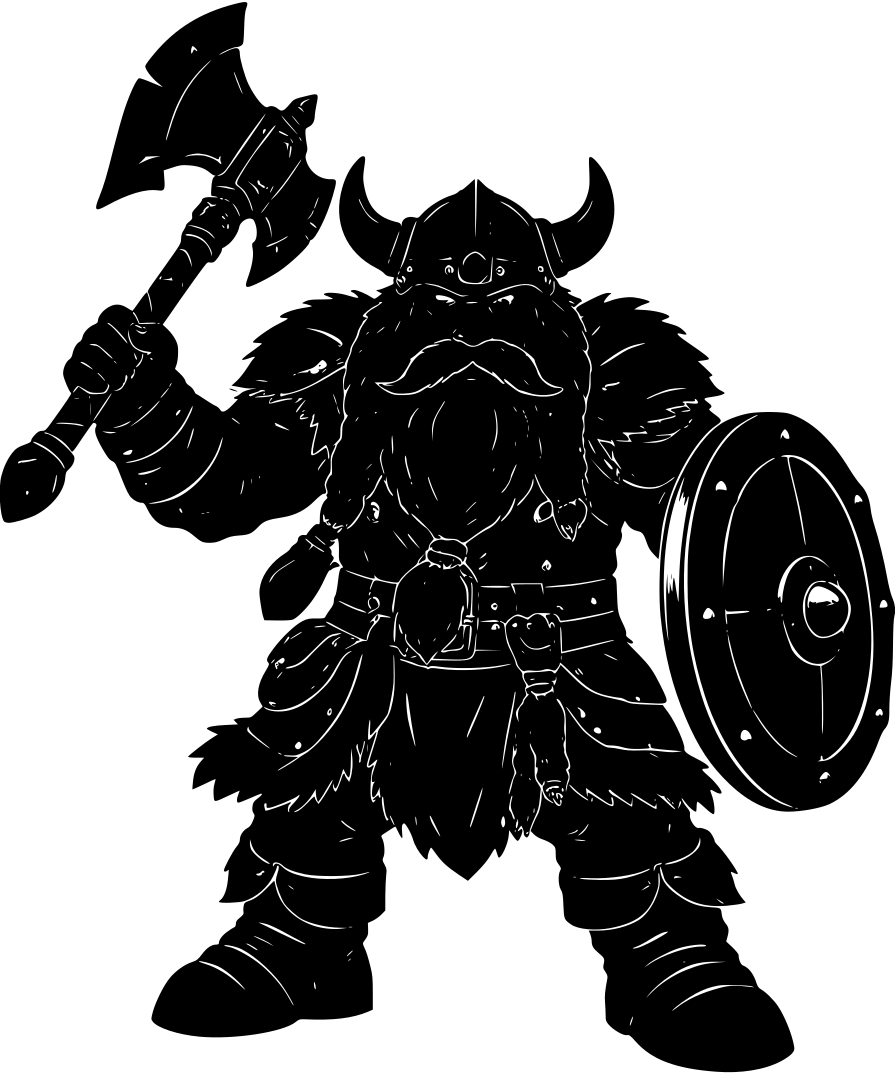
Dwarf
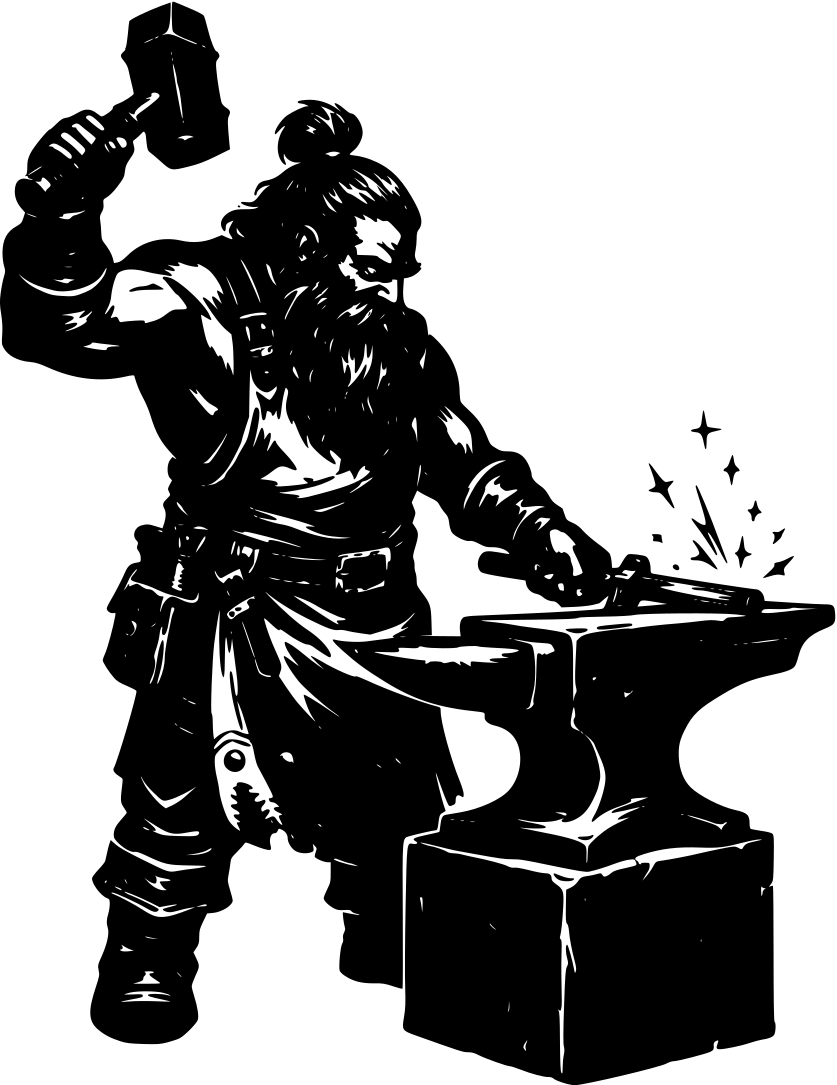
Dwarf Blacksmith
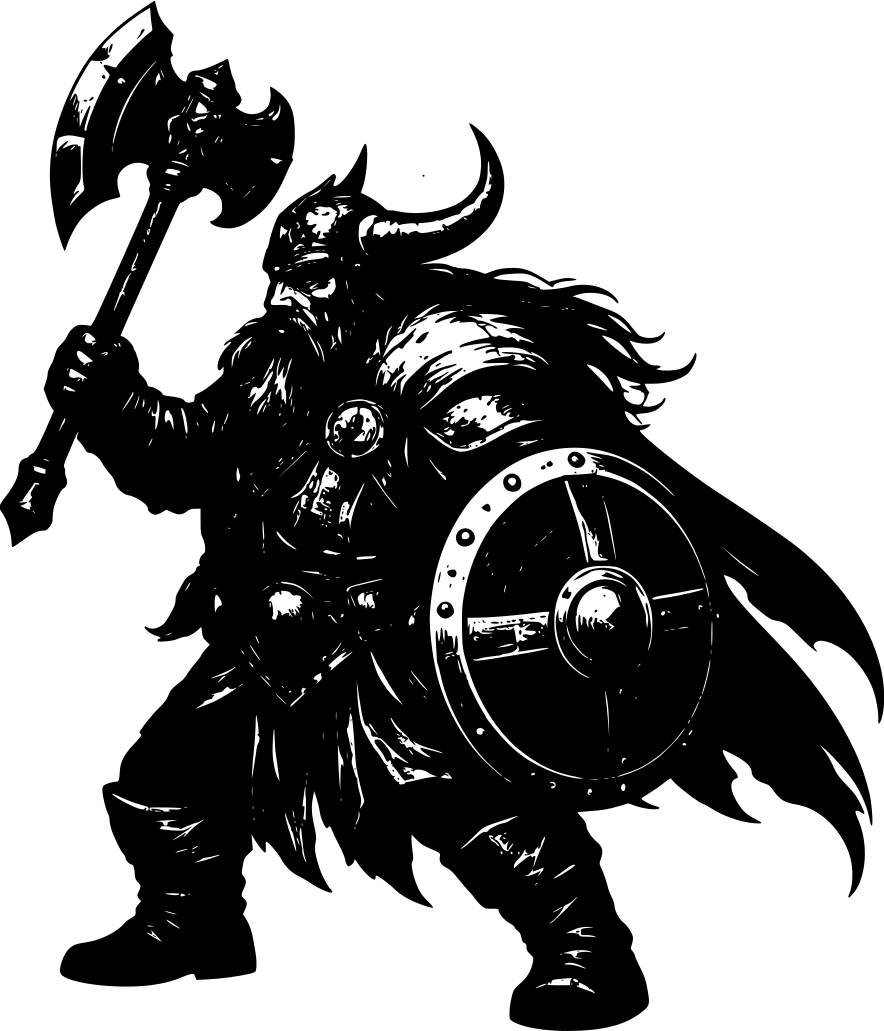
Dwarf Warrior

Elf
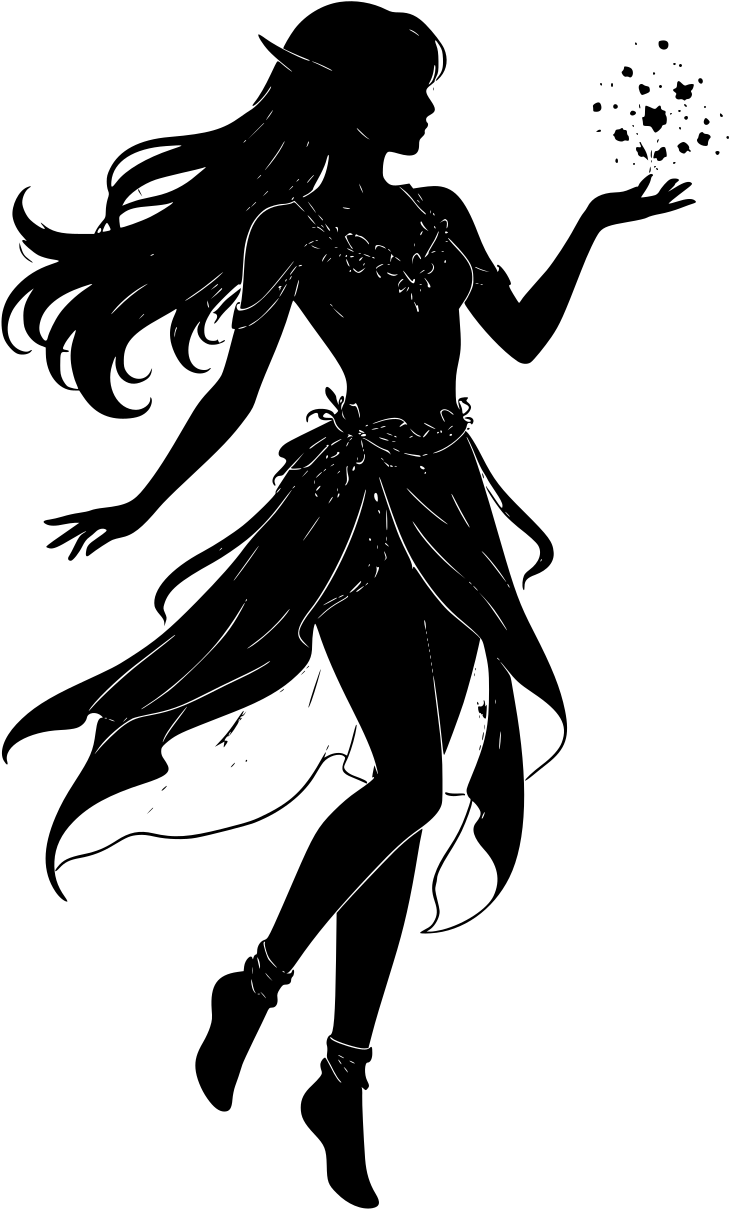
Elf 2
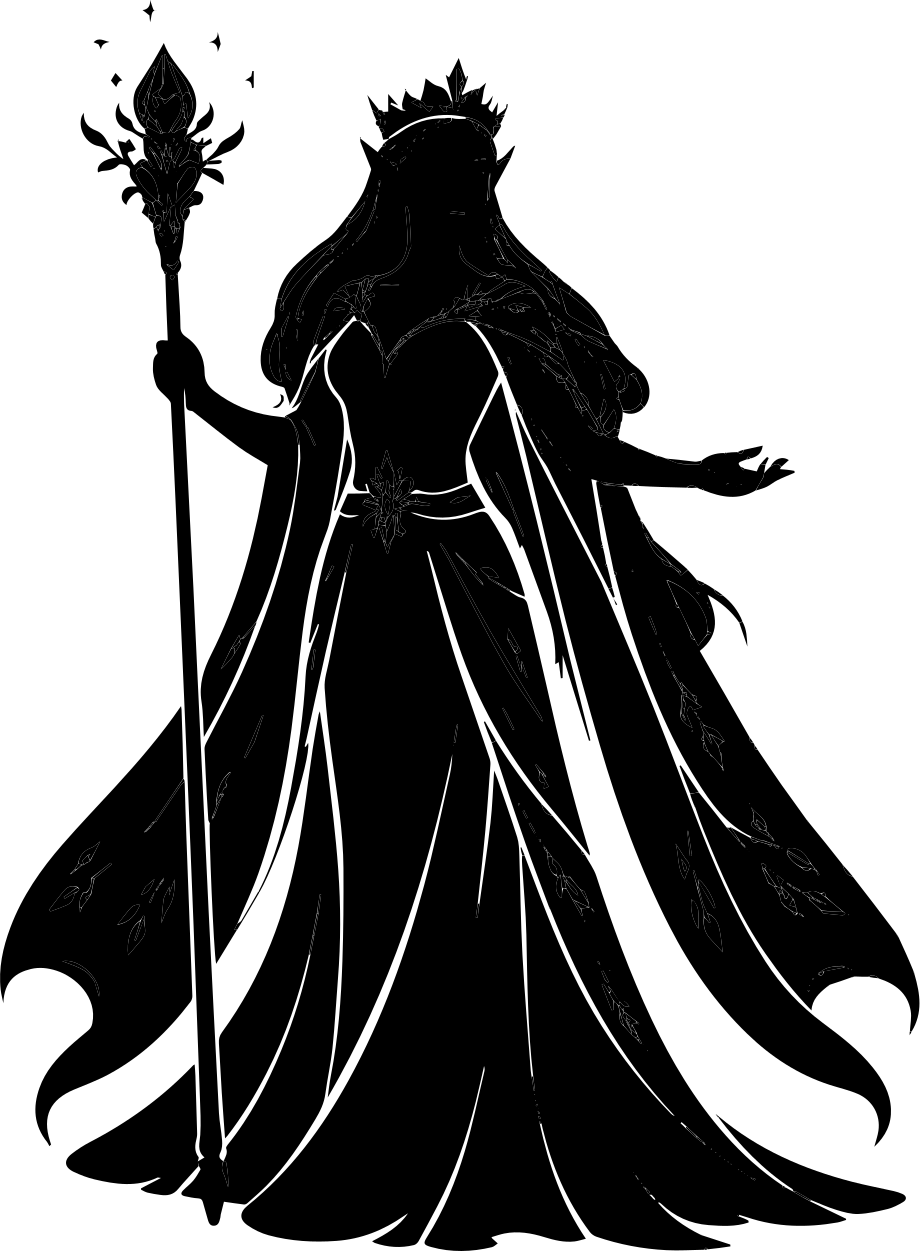
Elf Queen
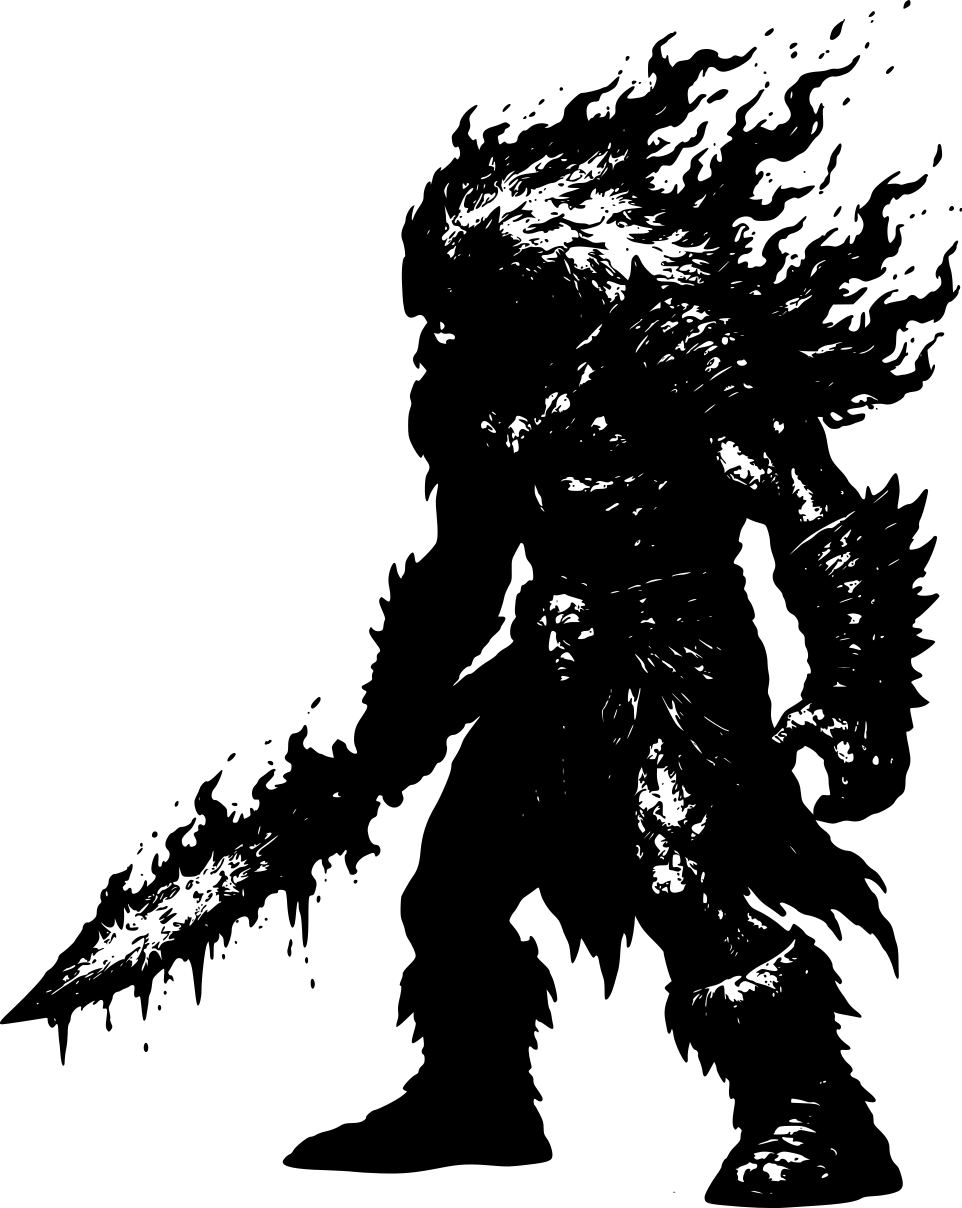
Fire Giant
Popular काल्पनिक पात्र Comparisons
Compare these figures side-by-side with mathematically aligned scale.
Amitabh Bachchan vs Aamir Khan
Compare the dramatic height difference between Indian cinema legend Amitabh Bachchan (188 cm / 6'2") and Aamir Khan (165 cm / 5'5") on a shared floor baseline.
Dwayne Johnson vs Horse
Visual comparison between Dwayne "The Rock" Johnson (196 cm / 6'5") and a standard riding horse (160 cm at withers).
Average Adult Male vs Elephant
Compare a massive African bush elephant (320 cm shoulder height) with an average adult human (176 cm). Experience true megafauna proportions on scale.
Average Adult Male vs Sedan / Hatchback Car
Visual height comparison between an average adult human (176 cm) and a standard passenger sedan/crossover car (150 cm roofline).
Average Adult Male vs Dog
See how an average adult human (176 cm) compares visually to a standard domestic dog (60 cm withers) on a shared floor baseline with accurate proportions.
Average Adult Male vs Standard Door
Compare an average adult human (176 cm / 5'9") against a standard interior residential door frame (210 cm / 6'11") on a true architectural baseline.
Explore Related Categories
Discover complementary categories to expand your height perspective.
काल्पनिक पात्र Height Comparison FAQ
Common questions and reference measurement data.
Why does the same character have different heights in different movies?
Because filmmakers rescale creatures to fit the story they are telling, not to match a previous film's ruler. The original King Kong was built at 18 feet on Skull Island and rescaled to 24 feet once he reached New York, because he needed to look bigger against the city. Decades later, Kong was set at 104 feet in Skull Island (2017) so he could eventually stand against a Godzilla of over 100 metres. Neither figure is a mistake: each is the official height for its own version, which is why this page always names the version next to the number.
Are tabletop rulebook heights exact measurements?
No, they are averages for a creature type, and the rulebooks say so. The Dungeons and Dragons Monster Manual tradition describes a hill giant as standing around 16 feet and a storm giant around 26 feet, with individual giants varying above and below those figures. That is a feature, not a flaw: a game master needs a typical giant for an encounter, not a census of every giant in the world. When you compare a rulebook giant with a human, read the result as "a typical specimen of this kind", not as a specific named individual.
Why are Star Wars heights so precise?
Because Lucasfilm's official Databank publishes single metric figures for its characters, such as Yoda at 0.66 m, Darth Vader at 2.03 m in armor, and Chewbacca at 2.28 m. Those numbers come from production and continuity records rather than from prose descriptions, so they behave more like real-world measurements than like literary estimates. The trade-off is that the figure describes the character as officially catalogued, which can differ from the actor's own height: the performer inside the costume is not always the same height as the character on paper.
Can I compare a kaiju with a human on the same canvas?
Yes, and the result is the point: Godzilla at 108 metres beside a 175 cm human makes the scale gap instantly obvious in a way that reading "108 metres" never does. The canvas fits everything to one shared baseline, so the human becomes a thin line at the bottom of the frame and the kaiju towers over it. For very large creatures it helps to add a familiar landmark as a middle step, such as a building or a tall animal, so the eye has something to travel up before it reaches the top of the monster.